


Greece has more than 200 inhabited islands, but not all are equal when it comes to broad sandy beaches, turquoise water and dramatic coastlines. Some excel at long, family friendly strands with shallow seas, others at hidden coves reached by ladder or boat, and a few balance wild scenery with polished beach clubs. This guide compares Milos, Naxos, Crete, Lefkada, Zakynthos, Kefalonia, Skiathos and a handful of honorable mentions so you can match your beach priorities, budget and travel style to the right island.
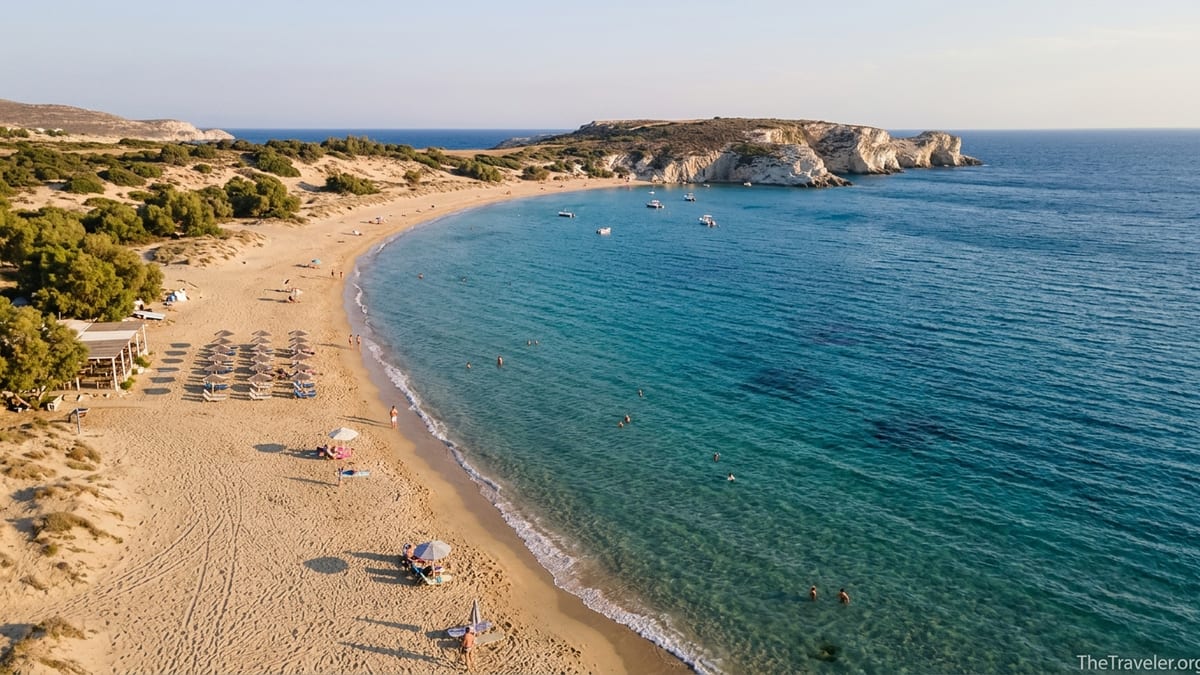
How to Choose the Right Greek Island for Beaches
Before you fall in love with a single drone shot on social media, it helps to decide what “best beach” actually means for your trip. If you are traveling with young children or weaker swimmers, you will value long, shallow sandy shorelines and easy access by bus or car. Couples and photographers may care more about water color and dramatic cliffs, even if that means a scramble or boat ride. Night owls might prefer islands where organized sections with sunbeds, beach bars and music are the norm rather than the exception.
Budget and logistics matter too. Some islands, like Naxos and Milos, are well served by ferries from Piraeus and nearby Cycladic islands, which keeps transport costs manageable. Others, such as Kefalonia and Zakynthos in the Ionian Sea, are easiest by seasonal direct flights from European cities, which can spike in price in July and August. Car rental is often essential if you want to hop between remote coves, especially on larger islands like Crete or hilly Lefkada.
Finally, think about how much structure you want around your beach days. Beach clubs with full-service sunbeds on Naxos’s Agios Prokopios or Skiathos’s Koukounaries offer shade, drinks and food for a per-day fee, which in high season can range from modest for back rows to premium prices for front-row sets. By contrast, places like Milos’s Tsigrado or some of Kefalonia’s pebble coves offer no services at all. The trade-off is solitude and wild scenery instead of cocktails and playlists.
Milos: Volcanic Coastlines and Snorkeling Coves
Milos has quietly become a favorite among beach-focused travelers who prioritize variety and unique geology over a single famous bay. This volcanic island in the western Cyclades has dozens of accessible beaches plus many more tiny coves, ranging from smooth white rock platforms at Sarakiniko to classic sandy crescents like Firiplaka. For many visitors, Milos feels like the sweet spot between wild and comfortable, where you can spend one day at a lively organized beach and the next at a remote cove reached only by boat.
Sarakiniko, on the north coast, is Milos’s most photographed shoreline, with bright white volcanic rock sculpted into curves and inlets above vivid turquoise water. There is only a small strip of sand but plenty of flat rock for sunbathing and cliff jumping. Families often prefer Firiplaka on the south coast, a long sandy beach backed by red and yellow cliffs where shallow, clear water makes wading and swimming easy. A basic beach bar usually operates in season with sunbeds and umbrellas, while one end of the shore stays free for those bringing their own towels and shade.
For adventure and snorkeling, Tsigrado is one of the most memorable coves in Greece. Access is via a short but steep descent using ladders and ropes between cliffs down to fine sand and glassy water, so it is not suitable for anyone with mobility issues or for small children. Many visitors choose to see Tsigrado and the nearby sea caves of Kleftiko as part of a south-coast boat excursion, which typically includes multiple swim stops, snorkeling gear and a simple lunch on board. These trips are a practical way to reach coves without road access while also understanding how winds affect sea conditions on any given day.
Practical considerations on Milos include transport and wind. The port town of Adamas has regular buses in summer to Sarakiniko, Firiplaka, Tsigrado and other main beaches, and one-way tickets are typically just a few euros paid in cash. That said, if you want full flexibility, particularly outside July and August when services thin out, renting a small car or ATV is recommended. Milos is also exposed to the strong summer Meltemi wind that usually blows from the north, making south-coast beaches like Firiplaka, Paleochori and Provatas calmer and more swimmable on blustery days, while Sarakiniko and other northern spots can turn choppy.
Naxos: Long Sandy Strands and Easy Beach Living
Naxos is one of the best all-round islands in Greece for travelers who want proper sandy beaches, shallow turquoise seas and straightforward logistics. As the largest of the Cyclades, it has a main town, Chora, with frequent ferries from Athens and neighboring islands plus a small airport with domestic flights. The standout feature for beach lovers is a chain of west-coast beaches running from Agios Georgios just south of town through Agios Prokopios, Agia Anna and Plaka, creating nearly continuous sand for several kilometers.
Agios Prokopios is often named among the top beaches in Greece, combining wide golden sand with crystal-clear water that deepens gradually, which is ideal for children and casual swimmers. In summer a series of organized sections offers sunbeds, umbrellas, showers and service from nearby tavernas, while unserviced patches remain for those who prefer their own setup. Behind the beach, low-key bars and small hotels make it easy to stay within a short walk of the sea without needing a car.
Further down the coast, Plaka has a more relaxed vibe, with dunes and scattered beach clubs separated by long stretches of free sand. Accommodation here ranges from simple studios set a short walk from the water to higher-end boutique hotels with sea views and small pools. Even in high season it is relatively easy to find a quieter pocket if you are willing to walk five or ten minutes away from a parking area or bus stop. For travelers who want to combine a few days of sightseeing in Chora and mountain villages with largely car-free beach time, basing in Agios Prokopios or Plaka works exceptionally well.
Snorkeling on Naxos is modest compared to rockier islands like Milos or Kefalonia, but there are rocky outcrops and small reefs at the ends of many beaches where you can see fish in calm conditions. Water sports such as windsurfing and kitesurfing are popular on slightly windier beaches like Mikri Vigla, where local centers rent boards and offer lessons. Regular buses run from Naxos Town down the beach strip in summer, so you can easily sample a new spot each day and still return to a central base for dinner.
Crete: Big Island Choice From Family Bays to Wild Gorges
Crete is Greece’s largest island and offers perhaps the widest range of beaches, from soft-sand family favorites near the main towns to remote coves at the end of hiking trails. Because distances are long and public transport slower than on compact islands, beach lovers who come to Crete usually choose one or two base regions and rent a car. The north coast around Chania and Rethymno offers easy-access sandy beaches close to tavernas and hotels, while the southwest and far west reward more effort with famous spots such as Elafonisi and Balos.
On the western end of Crete, Elafonisi is known for its pink-tinged sand, shallow lagoon and striking turquoise water that draws families and photographers alike. At peak times organized sections with sunbeds and umbrellas fill quickly, and parking areas can be busy, so arriving earlier in the morning or later in the afternoon helps. Another headline destination is Balos, a lagoon framed by a peninsula and rocky islets with bright aquamarine water. Access is via a rough road and a walk down a rocky path, or by organized boat excursions from nearby ports that are popular for those who do not want to drive.
For travelers based around Chania who want something simpler, beaches like Agia Marina, Platanias and Marathi offer broad sandy strands with calm water, lifeguards in season and a full set of conveniences. On the south coast, places such as Sougia, Paleochora and the coves near the exit of the Samaria Gorge have clearer water and fewer crowds, although reaching them usually involves longer drives and, in some cases, small ferries between villages. Snorkeling is better along rockier stretches of coast, where visibility is often excellent.
The main trade-off with Crete is that its scale makes it harder to sample many famous beaches in a short stay. Driving from Chania to Elafonisi, for example, can take around 90 minutes each way, while combining Balos, Elafonisi and south-coast coves in just a couple of days can leave you spending much of your holiday in the car. For a beach-focused first visit, base near Chania or Kissamos, visit one or two of the big-name lagoons with an early start and then enjoy quieter, closer beaches on alternate days.
Lefkada, Zakynthos and Kefalonia: Epic Cliffs and Turquoise Ionian Seas
On the west side of mainland Greece, the Ionian Islands of Lefkada, Zakynthos and Kefalonia offer some of the country’s most dramatic coastal scenery. Here white cliffs plunge into incredibly turquoise water, especially on the west coasts of Lefkada and Kefalonia. The trade-off is that many of the most photographed beaches have steep staircases or winding roads, and stronger swell can make swimming more challenging than in the more sheltered Aegean.
Lefkada’s Porto Katsiki and Egremni are the classic examples, with tall limestone cliffs towering above bright white shingle and deep blue seas. Reaching them typically involves a significant staircase from the clifftop parking areas, so they suit reasonably fit visitors and older children rather than families with toddlers or anyone with mobility difficulties. In high season a handful of sunbed rows and beach kiosks appear, but facilities remain limited compared to organized resort beaches. The reward is color that looks almost unreal on sunny days, especially in late afternoon when the sun brushes the cliff faces.
Zakynthos is famous worldwide for Navagio, or Shipwreck Beach, where an old freight vessel lies on bright sand in a small cove framed by cliffs. Access has been restricted in recent years due to landslide risk, so visitors typically experience Navagio from clifftop viewpoints or by boat trips that remain offshore, with swimming stops in nearby bays instead of on the beach itself. Around the rest of the island, beaches like Gerakas in the south offer softer sand and shallower water, while the rocky coastline on the west and north provides clear seas and caves that suit snorkeling boat excursions.
Kefalonia’s poster child is Myrtos, another crescent of white pebbles at the base of high cliffs on the northwest coast. A steep but paved road winds down to a parking area, from which you walk onto the beach. There may be a small organized section in season, but most people bring their own shade. The water here shifts from turquoise near the shore to a deeper blue further out, and on calm days it is excellent for swimming and snorkeling along the rocky edges. More relaxed sandy options on Kefalonia include Makris Gialos near the main town of Argostoli, which combines golden sand, beach bars and sunbeds with easy road access.
In practical terms the Ionian Islands are well suited to travelers happy to rent a car and handle mountain roads. Drive times between beaches can be 30 to 60 minutes along winding coastal routes, but the payoff is being able to seek out both headline-grabbing viewpoints and small, unnamed coves where the water is just as clear. Because seas here can be exposed to swell, paying attention to local forecasts and heeding lifeguard advice is important, especially for weaker swimmers.
Skiathos and the Sporades: Pine Forests and Golden Sand
On the opposite side of mainland Greece in the northwest Aegean, Skiathos is part of the Sporades group and is renowned for its combination of pine forests and wide sandy beaches. It is a good choice for travelers who want soft sand and clear water in a relatively compact island with a lively main town. There is an airport with seasonal flights from European hubs as well as ferries to neighboring Skopelos and Alonissos, making it possible to combine multiple islands in one trip.
Koukounaries on the southwest coast is often cited as Skiathos’s signature beach, set beneath a thick pine forest with a long curve of fine sand and shallow, calm water. In high season it becomes one of the busiest strands on the island, with multiple beach bars, water sports centers and rows of sunbeds and umbrellas. Despite the popularity, the setting remains beautiful, and the pines provide natural shade at the back of the sand for those who prefer to spread a towel away from the organized sections.
For a slightly quieter vibe, beaches like Agia Eleni and Banana lie a short drive or bus ride away, with similar golden sand and clear seas but fewer crowds outside peak weeks. On the north coast, more exposed beaches attract those looking for waves and wilder scenery, though they are more easily reached with a rental car. Snorkeling around Skiathos tends to be modest but pleasant, with small fish and rocky patches near the headlands.
Skiathos suits visitors who like to mix relaxed beach days with evenings in a lively harbor town. Skiathos Town has a pedestrianized center full of tavernas, cocktail bars and small shops, and frequent buses connect it with the main beaches, so it is feasible to visit without a car if you are comfortable with summer bus schedules and some short walks. Because the island is smaller than Crete or Kefalonia, you can sample several different beaches in a three or four day stay without long drives.
Snorkeling, Beach Clubs, Crowds and Accessibility Compared
When you line up these islands side by side, clear patterns emerge that can help narrow your choices. For snorkeling and swim-through caves, Milos stands out, especially around Kleftiko and the south coast, where boat trips often provide masks and fins so even beginners can enjoy the underwater arches and fish. Kefalonia and parts of Zakynthos also offer excellent visibility and rockier shorelines that support marine life, particularly in less developed bays away from large resorts.
If organized beach clubs are a priority, Naxos, Skiathos and the busier parts of Crete have the most consistent offerings. On Naxos’s Agios Prokopios and Agia Anna, for example, long rows of umbrellas line the shore in July and August, and packages typically include sunbeds, shade and waiter service from the adjacent bar or restaurant. Prices for a pair of beds and an umbrella vary by location and row from the sea, with premium front-row sets costing more. Crete’s resort areas near Chania and Rethymno offer a similar model, along with water sports and lifeguards.
Those who prefer quieter, more natural settings tend to gravitate toward Milos, parts of Kefalonia and the wilder corners of Lefkada. On Milos, coves such as Tsigrado are entirely unorganized, while even popular Firiplaka retains sizeable free sections. On Kefalonia, you can find tiny coves with just a handful of people even in high season if you drive a little beyond the main names. The trade-off is carrying your own shade and supplies and accepting that there may be no showers or toilets.
Accessibility is easiest on Naxos and Skiathos, where frequent summer buses connect main towns with major beaches and roads are generally straightforward. Milos and Crete have decent bus networks to headline spots but still reward those with a rental car or ATV, particularly outside the peak weeks of July and August. Lefkada, Zakynthos and Kefalonia almost require car rental for beach-hopping, given the distances and terrain. In all cases, if you are visiting during the very busiest weeks, starting your beach days early not only beats the heat but also avoids the parking pressure and crowds that build quickly by late morning.
The Takeaway
No single Greek island can claim the absolute “best” beaches for every traveler, but each of the major options has a clear personality. Milos is ideal if you dream of snorkeling in caves, scrambling over white rock and discovering a different cove every day. Naxos excels at easy, sandy, family-friendly beach living with enough infrastructure to keep logistics simple. Crete offers a bit of everything on a grand scale, from pink sand lagoons to quiet village bays, provided you are comfortable with driving.
If your imagination is captured by white cliffs and surreal turquoise seas, the Ionian trio of Lefkada, Zakynthos and Kefalonia delivers those postcard views, with the understanding that many headline beaches are reached by steep roads or staircases and can have stronger waves. Skiathos rounds out the list for those who want pine-fringed golden sand in a compact island with plenty of nightlife and beach clubs. With your own priorities in mind, you can use these differences to build an itinerary that spends less time chasing a single famous cove and more time actually swimming, relaxing and enjoying the Greek summer.
FAQ
Q1. Which Greek island is best overall for sandy, swimmable beaches?
Naxos is one of the strongest all-round choices, thanks to its long west-coast strand of Agios Georgios, Agios Prokopios, Agia Anna and Plaka, all with soft sand, clear water and a mix of organized and free sections, plus good bus connections from the main town.
Q2. Where should I go if I want spectacular turquoise water and dramatic cliffs?
Lefkada, Zakynthos and Kefalonia in the Ionian Sea are the standouts for high cliffs and intense blue water, with beaches such as Porto Katsiki and Egremni on Lefkada, Navagio on Zakynthos and Myrtos on Kefalonia offering some of the most dramatic coastal scenery in Greece.
Q3. Which island is best for snorkeling and boat-access coves?
Milos is particularly good for snorkeling, especially around Kleftiko and the south coast, where boat trips take you to caves and coves with very clear water, while parts of Kefalonia and Zakynthos also offer excellent conditions around rocky shorelines away from large resorts.
Q4. I am traveling with young children. Which islands are most family friendly for beaches?
Naxos and Crete are especially family friendly, offering plenty of wide, shallow sandy beaches with gentle entry, lifeguards in season and nearby tavernas, such as Agios Prokopios on Naxos or resort beaches near Chania on Crete, plus relatively easy access by road or bus.
Q5. Are the famous beaches like Navagio on Zakynthos currently open for swimming?
Access policies at Navagio and similar cliff-backed beaches can change due to safety concerns, and in recent years visitors have often been restricted to viewing Navagio from boats offshore or from the clifftop lookout rather than landing on the sand, so it is wise to check the latest local guidance before planning specifically around a visit.
Q6. Do I need to rent a car to enjoy the beaches on these islands?
On compact islands like Naxos and Skiathos you can reach many major beaches by frequent summer buses and short walks, but on larger or hillier islands such as Crete, Lefkada, Zakynthos and Kefalonia, renting a car is strongly recommended if you want to explore more than one or two nearby strands.
Q7. Which islands have the best beach clubs and organized sunbed areas?
Naxos, Skiathos and the resort stretches of Crete have the most consistent choice of organized sections with sunbeds, umbrellas, showers and beach bars, while Milos and the wilder parts of the Ionian islands offer a mix of partially organized beaches and completely natural coves with no services.
Q8. When is the best time of year to visit Greek islands for beaches?
For warm sea temperatures and reliable sunshine without peak-season crowds, late June, September and early October are excellent, while July and August offer the hottest weather and liveliest atmosphere but also busier beaches, higher prices and the strongest summer Meltemi winds in parts of the Aegean.
Q9. Which island should I pick if I want quieter beaches and fewer people?
Milos, Kefalonia and some parts of Lefkada are good options if you are willing to rent a car and walk a bit, since even in high season you can still find smaller coves and less developed stretches of shoreline away from the main resort villages and headline beaches.
Q10. Can I visit more than one of these islands in a single trip?
It is practical to combine islands within the same group, such as Naxos and Milos in the Cyclades or Zakynthos and Kefalonia in the Ionian, by using ferries or short flights, but given travel time it is usually better to limit yourself to two islands and allow at least three or four full days on each for relaxed beach time.