


Athens is one of the few European capitals where you can finish a morning on the Acropolis and be on a beach-lined island by lunchtime. Fast catamarans and traditional ferries connect the ports of Piraeus and Lavrio with a ring of nearby islands, making it easy to swap city streets for harborside tavernas and clear water, even on a tight schedule. This guide compares the most popular island escapes near Athens and explains how to choose between a day trip and an overnight stay, what ferries cost, and where you can go car free.
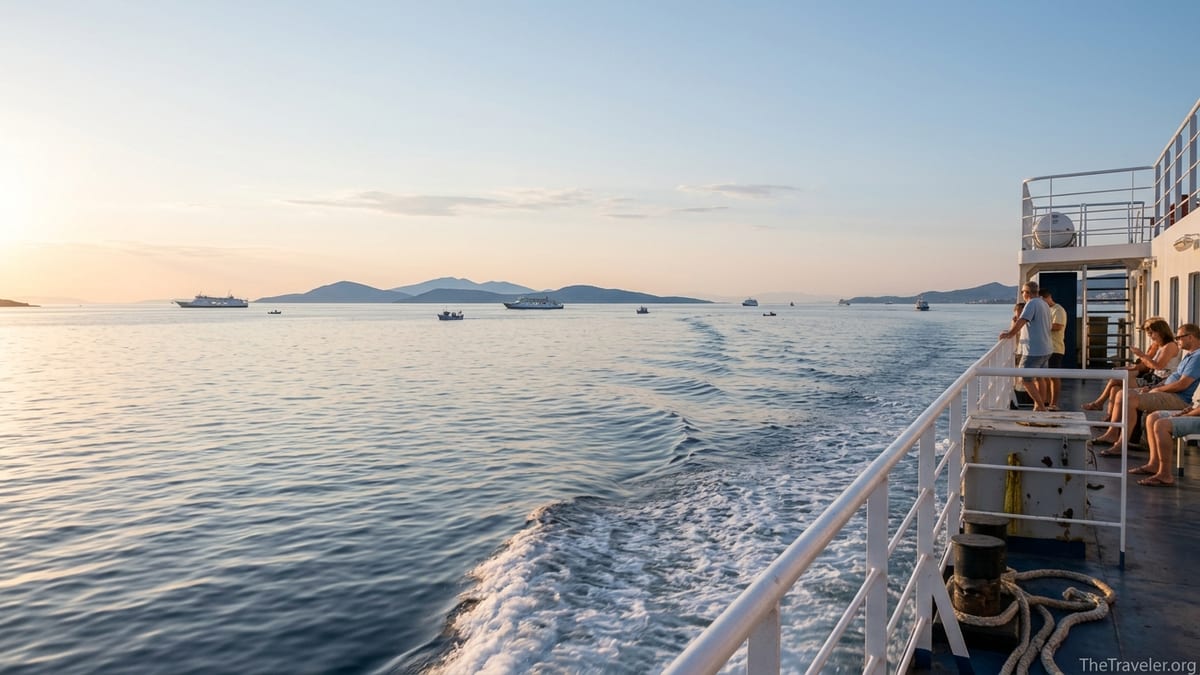
How Ferry Trips from Athens Work in 2026
Most island ferries serving the Saronic Gulf and nearby Cyclades depart from Piraeus, the main port of Athens, or from Lavrio, a smaller port on the southeastern tip of Attica. In 2026, fast catamarans operated by several companies run multiple daily services from Piraeus to Aegina, Agistri, Poros, Hydra and Spetses during the main season from roughly April to October, with reduced but still regular connections the rest of the year. From Lavrio, conventional ferries sail to Kea and Kythnos, with at least several departures per week and extra sailings in summer according to published 2026 timetables.
Travel times are short enough that you can comfortably visit most of these islands on a day trip. Aegina is typically around 40 to 70 minutes from Piraeus depending on whether you choose a high speed catamaran or a slower conventional ferry. Agistri is often reached in just under an hour by high speed boat. Hydra and Poros, which share some of the same routes, are usually reached in about 1 hour 15 minutes to 2 hours from Piraeus, while Spetses, further south in the Saronic Gulf, is closer to 2 to 3 hours by fast ferry. From Lavrio, Kea is often around one hour away and Kythnos about 1 hour 30 minutes on scheduled summer routes.
Prices fluctuate with demand and operator, but recent summer 2026 examples give a useful benchmark. Special offers advertised on routes between Lavrio and Kea mention single passenger fares around 12 euros one way on certain days, and Lavrio to Kythnos around 16 euros one way on promotional sailings. High speed catamarans from Piraeus to islands like Hydra or Spetses are typically more expensive, with one way adult tickets commonly in the 35 to 60 euro range in peak season, while slower conventional ferries to Aegina can be significantly cheaper, often under 20 euros each way.
For planning, it is important to remember that timetables can shift slightly during the season, and some services only operate on specific days of the week. Always check current schedules in the weeks before you travel and again a day or two before departure, especially in shoulder seasons like April or late October. Aim to arrive at the port at least 45 to 60 minutes before departure in high season to allow time to find the correct gate, print or collect tickets if needed, and board without stress.
Aegina: Classic Day Trip with Big-Temple Energy
Aegina is the classic first stop for many visitors: close, well served by ferries, and with a bit of everything. Fast boats from Piraeus often reach Aegina Town in about 40 minutes, while regular ferries can take just over an hour, giving plenty of flexibility for a day trip or even a half-day escape. Ticket prices vary by operator and speed, but you can roughly expect to pay from under 20 euros each way on slower boats to somewhat more on high speed services in summer.
Aegina Town feels authentically Greek rather than overly polished. Along the harborfront, you will find pistachio stalls, ouzeries and cafes where locals crowd around small tables. A practical day trip itinerary could look like this: catch a high speed ferry from Piraeus around 9:00, arrive before 10:00, then hop on the island bus or a taxi to the Temple of Aphaia, one of the best preserved ancient temples in Greece, set on a pine-covered hill with sea views. After exploring, continue to Agia Marina or Marathonas beach for a swim and late lunch at a taverna with plastic chairs right on the sand, then return to Aegina Town for the evening ferry back to Athens.
For overnight stays, Aegina offers simple guesthouses and mid-range hotels rather than large resorts. In peak months like July and August, double rooms in a seafront hotel in Aegina Town or Agia Marina often start from around 80 to 120 euros per night, with cheaper options available further inland or if you book well ahead. Car rental is available, but many visitors get around comfortably with buses, taxis and, for shorter distances, rented scooters or e-bikes. If you prefer to travel car free, focus on Aegina Town and nearby beaches, or pair Aegina with a second island like Agistri on the same trip.
Agistri: Small, Green and Perfectly Relaxed
Agistri lies just beyond Aegina and feels like a more compact, slower-paced version of its larger neighbor. Fast boats from Piraeus often reach the port of Skala or Myli in roughly 55 to 65 minutes, making it one of the easiest islands to access from Athens without a car. Several departures per day in summer allow you to arrive mid-morning, enjoy the beaches and pine forest, and be back in the city by evening if you choose a day trip.
Costs on Agistri are generally modest. Recent examples from online booking platforms show one way high speed ferry fares from Piraeus to Agistri often starting around the mid-20 euro range for adults in standard economy in summer, with prices increasing at busier times. Accommodation includes family-run studios, small hotels and a few simple beachside apartments. In June or September, you can often find double rooms close to the water for around 70 to 100 euros per night, with budget options a bit inland.
Agistri is a standout option for car-free travelers. The island is small enough that many visitors rely entirely on walking, cycling or the local bus that shuttles between Skala, Megalochori and Aponisos. Bicycles and e-bikes are widely rented near the main port areas. You can walk from Skala to the popular beach at Chalikiada in around 20 to 30 minutes along a coastal path, or take a bus or taxi to Aponisos, a rocky peninsula with clear turquoise water and a simple beach taverna charging a modest entry fee for sunbeds and access to ladders into the sea.
Agistri also works well as a combined trip with Aegina. Some day cruise companies bundle the two islands into one itinerary departing from the Athens marinas at Alimos or Piraeus, typically including swimming stops and lunch on board. If you prefer to travel independently, you can ferry directly from Piraeus to Agistri, then continue to Aegina on a local boat and return to Athens from there, as long as you keep an eye on inter-island schedules.
Hydra, Poros and Spetses: Chic, Car Free and Longer Rides
Hydra, Poros and Spetses share many ferry connections with each other and are commonly grouped into one or two island itineraries from Piraeus. In 2026, fast catamarans operated by various companies, including services referred to in current timetables as Speedcat, link Piraeus with Poros, Hydra and Spetses multiple times daily in high season, typically starting from late March and running through late September. One summer schedule, for example, shows a morning departure from Piraeus just before 10:00 that arrives in Hydra around 11:00 and continues to Spetses shortly after.
Hydra is car free, which is a key part of its charm and pricing. The town is a natural amphitheater of stone mansions, waterfront cafes and art galleries. Mules, water taxis and your own feet are the only ways to get around. A same-day round trip from Piraeus is possible, but you will spend at least 2.5 to 3 hours on ferries in total, and ticket prices on high speed boats can easily reach 40 to 60 euros each way in busy periods. As a result, Hydra is often best enjoyed as an overnight or multi-night stay, when you have time to wander the backstreets and walk to more distant swimming spots like Vlychos or Kamini without watching the clock.
Poros, closer to Piraeus and the Peloponnese, can feel like a more relaxed, less expensive counterpart to Hydra. Fast ferries from Piraeus can take about 1 to 1.5 hours, and conventional ferries from the Peloponnese port of Galatas cross in just minutes. Cars are allowed on Poros, but its scale and regular local buses make it manageable without one, especially if you base yourself in Poros Town or along the beach road to Askeli. Accommodation prices tend to be lower than on Hydra, which makes Poros a good value choice for travelers who want that traditional harborfront feel without the same level of expense.
Spetses, further south, combines smart neoclassical mansions with pine forests and swimming coves reached by coastal paths, bicycles or horse-drawn carriages. Like Hydra, the main town is effectively car free, with private car traffic heavily restricted, though scooters and some local vehicles are permitted. Fast catamarans from Piraeus usually take between 2 and 3 hours depending on stops at Poros and Hydra, so Spetses is better as a weekend or longer escape than a short day trip. Prices reflect its popularity among Athenians for stylish getaways, with summer room rates commonly above those on Aegina or Poros and beach clubs around Agia Marina charging more for sunbeds and drinks than you might pay on quieter islands.
Kea and Kythnos: Cycladic Flavors from Lavrio
While the Saronic islands feel like classic mainland-adjacent getaways, Kea and Kythnos offer the architecture and light of the Cyclades without the long crossings required to reach islands like Mykonos or Naxos. Ferries to both Kea and Kythnos depart from Lavrio, a port about a one hour drive or long bus ride southeast of central Athens. According to 2026 schedules published by ferry operators, several sailings per week connect Lavrio with Kea and Kythnos, with additional departures in summer.
Kea, also known as Tzia, is the closest Cycladic island to the mainland, often reached in about 1 hour from Lavrio on conventional ferries. Recent summer promotional fares show occasional one way tickets from Lavrio to Kea around 12 euros for passengers on specified days, making it an appealing budget option. From the arrival port of Korissia, buses and taxis can take you up to Ioulida, the main hilltop town, and onward to beaches such as Otzias or Koundouros. Kea’s terrain is hilly and spread out, so while it is possible to visit car free, particularly if you stay near Korissia or Ioulida, visitors who want to explore remote beaches and hiking trails often find a rental car or at least a scooter very useful.
Kythnos, a little further out, typically takes around 1 hour 30 minutes from Lavrio on regular ferries. Summer promotions have listed one way passenger fares of roughly 16 euros on certain sailings, which makes it competitively priced for a weekend or longer break. Kythnos is known for its hot springs at Loutra, whitewashed lane ways in villages such as Chora and Dryopida, and beautiful bays such as the double-sandbar beach of Kolona. Reaching these more remote spots without a car is possible through a mix of taxis, occasional buses and boat excursions from the main ports, but the island’s rugged landscape means fully car free travel requires more planning than on compact Agistri.
In both Kea and Kythnos, accommodation is varied but smaller in scale than on major tourist islands. Expect a mix of traditional rooms to let, design-focused boutique hotels and self-catering villas. During peak Greek holiday periods in August, nightly rates for double rooms in popular beach areas can easily range from 120 to 200 euros or more, while in June or late September you might find simpler options closer to 80 to 120 euros if you book ahead. Dining is focused on tavernas and a few contemporary restaurants, so overall costs on the islands can remain moderate compared to better-known Cycladic hotspots.
Day Trip vs Overnight: How Long to Stay on Each Island
From Athens, Aegina and Agistri are the most realistic day trip options if you want a relaxed pace. With travel times around one hour each way and several sailings per day in summer, you can comfortably fit in swimming, a taverna lunch and a stroll without feeling rushed. A good pattern is to take a morning ferry between 8:00 and 10:00 and return on an early evening boat around 17:00 to 19:00, which keeps total travel time to roughly two hours for the day.
Hydra and Poros can also be visited as day trips, especially if you catch an early high speed departure from Piraeus. However, the higher ticket cost and additional travel time begin to tilt the balance in favor of at least one overnight. On Hydra, staying in the port town after the day trippers leave is part of the magic: the waterfront quiets, galleries reopen for the evening and you can linger over dinner by the harbor without worrying about catching the last boat. On Poros, staying overnight allows you to add a morning hike to the clock tower or a sunset walk to the lighthouse on the tip of the island.
Spetses, Kea and Kythnos are better approached as weekend or longer escapes rather than day trips. The combination of ferry duration, port transfers and dispersed sights means that a same-day return can feel more like a box-ticking exercise than a holiday. A two or three night stay on Spetses gives you time to rent bicycles, circle the island on its coastal road and explore beaches like Agia Paraskevi and Zogeria. On Kea and Kythnos, two or more nights let you mix village walks with lazy days on the beach and perhaps a boat trip or two.
If your time in Greece is limited, consider focusing on a single island rather than stringing too many ferry rides together. For instance, a long weekend in Agistri or Aegina can provide all the sea swimming, seafood and sunset views you might hope for, without the logistical overhead of multiple connections. On the other hand, if you have a week or more and enjoy moving around, pairing Aegina with Agistri, or Poros with Hydra, is very doable using existing ferry links and careful schedule checks.
Beaches, Atmosphere and Costs: Choosing the Right Island for You
Each island near Athens has its own personality, which affects both the type of trip you can have and what you are likely to spend. Aegina combines culture and sea, with the ancient Temple of Aphaia and the hilltop monastery of Agios Nektarios balancing out beach time at Marathonas or Agia Marina. Tavernas around Aegina Town still cater largely to Greeks, so you may find generous seafood platters, fresh salads and local wine at prices that feel reasonable for a destination just an hour from the capital.
Agistri, by contrast, is almost entirely about the water and the forested landscape. Beaches like Skala have a shallow, family-friendly shoreline, while more adventurous swimmers prefer rockier coves such as Dragonera or the diving rocks near Aponisos. Costs here trend slightly lower than on Hydra or Spetses: a sunbed and umbrella rental on a main beach often runs to a modest fee per day, and you can still find simple grilled fish and house wine at village tavernas for prices closer to what Athenians pay in the suburbs.
Hydra and Spetses lean into a more upscale mood. On Hydra, former captains’ mansions now house art galleries, boutique hotels and high-end restaurants. There are no long sandy beaches, but stone platforms and small pebbly coves like Avlaki or Plakes provide clear, deep water and views of passing yachts. Expect higher prices for accommodation and dining in high season, particularly in July and August, when rooms in central Hydra Town often sell for well over 150 to 200 euros per night. Spetses shares this upscale feel, especially around the historic waterfront near the Poseidonion hotel and the beach clubs on the south coast.
Kea and Kythnos offer a different atmosphere again: a blend of Cycladic minimalism and low-key local life. Kea’s beaches at Koundouros, Spathi and Xyla attract Athenians with holiday homes, while hilltop Ioulida remains pleasantly traditional, with narrow lanes and a lion sculpture carved into the rock just outside the town. Kythnos is more rustic, with unpaved roads leading to bays like Kolona and merchant houses turned into simple guest rooms in Chora and Dryopida. While some boutique projects have nudged prices upwards, both islands can still feel more affordable and less polished than the flashier Cyclades, especially if you eat at family-run tavernas and stay in smaller pensions.
Practical Tips for Car-Free Travel and Port Logistics
Most short island escapes from Athens can be done comfortably without renting a car, provided you choose your base wisely. For car-free travel, look for accommodation within walking distance of the main harbor town or on a well-served bus route. On Aegina, staying in Aegina Town or Agia Marina gives easy access to buses and taxis. On Agistri, either Skala or Megalochori works well, as both are connected by buses and are small enough to explore on foot. Hydra and Spetses are naturally suited to car-free trips due to their restrictions on private cars, and Poros offers frequent buses and taxis to popular beach areas.
Kea and Kythnos pose more of a challenge without a vehicle because their villages and beaches are widely spread out. If you plan to travel car free, consider staying near the main ports, Korissia on Kea and Merichas on Kythnos, or in main villages like Ioulida or Chora where at least some services are within walking distance. Ask your accommodation in advance about local bus timetables, especially outside peak months, and be prepared to rely on taxis or organized boat excursions for reaching more remote beaches.
From central Athens, getting to Piraeus or Lavrio is a key part of planning. Piraeus is connected by metro and suburban rail, with journey times from central stations such as Monastiraki or Syntagma often around 30 to 40 minutes. Lavrio does not yet have direct metro access, so you will need a long-distance bus from central Athens or a pre-booked transfer or taxi, which can take around one hour depending on traffic. For early morning sailings from Lavrio, an overnight stay near the port or in the southern suburbs can reduce stress.
Regardless of port, arrive earlier than the minimum stated in your booking confirmation, particularly between late June and early September when queues can form for both ticket offices and boarding ramps. Ferries can be delayed by weather or congestion, so avoid planning tight same-day connections between different islands or onward flights. For example, if you return from Hydra or Spetses to Piraeus on a summer afternoon, leave several hours between your scheduled arrival and any evening flight from Athens International Airport to allow for possible delays and the transfer time across the city.
FAQ
Q1. Which Greek island near Athens is best for a quick day trip?
Aegina is usually the most practical day trip because ferries from Piraeus are frequent, relatively inexpensive and take around 40 to 70 minutes each way, leaving plenty of time for beaches and sightseeing.
Q2. Can I visit Hydra as a day trip from Athens?
It is possible to visit Hydra on a day trip using early morning and late afternoon high speed ferries, but travel time and ticket cost are higher, so many travelers prefer at least one overnight stay.
Q3. Do I need to book ferry tickets in advance in 2026?
For summer weekends, Greek public holidays and routes to popular islands like Hydra, Spetses, Kea and Kythnos, advance booking is strongly recommended, while midweek off-season trips to Aegina or Agistri can sometimes be booked closer to departure.
Q4. Which nearby island is best if I do not want to rent a car?
Agistri, Hydra, Poros, Aegina Town, and central Spetses are all suitable for car-free travel, thanks to compact layouts, walkable harbors and regular local buses or water taxis.
Q5. How much should I budget for a return ferry and one night on an island?
As a rough guide in 2026, a return high speed ferry from Piraeus plus a mid-range double room for one night might total around 150 to 250 euros for two people, depending on island, season and comfort level.
Q6. Is the sea usually calm on these short crossings?
The Saronic Gulf and the route to Kea and Kythnos are relatively sheltered, but strong winds can still create choppy conditions, especially in July and August, so sensitive travelers may prefer larger conventional ferries when possible.
Q7. Can I combine more than one island in a single weekend?
Yes, it is realistic to combine Aegina and Agistri, or Poros and Hydra, in a single long weekend using existing ferry links, but you should check inter-island schedules carefully and avoid very tight connections.
Q8. Are there sandy beaches on these islands or mainly pebbles and rocks?
You will find both: Aegina and Agistri have several sandy or mixed sand-and-pebble beaches, Poros and Spetses offer sandy stretches and coves, while Hydra is better known for rocky platforms and small pebbly bays.
Q9. Is it easy to find vegetarian or vegan food on these islands?
Most tavernas offer plant-based options such as salads, grilled vegetables, legumes and vegetable stews, and while dedicated vegan restaurants are rare, vegetarian travelers generally eat well on all of these islands.
Q10. What is the best season to visit the islands near Athens?
Late May, June, September and early October often provide the best balance of warm sea temperatures, long daylight hours, active ferry schedules and more moderate prices and crowds than in peak August.