


Greece’s islands have a reputation for champagne sunsets and luxury price tags, but the reality is more nuanced. Skip the marquee names and you can still get long sandy beaches, lively harbor towns and excellent food at prices that feel surprisingly down to earth. This guide looks at some of the best-value Greek islands right now and compares what really matters for budget travelers: accommodation, restaurant costs, beaches, ferries, rental cars and nightlife. The goal is simple: help you spend less without feeling like you are “settling” for a second‑tier destination.
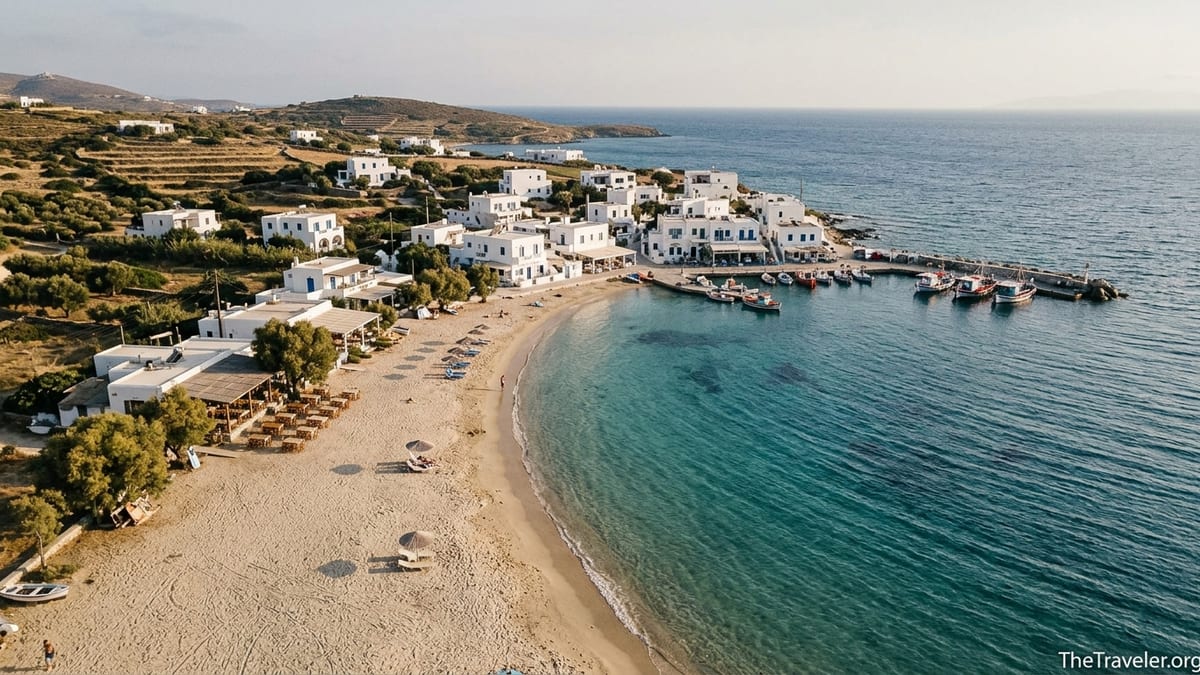
How Greek Island Costs Really Break Down
On the Greek islands, your budget will be shaped by five main factors: where you sleep, what and where you eat, how you move around, how you arrive, and how much nightlife you indulge in. The good news is that outside a handful of prestige hotspots like Santorini and Mykonos, most islands still offer private rooms and studios in the 40 to 80 euro per night range in shoulder season, especially in May, early June and late September. On particularly good-value islands, simple double rooms in family-run pensions can drop closer to 35 to 45 euros if you book early or deal directly with the owner by email or phone.
Food is the next big variable. Islands with their own agriculture and year‑round populations, such as Naxos, Ikaria and Samos, typically have noticeably lower prices than smaller, more imported‑goods‑dependent spots. In a local taverna away from the seafront, a generous plate of grilled sardines, a Greek salad and house wine can still come to roughly 12 to 18 euros per person if you share a few dishes, compared with 25 euros or more in the polished sunset districts of Santorini’s Oia or Mykonos Town.
Transport and ferries are where hidden costs creep in. A single high‑speed ferry ticket between Athens (Piraeus) and a popular island can be 60 to 80 euros per person one way in peak season, and adding a rental car that sits idle part of the day is another 35 to 50 euros daily on many islands. Choosing islands closer to Athens or those connected by buses and causeways, such as Aegina or Lefkada, can reduce that transport bill dramatically. On the flip side, taking the slower conventional ferries usually cuts ticket costs, even if the journey adds a few hours.
Nightlife spending is much more under your control. A round of cocktails at a chic bar in Paros’s Naoussa or Milos’s Adamas can push 12 to 16 euros per drink, while a glass of local house wine at a family-run kafeneio on Ikaria might be 3 or 4 euros. If you enjoy a couple of drinks most nights, choosing a lower-key island with informal bars rather than full-on beach clubs can cut 100 euros or more from a week-long trip without affecting your days on the sand.
Naxos: Big Beaches, Local Food, Moderate Prices
Naxos in the Cyclades is one of the best all‑round budget choices because it combines outstanding beaches, excellent food and a wide range of accommodation without the extremes of neighboring Mykonos or Santorini. Long sandy stretches like Agios Prokopios, Agia Anna and Plaka are free to access and run for kilometers along the west coast. You can still lay your towel on the sand at no cost, or rent a pair of sunbeds and an umbrella for around 15 to 25 euros for the day in summer, generally cheaper than the 40‑plus euro sets common in upscale Mykonos clubs.
Accommodation on Naxos Town’s edge or a bus ride away in Agios Prokopios often starts around 45 to 60 euros per night for a simple studio in June or September, rising in August but still under the 150‑plus euro levels seen on the most fashionable islands. Many of these studios come with a kitchenette and balcony, which allows you to self‑cater some breakfasts and simple dinners using island produce. Naxos is known in Greece for its potatoes, cheeses and citrus, and supermarkets and bakeries are well stocked, so a picnic lunch from a bakery and fruit stand can easily cost less than 7 euros per person.
Eating out, Naxos’s agricultural base keeps menu prices reasonable. In tavernas in Naxos Town’s backstreets or mountain villages like Apeiranthos and Filoti, a couple can share a salad, a meze plate, a main dish such as pork with lemon potatoes or vegetarian briam, and a half‑liter of house wine for roughly 30 to 40 euros in total. Fresh fish, always the splurge item in Greece, is priced by the kilo but often still under what you might pay for similar dishes on Santorini’s caldera edge.
For getting around, buses connect beaches and mountain villages in summer, with tickets generally in the 1.80 to 3 euro range per ride. That means you can skip a rental car entirely if you choose a base near the main bus routes. If you prefer the freedom of a car, expect roughly 35 to 45 euros per day for a small manual vehicle outside August. Nightlife on Naxos is laid-back rather than glitzy: bars in the old town offer cocktails starting around 9 to 10 euros and local spirits like raki for less, so it is easy to enjoy the evenings without the high club cover charges of Mykonos.
Paros & Milos: Balancing Hype and Value
Paros and Milos have both become social‑media favorites, but with some planning they can still be approached on a realistic budget. Paros offers a good compromise for travelers who want lively towns and decent nightlife but cannot justify Mykonos prices. Port town Parikia tends to be more affordable than the photogenic harbor of Naoussa, where boutique hotels and cocktail bars command higher rates. In shoulder season you can still find doubles in simple pensions in Parikia from around 50 to 70 euros per night, whereas smart suites in Naoussa can rise well above 150 euros in high season.
Food on Paros varies widely by location. In Parikia’s backstreets and inland villages like Lefkes, everyday tavernas serve hearty plates of baked lamb, pastitsio or gemista (stuffed tomatoes and peppers) for perhaps 9 to 14 euros a main course. Walk along Naoussa’s waterfront and you will see menus where mains comfortably exceed that range, and where the price of a cocktail often eclipses what you would pay for a full simple meal on less developed islands. One practical strategy is to base in Parikia or a quieter beach village such as Aliki, enjoy daytime bus trips to Naoussa or Kolymbithres beach, and return to more modestly priced restaurants in the evening.
Milos, with its moonlike Sarakiniko cliffs and boat trips to Kleftiko, can feel pricier than Naxos once you factor in activities. Standard rooms around the port of Adamas or in family-run accommodations in Pollonia can still be found in the 70 to 100 euro range in shoulder season, but organized boat excursions to Kleftiko or multi‑stop sailing days frequently run around 30 to 50 euros per person, which quickly adds to your budget. The key trade‑off: Milos’s beaches are among the most spectacular in Greece, and many, such as Firiplaka or Paliochori, are essentially free once you arrive by bus or rental scooter.
To keep costs under control on these trendier islands, watch your transport and bar bills. Renting a small car on Paros or Milos can push 40 to 60 euros a day in summer, so a pair of scooters or e‑bikes, along with strategic use of island buses, may be better value if you are comfortable riding. Also consider limiting nights in the pricier hubs: two or three nights near Naoussa or Adamas for the atmosphere, paired with a few nights on a neighboring cheaper island such as Antiparos off Paros or a longer stay on Naxos, can help spread your budget without sacrificing the highlights.
Samos, Ikaria & Chios: Under‑the‑Radar Value in the Northeast Aegean
For travelers willing to go a little farther from Athens, the islands of Samos, Ikaria and Chios in the northeast Aegean offer some of the best ratios of quality to price. They see fewer international package tours than islands like Rhodes or Corfu, and many visitors are Greek or from nearby Turkey, which has helped keep prices relatively grounded. Ferry journeys from Piraeus are longer than to the Cyclades, but these islands are also linked by regular flights from Athens, so booking a budget airline ticket well in advance can sometimes be cheaper and faster than a long ferry ride.
Samos is green and mountainous with a working‑island feel. Resorts around Pythagoreio and Kokkari offer mid‑range hotels and seafront apartments where double rooms out of peak August can start around 45 to 65 euros nightly. Beaches like Tsamadou and Lemonakia combine clear water with informal beach bars where a coffee or beer is usually in the 3 to 5 euro range rather than the premium seen at high‑end Cycladic clubs. Tavernas often list mains such as grilled chicken, moussaka or vegetarian plates between roughly 8 and 13 euros, and many include complimentary fruit or a small dessert.
Ikaria has a quietly growing reputation for being both affordable and refreshingly unhurried. Its villages and famous panigyri (all‑night village festivals) draw visitors who care more about music and simple food than designer boutiques. Accommodation around Armenistis or the hill villages often includes studios and small hotels in the 35 to 55 euro range in spring and autumn, with even summer prices tending to lag behind the Cyclades. Simple tavernas serve generous portions of slow‑cooked goat, wild greens, beans and local wine at prices that feel close to mainland rural Greece rather than a resort. Nights out tend to involve plastic chairs, live music and carafes of wine instead of door charges and bottle service, which naturally keeps costs low.
Chios, one of Greece’s larger but less touristed islands, offers long, mostly pebble beaches, traditional mastic villages such as Pyrgi and Mesta, and a workaday main town. Because it is a regional hub rather than a pure holiday island, accommodation and food are generally well priced. Family-run hotels and apartments outside the town center can be found in the 40 to 70 euro bracket in much of the season. Renting a car to explore the south and west coasts often costs a bit less than on more famous islands, and fuel prices are similar nationwide, so the savings come mostly from lower daily rental rates and fewer parking charges. For travelers happy with simpler beach infrastructure and authentic, low‑key evenings, these islands deliver excellent value.
Lefkada & Aegina: Saving on Ferries and Transfers
One of the biggest hidden expenses in a Greek island trip is simply getting there. If your budget is tight, looking for islands that you can reach with cheaper ferries or without a ferry at all can unlock serious savings. Lefkada in the Ionian Sea is a prime example. It is technically an island but connected to the mainland by a causeway and small bridge, meaning you can arrive by bus or rental car from Athens without buying any ferry ticket. Intercity buses from Athens to Lefkada town are typically priced in the same ballpark as long‑distance bus routes elsewhere in Greece, and once you arrive you can either rely on local buses to reach beaches like Kathisma and Nidri or rent a car.
Lefkada’s accommodation stock is wide, from modest studios in inland villages to apartments perched above famous beaches such as Egremni and Porto Katsiki. Prices vary, but simple studios can start from around 40 to 60 euros in shoulder months, rising in August. Beaches themselves are free to access, although you may pay for parking or sunbeds at the most popular spots. A couple who self‑cater breakfasts and eat at local grill houses can keep daily food spending to a level similar to rural mainland Greece, making Lefkada competitive with, or even cheaper than, many better‑known islands that also require ferry tickets.
Closer to Athens, Aegina in the Saronic Gulf is another budget‑friendly choice, especially for short breaks. Frequent ferries connect Piraeus to Aegina town in around an hour, and conventional ferry tickets cost significantly less than high‑speed routes to the Cyclades. Because journey times are short, you can also avoid the higher‑priced cabins and simply travel on deck. Once on Aegina, you have small beaches in walking distance of the port, plus longer stretches like Agia Marina accessible by local bus or taxi. Many Athenians own holiday homes here, which has helped sustain a broad range of reasonably priced tavernas, cafes and rooms‑for‑rent.
In practice, choosing an island close to Athens or connected by road means you can allocate more of your total budget to accommodation and food, rather than long‑distance transport. This is particularly useful for long weekends or trips where you are flying into Athens on a low‑cost carrier and want to minimize onward travel time and expense. It also simplifies logistics for families or groups who might otherwise need to coordinate tight ferry connections.
Accommodation, Food, Cars & Nightlife: Where You Actually Save
When comparing islands, it can help to think in terms of where savings are realistically achievable without undermining your experience. Accommodation is usually the largest single line item, and here the advantage goes to larger, less fashion‑driven islands with many family-run properties. On Naxos, Samos or Ikaria, you can still find clean en‑suite doubles with air‑conditioning for around 45 to 70 euros for much of the season, particularly a short walk back from the seafront. In contrast, similarly located rooms on a marquee island like Mykonos often start at more than double that. Booking early, targeting late May to early July or September, and being flexible about being one or two streets away from the beach can produce substantial savings without meaningful trade‑offs.
Food is the next big area. Cooking occasional meals in your accommodation, even if it is just breakfast and some beach snacks, reduces costs, but island choice matters just as much. On agricultural islands such as Naxos or Ikaria, supermarket prices and taverna bills are closer to what you would find in a provincial mainland town. Ordering shared meze, house wine and one grilled main to split is socially normal and a good way to sample more dishes while keeping per‑person costs low. Sticking mainly to seafront promenades in chic towns, on the other hand, virtually guarantees a higher bill regardless of island.
Transport savings depend strongly on how much you want to explore. If your idea of a perfect week is alternating between two beaches, choosing a compact island like Aegina or a beach‑village base on Naxos allows you to rely on buses and occasional taxis. Daily bus tickets are inexpensive across the islands, and many routes are timed for beachgoers. If you like to roam widely, a rental car becomes harder to avoid. In that case, look for islands where car rental rates remain at the lower end of the national range and where you can take a slower, cheaper ferry. Avoid shipping a car from Athens unless you absolutely need it, as vehicle ferry fares can consume what you save on rental bills.
Nightlife is the most flexible cost category. Islands like Paros and Milos have lively bar scenes where spending can escalate quickly if you have multiple cocktails a night in waterfront lounges. If you prefer the idea of lingering over carafes of wine and simple meze while the village square fills up with locals, aim for Ikaria, Samos, Chios or inland Naxos. Not only are drink prices lower but there is also less pressure to keep ordering to “hold” a prime sunset table. Travelers who are happy with informal, music‑focused evenings will often find their total daily spending drops by 20 to 30 euros compared with those building their plans around beach clubs and late‑night bars.
The Takeaway
The cheapest Greek islands are not necessarily the smallest or the most remote. They are usually the ones that still function as real places outside of summer, have their own agriculture, and have not become shorthand on social media for luxury escapes. Naxos, Samos, Ikaria, Chios, Lefkada and nearby Aegina all offer strong beach options, attractive towns and good food while keeping everyday costs in check. More photographed islands like Paros and Milos can still be part of a budget‑conscious trip, as long as you keep an eye on where you stay, how you move around and how often you tap into their higher‑end nightlife.
If you are planning a Greek island trip with value in mind, start by deciding what you care about most: long sandy beaches, village life, tavernas, nightlife, or minimal travel time from Athens. Then pick one or two islands that align with those priorities but sit outside the most famous bracket. Travel in shoulder months where possible, favor local buses over constant car rentals, eat where the menus are in Greek as well as English, and mix the occasional splurge day with several quieter ones. You will discover that the “cheapest” Greek islands are not defined only by what you spend, but by how little you feel you have sacrificed to stay within your budget.
FAQ
Q1. Which Greek island offers the best balance of low prices and great beaches?
Naxos is often the strongest all‑round value, with long sandy beaches, excellent local food and a wide range of affordable rooms, especially outside August.
Q2. Are islands like Mykonos and Santorini ever a good idea for budget travelers?
They can work for a short stay if you visit in May or late September, book well ahead and accept simpler rooms, but your money stretches far further on less famous islands.
Q3. How much should I budget per night for accommodation on cheaper islands?
On good‑value islands such as Naxos, Samos, Ikaria or Lefkada, a simple double with private bathroom often falls in the 45 to 80 euro range in shoulder season.
Q4. Is it cheaper to fly or take the ferry to the islands?
For nearby islands, slow ferries are usually cheaper. For farther destinations like Samos or Chios, advance‑purchase flights from Athens can sometimes cost less than a long ferry ride.
Q5. Do I need a rental car on budget islands?
You can manage without a car on compact or bus‑served islands by staying near a main bus route. If you want to explore widely, plan for a car for just a few key days rather than the whole stay.
Q6. How can I keep food costs down without missing out on local cuisine?
Eat your main meal at lunchtime in local tavernas, share several meze plates, choose house wine, and self‑cater breakfast and some snacks using supermarket and bakery purchases.
Q7. Which months are best for a cheaper Greek island holiday?
Late May, June, and September usually offer warm weather and swimmable seas with noticeably lower accommodation prices and smaller crowds than peak August.
Q8. Are boat trips and excursions worth the extra cost on islands like Milos?
On Milos, a boat trip to areas like Kleftiko is often a highlight and may justify the extra 30 to 50 euros, but you can offset this by choosing cheaper meals or skipping other paid activities.
Q9. Is cash still important on lesser‑known islands?
Card payments are widely accepted, but small family-run rooms, rural tavernas and village festivals may prefer or even require cash, so it is wise to carry some euros.
Q10. How many islands should I combine on a one‑week budget trip?
For a week, one main island plus a simple day trip or overnight to a nearby smaller island is usually enough. Adding more hops increases ferry costs and wastes time in transit.