


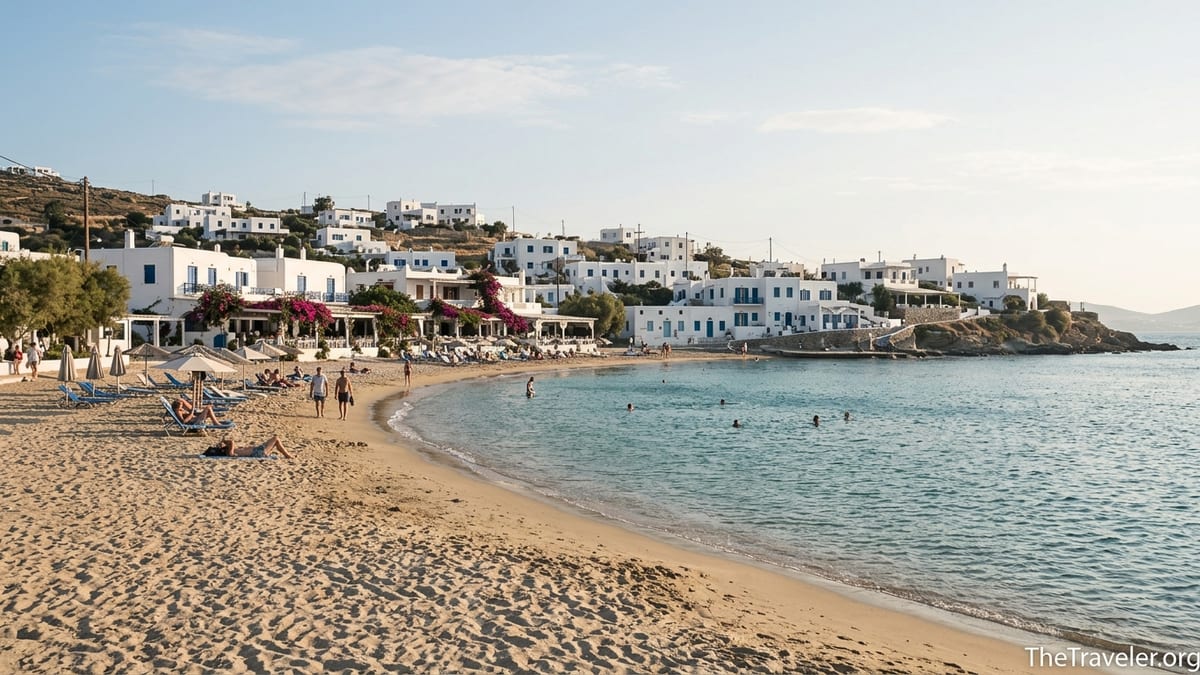
Choosing when to visit Greece matters almost as much as choosing where to go. The same Santorini sunset or Mykonos beach can feel entirely different in April than in August, both in terms of weather and in what it does to your budget. This guide breaks down Greece’s seasons from April through October, plus winter, so you can match real-world conditions to your priorities for beaches, sightseeing, nightlife and lower prices.
How Greece’s Seasons Really Work for Travelers
Greece’s main tourism season runs roughly from April to October, but each month within that window feels different on the ground. Late spring and early autumn have become the sweet spot for many travelers because they offer warm weather and long daylight without August’s extreme heat and packed ferries. In recent seasons, travel planners and tour operators consistently highlight May, June and September as the strongest all-round months, with October increasingly popular for lower prices and quieter sights.
Typical daytime highs in Athens climb from the low 70s Fahrenheit in April to the upper 80s or low 90s in July and August, then ease back into the high 70s and low 80s by September and October. Rain is relatively rare from June through early September, while October brings noticeably more showers again, especially on the mainland. On the islands, especially in the Cyclades and Dodecanese, conditions are generally sunnier and drier than northern Europe through much of autumn.
Sea temperatures lag behind air temperatures. In practice, that means the water is often brisk in April and early May, comfortable for many swimmers by late May and June, and at its warmest from August through mid-October. For example, the Aegean around islands like Naxos and Paros tends to sit in the low to mid 70s Fahrenheit in September, while southern islands such as Crete and Rhodes can stay even warmer into October. This matters if you are planning a beach-first itinerary.
Tourist infrastructure also follows the seasonal curve. On popular islands like Santorini and Mykonos, most hotels, beach clubs and restaurants are fully open from May through late September, with many winding down in October. Conversely, coastal towns on less visited islands may not feel “alive” until late April or May and often close again by late October. On the mainland, cities such as Athens and Thessaloniki function year-round, which makes them more forgiving for winter or shoulder-season travel.
April and May: Spring Light, Flowers and First Swims
April in Greece feels like a soft opening of the summer season. In Athens, daytime highs typically sit in the upper 60s to low 70s Fahrenheit with cool evenings, and rainfall is already much lower than in winter. On the islands you can expect bright, clear skies but also wind and cooler nights. Wildflowers blanket the hillsides in the Peloponnese, Crete and the Cyclades, and olive groves and vineyards are at their greenest. It is ideal weather for climbing up to the Acropolis, hiking Samaria Gorge on Crete once it opens for the season, or exploring the ruins at Delphi without needing to seek shade every half hour.
For beaches, April is more about sunbathing than swimming unless you are comfortable in cooler water. You might see locals at Athenian suburbs like Glyfada or Vouliagmeni still wearing light jackets while Scandinavian visitors happily swim. On southern coasts of Crete or Rhodes, some days are already warm enough for long beach afternoons, but you should not count on tropical conditions. Many island hotels are just opening, and some tavernas in small villages may still be closed, so you get a quieter, more local atmosphere.
May marks the real beginning of Greece’s summer feel without its summer crowds. Ferries move to fuller schedules, particularly around the Cyclades, and islands like Paros, Naxos and Milos start to feel lively. Daytime temperatures in Athens and on the islands generally range from the mid 70s to low 80s Fahrenheit, with plenty of sunshine and relatively little rain. Travelers who visited islands such as Paros or Santorini in late May in recent years often report near-perfect beach weather by day, a light jacket at night, and crowds that feel manageable rather than overwhelming.
Prices in April and May are usually significantly lower than peak summer. On Santorini, a caldera-view boutique hotel that may start around the equivalent of 550 to 700 US dollars per night in late July can often be found closer to 300 to 400 US dollars in May, particularly outside of holiday weekends. Car rentals in places like Crete, which can sell out and surge in price in August, are far more affordable and available in May. For a traveler balancing beaches, island-hopping and sightseeing, late May through early June often delivers the best compromise between weather, crowds and price.
June and July: Peak Beach Season and Rising Heat
By early June, beach conditions across much of Greece are excellent. The sea has had time to warm, especially after a hot May, and daytime highs across the islands often sit comfortably in the upper 70s to mid 80s Fahrenheit. Ferries run on high-season schedules, making routes such as Athens to Mykonos, Mykonos to Naxos or Santorini to Crete straightforward, with multiple daily sailings. In island towns like Naoussa on Paros or Chora on Naxos, almost every bar, beach club and restaurant is open but not yet overwhelmed. This is why many travel agents now recommend June as their favorite month for classic Greek island itineraries.
Crowds do rise steadily through June, especially on world-famous islands. On Mykonos, the most popular beach clubs at places like Psarou and Super Paradise start hosting international DJs, and tables can require advance reservations even during weekdays. Santorini’s Oia begins to see significant afternoon congestion, especially around sunset viewpoints where small alleys can feel jammed. However, if you stay on quieter islands such as Sifnos or Amorgos, June still feels relatively relaxed, with tavernas happy to seat walk-in guests and rental sun loungers available until late morning.
July is full peak summer. Temperatures in Athens frequently reach the 90s Fahrenheit, sometimes higher during heatwaves, and even coastal areas can feel hot in the middle of the day. On islands exposed to the meltemi winds, particularly Mykonos, Paros and Naxos, strong afternoon winds can make some beaches choppy and cool despite the air temperature. The sea itself is warm, especially in shallower bays, and swimming becomes effortless everywhere from Corfu in the Ionian to Kos in the Dodecanese.
Prices and crowds are at or near their annual high in July. In places that rely heavily on tourism, such as Mykonos Town or the caldera villages of Santorini, hotel rates can run two to three times what you might pay in shoulder season. A simple sunbed and umbrella set on an organized beach could cost the equivalent of 40 to 80 US dollars for two on a hot July weekend at fashionable beaches, compared to much less in May or October. For nightlife-focused travelers who want full-throttle parties, big-name DJs, and packed beach clubs, late July is when the scene peaks. For families and couples prioritizing relaxation or lower prices, early June is usually a better fit than late July.
August: High Summer, High Prices, and Island Logistics
August in Greece is both spectacular and challenging. The sea is at its warmest, beaches are at their liveliest, and village festivals fill local calendars, especially around the major religious holiday on August 15. At the same time, nearly all of Europe seems to head for the Mediterranean. Many Greeks take their own summer holidays then, so ferries, flights and highways are under maximum pressure. If you picture the alleyways of Mykonos Town at midnight or the main pedestrian street in Fira on Santorini at sunset, August is when they are wall-to-wall with visitors.
Weather-wise, August often brings the highest temperatures and sometimes intense heatwaves, particularly on the mainland. Athens can feel stifling in the afternoon, with many locals heading to the coast or escaping to the islands. On the Cyclades, the meltemi winds are usually at their strongest. This can be pleasant on hot days, creating a dry breeze on beaches like Plaka on Naxos or Golden Beach on Paros, but it can also cause ferry delays or cancellations on very windy days. Travelers occasionally report rough crossings between Piraeus and Mykonos or Santorini at this time of year, which can be an issue if you are prone to seasickness or on a tight schedule.
From a budget perspective, August is the most expensive month almost everywhere in Greece. On Mykonos, even mid-range hotels far from the water can sell for what luxury suites cost in May. A family booking a week in Crete at a popular all-inclusive resort near Chania or Heraklion might find August rates 30 to 50 percent higher than in June or September. Car rentals, too, become hard to find unless booked months in advance, and prices can double compared to April or late October.
If August is the only time you can travel, planning and destination choice matter. Booking key elements such as ferries, flights and accommodation several months ahead is wise, particularly for the week surrounding August 15. Aim carefully with your island picks: quieter destinations such as Ikaria, Kythira, or Serifos, or the south coast of Crete around places like Paleochora, tend to feel less overwhelmed than the most iconic islands. You might also split your trip, spending a few city days in Athens or Thessaloniki early in the month when locals are away and then heading to a less crowded island for the peak holiday period.
September and October: Warm Seas, Softer Light and Lower Prices
September is widely viewed as one of the very best months to visit Greece, especially for travelers who prioritize beaches and more manageable crowds. After two months of summer heat, sea temperatures in the Aegean and Ionian are at their peak, often hovering in the mid 70s Fahrenheit. On islands like Naxos, Milos, Zakynthos and Corfu, you can swim for long stretches of the day without ever feeling chilled. At the same time, air temperatures begin to moderate, with many destinations enjoying highs in the upper 70s or low 80s Fahrenheit and cooler, more comfortable evenings.
The feel of the islands shifts in September. Ferries still run frequent schedules, and almost all restaurants, bars and shops remain open, but there is more space at sunset viewpoints and more availability on guided tours. Beach clubs on Mykonos and Paros continue to operate, yet you are more likely to find a last-minute sunbed or a taxi boat with seats. Many travelers who visit Greece at the end of August and then return in mid or late September remark on how similar the beach weather is but how much more relaxed the overall experience feels in September.
Prices begin to slide after the first week of September. In Santorini, popular cave hotels in Oia often adjust rates downwards compared with August, and availability increases enough that you might snag a two- or three-night stay at short notice, something difficult to achieve in mid-summer. On larger islands like Crete or Rhodes, resort packages for the last two weeks of September are frequently promoted to European travelers as “late summer deals,” undercutting August prices while still delivering full pool and beach service. Domestic tourism also drops sharply once Greek schools resume in early September, easing pressure on ferries and highways.
October is more variable but increasingly attractive. Early October on the southern islands and in much of the Peloponnese can feel like an extension of summer, with daytime temperatures often in the low to mid 70s Fahrenheit and plenty of swim-friendly days. Travelers returning from Crete and Santorini in early to mid October often report daytime conditions warm enough for beaches and pools, with cooler evenings perfect for dining outdoors. Sea temperatures remain comfortable for most swimmers, since the water has been warming all summer. However, you should be prepared for the occasional rainy or windy day, especially later in the month and on northern islands like Thasos or Skiathos.
Winter in Greece: Culture, Cities and Quiet Islands
Although the majority of international visitors arrive between April and October, winter can be a rewarding time to visit Greece if you adjust your expectations. From November through March, most beach towns and smaller islands are quiet or largely closed to tourism. Many seafront tavernas stack their chairs, and inter-island ferries operate much less frequently. However, the major cities and mainland cultural sites continue to function year-round, often in a much more relaxed atmosphere.
Athens in winter is particularly appealing for travelers focused on history and food rather than beaches. Daytime temperatures typically sit in the 50s Fahrenheit, occasionally dipping lower but rarely plunging for long. You can walk around the Acropolis, the Ancient Agora and neighborhoods like Plaka and Koukaki without intense heat or summer crowds. Indoor attractions like the Acropolis Museum and the National Archaeological Museum are far less busy than in July or August, which means more time with the exhibits and less time waiting in line. Cafes in districts such as Pangrati or Exarchia feel local, with more resident Athenians than tourists.
Beyond Athens, winter highlights include Thessaloniki’s waterfront, the stone villages of Zagori in Epirus, and the Peloponnese’s archaeological sites like Mycenae and Epidaurus. In the mountains of central and northern Greece, such as around Mount Parnassus or Kalavryta, ski resorts open when snowfall allows, attracting domestic visitors. Hotel rates in these places can spike on weekends with good snow but remain moderate midweek. Flights into Athens and Thessaloniki are usually at their lowest fares outside of peak holiday periods such as Christmas and New Year.
For island lovers, winter requires selectivity. Some larger islands like Crete, Rhodes and Corfu support year-round populations with full-time residents, hospitals and universities, so they retain a baseline of activity even when tourist infrastructure winds down. Chania’s old town in Crete, for example, still has open cafes and tavernas in January, though far fewer than in August, and the focus turns toward locals enjoying the waterfront. However, many smaller islands can feel very quiet, with limited dining choices, minimal public transport and a higher risk of ferry cancellations during winter storms. Visiting them out of season is best suited to travelers comfortable with uncertain logistics and fewer amenities.
Matching Destinations to Each Month
Because Greece’s geography stretches from the northern mainland down to Crete and the Dodecanese, where you go can matter as much as when. In April and early May, the mainland and larger southern islands are often the best bet. A classic trip might combine a few days in Athens with a self-drive loop through Nafplio, Mycenae and Epidaurus in the Peloponnese or a week in Crete focused on hikes, olive oil tastings and early-season beach days around Chania or Rethymno. At that time of year, smaller northern islands may still feel cool and sleepy.
By late May and June, the heart of the Aegean opens up. This is an excellent time for a Cyclades itinerary that pairs Mykonos or Santorini with quieter islands like Naxos, Paros, Milos or Sifnos. In June you might spend the morning at an organized beach like Agios Prokopios on Naxos, where sun loungers and umbrellas are already in place, then explore hill villages like Apeiranthos in the late afternoon without the intensity of August heat. The Ionian islands, such as Corfu, Kefalonia and Zakynthos, also come into their own in June with green landscapes, relatively warm water and lively but not overrun beach towns.
In July and August, destination choice is your main tool for controlling crowd levels. If you want nightlife and famous scenes, Mykonos, Santorini and Ios deliver, but you will pay peak-season rates and share the experience with many others. Travelers seeking a calmer vibe often look to islands like Ikaria, Serifos, Alonissos or the smaller Dodecanese such as Lipsi and Tilos, where villages still feel more local and prices are somewhat less inflated. On the mainland, the Pelion peninsula and parts of western Greece around Parga or Lefkada can offer a blend of beaches and mountain villages that never feel as saturated as the headline islands.
September and October broaden your options again. The Cyclades remain excellent through at least early October, with many visitors reporting their favorite trips taking place in that period. Southern destinations like Crete, Rhodes, Karpathos and the Mani peninsula in the Peloponnese can stay beach-friendly even into late October most years. This is when you can comfortably mix extended swimming with day trips to vineyards, archaeological sites and mountain villages. On a practical level, you might find a waterfront room in a place like Naoussa or Chania in October for a fraction of its August price, and still spend every afternoon on nearby beaches.
Balancing Beaches, Sightseeing, Nightlife and Budget
The “best” time to visit Greece depends on what you want most from your trip, and which trade-offs you are willing to make. If warm, swimmable seas are non-negotiable and you prefer quieter surroundings, late June, September and the very start of October usually offer the best balance. The water is pleasant, ferries run frequently, and you can find seats at tavernas in places like Oia or Little Venice in Mykonos without planning every meal days in advance.
If your priority is sightseeing and photography at major archaeological sites without heat or crowds, you may be happier outside of peak summer entirely. April, early May and late October, plus the winter months, let you walk through the ruins of Delos, Olympia or Delphi in cooler air with more space and softer light. In these periods you might accept that some island beach bars are closed or that the sea is cooler, in exchange for more time with the monuments themselves. City-based trips built around Athens, Thessaloniki and mainland road routes also shine in these cooler months, when hotel rates in city centers drop and local restaurants operate at a year-round rhythm.
Nightlife-focused trips that center on beach clubs, open-air bars and international DJs fit best in late June, July and August. On Mykonos, for example, venues like Cavo Paradiso and popular beach clubs reliably operate their headline programs in that window, with June often offering nearly the full experience at slightly lower prices and crowd levels than August. Santorini’s rooftop cocktail bars and caldera-view restaurants run from late spring through early autumn, but the most intense party atmosphere in places like Fira or Perissa usually peaks in July and August.
Budget-sensitive travelers can use the seasonal pattern to save substantially. A two-week island-hopping itinerary across the Cyclades in May or October can come in far cheaper than a shorter stay in August, even if you upgrade to nicer hotels or add a rental car. Domestic flights between Athens and islands like Santorini, Mykonos or Rhodes are typically cheaper outside of peak summer school holidays, and ferry deck tickets on routes such as Piraeus to Naxos or Heraklion to Santorini also tend to be more affordable and available in shoulder seasons. For many visitors, switching their dates from early August to mid or late September transforms the same route into a far more relaxed and less expensive experience.
The Takeaway
For most travelers, the sweet spot for visiting Greece lies in late spring and early autumn. May, June, September and the start of October combine warm, often beach-friendly weather with long days, mostly calm seas, and prices that sit well below the July and August peak. This is when classic routes linking Athens with islands like Paros, Naxos, Santorini, Mykonos, Crete or Corfu work best, with plenty of ferries, open tavernas and nightlife that feels lively but not overwhelming.
If your schedule dictates a July or August trip, plan early, book crucial ferries and hotels in advance, and consider adding quieter destinations or mainland stops to your itinerary to balance out the busiest islands. On the other hand, if beaches are not your main priority, a winter or early spring journey focused on Athens, Thessaloniki and the mainland’s archaeological sites can be rewarding, with far fewer crowds and lower prices.
Ultimately, the best time to visit Greece for beaches, sightseeing and lower prices is the moment when your priorities, timing and expectations line up with what the country is actually like that month. Think about whether you care more about warm water or cool evenings, nightlife or empty ruins, village festivals or quiet tavernas, and then choose your dates accordingly. With that match in place, Greece tends to deliver exactly the mix of sun, sea, history and hospitality that travelers come hoping to find.
FAQ
Q1. Is May warm enough to swim in Greece?
In many places yes, especially by late May, but the sea can still feel fresh in northern islands and the mainland; southern coasts like Crete usually warm up first.
Q2. Which month is best overall for Greek islands?
For a balance of beaches, ferries, nightlife and manageable crowds, many travelers find June or September ideal, with warm seas and lower prices than August.
Q3. Is August really too crowded to enjoy Greece?
August is busy and expensive on famous islands, but you can still enjoy Greece by booking early, traveling outside the week around August 15, and choosing quieter islands or mainland coasts.
Q4. Are Santorini and Mykonos open in April and October?
Yes, but with differences: by April some hotels and restaurants are still opening, while by late October some venues have closed for the season, especially beach clubs.
Q5. What is the best time to visit Greece on a budget?
April, early May and late October usually offer the lowest hotel and flight prices while still providing pleasant weather, especially for city stays and sightseeing-focused trips.
Q6. When is the sea warmest in Greece?
The sea is typically warmest from late August through September and often remains comfortable into early October, especially around southern islands like Crete and Rhodes.
Q7. Is winter a bad time to visit Greece?
Not if you focus on cities and culture; winter works well for Athens, Thessaloniki and mainland archaeological sites, though beaches and many smaller islands are very quiet.
Q8. Do ferries run all year between the Greek islands?
Ferries run year-round on main routes but with reduced schedules outside summer; from November to March there are fewer sailings and more weather-related disruptions.
Q9. When is nightlife best on the Greek islands?
Nightlife peaks from late June through August on islands like Mykonos, Ios and Santorini, with June and early July often offering full programs but slightly lighter crowds.
Q10. Which Greek destinations work best for an April trip?
Athens, the Peloponnese and larger southern islands such as Crete or Rhodes work well in April, offering mild weather, spring landscapes and gradually opening coastal towns.