


Thessaloniki is a city that feels different in every season. Sea breezes shape the weather, university students fuel the nightlife, and locals escape to nearby Halkidiki when temperatures climb. Choosing when to visit is less about a single “best” month and more about matching the city’s changing rhythm to your priorities: mild weather, food, culture, nightlife, or budget. This guide walks you through spring, summer, autumn, and winter in practical detail, so you know exactly what to expect on the ground.
Overview: How Thessaloniki’s Year Really Looks
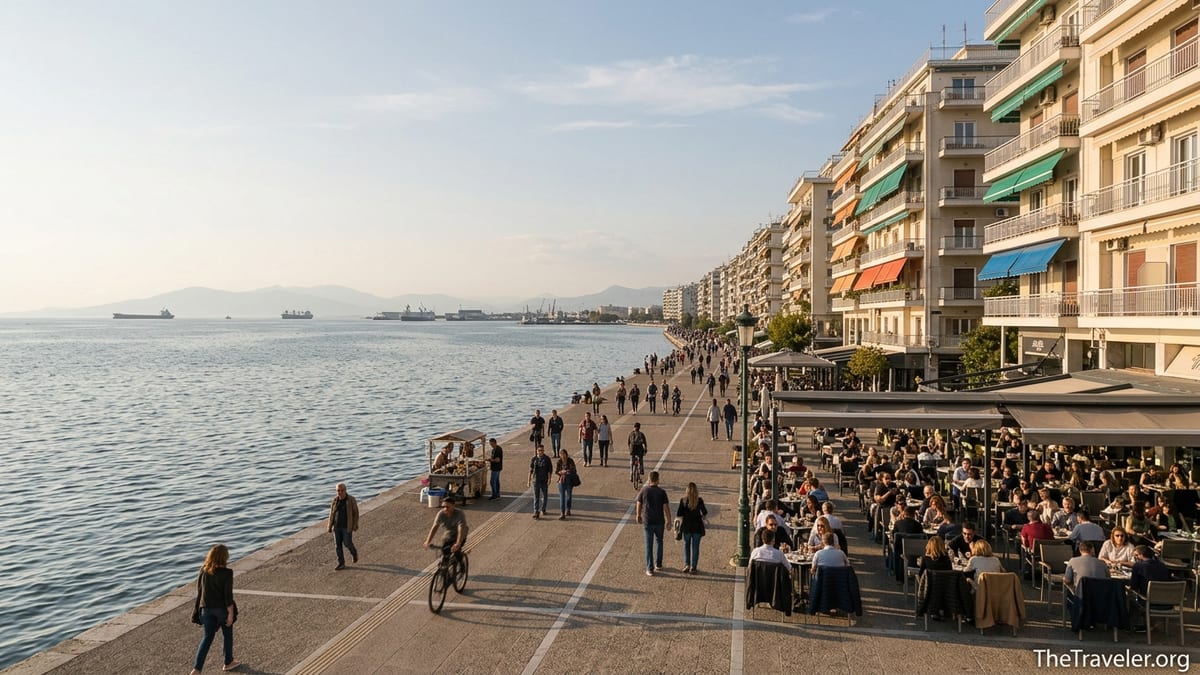
Thessaloniki sits on the Thermaic Gulf in northern Greece, with a climate that mixes Mediterranean sunshine and slightly cooler northern influences. Summers are hot and dry, with average maximums around the low 30s Celsius in July and August, and winters are relatively mild but damp, with daytime highs often in the single digits and low teens. Spring and autumn are the sweet spots for most visitors, when temperatures tend to hover from the mid-teens to mid-twenties and the waterfront promenade is lively without being swamped.
Tourism follows a classic southern European pattern. July and August are peak months, when domestic visitors and Balkan travelers flood the city on their way to the Chalkidiki and Pieria coasts, and hotel prices rise accordingly. By contrast, November to March is low season for leisure tourism even though the city stays busy with students and business travel. If you are chasing lower prices, quieter museums, and more attentive service in tavernas, those shoulder and off-season months are where you will find them.
Because Thessaloniki is a working port and university hub, it never fully “shuts down” in winter like some Greek islands. You can sit in a cafe on Aristotelous Square in January, watch locals strolling the seafront, and still find excellent food and nightlife. The main seasonal trade-offs are outdoor comfort, beach access, and whether festival calendars are in full swing.
Spring (March to May): Mild Weather and Lower Prices
Spring is one of the most balanced times to visit Thessaloniki. By late March and April, daytime temperatures usually climb into the mid-teens to low twenties Celsius, with cool evenings that still call for a light jacket. Rain is possible, especially in March, and locals often describe it as an unpredictable month, but by May the odds tilt strongly toward sunny days and comfortable evenings for outdoor dining along the waterfront.
Hotel demand is moderate in spring. You can often find mid-range double rooms near the city center in April for noticeably less than in July and August. For instance, standard rooms in central business-style hotels that might run at high-summer rates in peak season are typically more affordable in April or early May, especially on weekdays. Budget travelers can secure simple pensions or family-run guesthouses in neighborhoods like Ano Poli or Vardaris at rates that would be difficult to match in August.
Spring suits food-focused travelers. The city’s markets such as Modiano and Kapani fill with early-season produce, including wild greens, artichokes, and strawberries. Taverns in areas like Ladadika and Kalamaria start to open their outdoor tables, though evenings can still be chilly in March. This is an ideal time to book a long lunch of grilled sardines, spring salads, and local white wine at a seafront taverna in Kalamaria, then walk it off along Nea Paralia without summer heat slowing you down.
For cultural events, early spring brings the Thessaloniki Documentary Festival in March, which draws filmmakers and cinephiles from around the world and adds buzz to cafes and bars near the port’s warehouse cinemas. By May, open-air events begin to appear, such as early editions of outdoor theatre and music programs that extend into the summer, alongside the start of seasonal rooftop cinema screenings at venues like the Thessaloniki Concert Hall complex. Beach trips are more about walking than swimming; Halkidiki’s waters are still fresh in April, but on a bright day, a rental car or bus ride to spots like Nea Kallikrateia or Epanomi offers quiet sand and clear views without the crowds.
Summer (June to August): Heat, Crowds, and Beach Escapes
Summer in Thessaloniki is hot and energetic. From late June through August, daytime highs frequently sit around 30 degrees Celsius or higher, especially in July and August. Humidity can make the city feel warmer, particularly in the built-up center. Sea breezes along Nea Paralia help in the evenings, when locals head out for cold freddo espresso or cocktails at seafront bars, but midday sightseeing around the Roman Forum or the Rotunda can feel intense under direct sun.
June offers the most comfortable blend of warmth and bearable heat. Many locals consider it the best overall month for nearby beaches, with sea temperatures pleasant and daytime highs less severe than in late July. You might hop on a morning KTEL bus from Thessaloniki to a first-leg Halkidiki village like Nea Moudania or Afytos, spend the day swimming and eating grilled fish, then return in the evening without contending with the August crush. By contrast, late July and especially mid-August coincide with Greek vacation season, when highways to Halkidiki back up, beach bars from Kassandra to Sithonia fill with sunbeds, and accommodation prices along the coast spike.
In the city itself, July and August see the highest hotel prices. Central boutique hotels around Aristotelous Square, Ladadika, and the port commonly command their top rates, and last-minute bargains are rarer. That said, compared with the Greek islands, Thessaloniki can still feel like decent value. You may find that a modern, air-conditioned city-center room costs roughly what a more basic island guesthouse does at the same time of year. Budget travelers should look at neighborhoods slightly uphill or farther from the waterfront, where simple rooms remain more attainable even in peak season.
Summer is the best time if your heart is set on combining Thessaloniki with serious beach time. Regular buses and private transfers connect the city to Halkidiki’s three peninsulas, known locally as legs. Families often choose Kassandra for easy access and resort facilities, while those seeking quieter turquoise coves head to Sithonia. Spending three nights in Thessaloniki for food and nightlife, then five or more nights based in Nikiti or Vourvourou on Sithonia, is a classic itinerary. Back in the city, open-air concerts, rooftop cinema nights, and waterfront events animate the evenings, and street life around Navarinou Square and the university district goes late into the night.
Autumn (September to November): Food, Festivals, and Softer Light
Autumn might be the single most appealing season for many visitors. September in Thessaloniki often behaves like an extension of summer, with daytime temperatures still comfortably in the mid to high twenties Celsius and sea temperatures warm from the preceding months. This is a prime time for combining city exploration with late-season beach days. Local tourism workers and frequent visitors often praise late September in Halkidiki for its still-warm sea, quieter beaches, and more relaxed pace compared with August.
By October, days become milder and evenings cooler. You may find yourself wearing short sleeves at midday and a light jacket at night, perfect conditions for wandering between the White Tower, the seafront promenade, and the upper town’s viewpoints. Rain showers become more likely, but extended downpours are less common than in winter. Hotel prices usually drop from their summer peak, particularly after the first week of September, making it easier to secure a central hotel or stylish guesthouse at more moderate rates. Business hotels may fill during conferences and trade fairs, but leisure visitors typically benefit from better availability.
Autumn is also festival season. The city’s long-running Dimitria Festival typically fills the calendar from early autumn into winter with theatre, concerts, exhibitions, and street events across central venues. In November, the Thessaloniki International Film Festival takes over cinemas and converted port warehouses, drawing a mix of Greek and international visitors, film students, and directors. Even if you are not focused on cinema, the festival’s atmosphere spills into bars and restaurants around Ladadika and the port, where you might find impromptu gatherings of festival-goers sharing plates of meze and local wine late into the night.
Food travelers should strongly consider October and November. Markets and tavernas shift into autumn produce, with dishes like slow-cooked beef with eggplant, pumpkin pies, and hearty bean stews appearing on menus. Wine bars pour new vintages from the vineyards of Naoussa and Drama, both reachable on day trips for those interested in wine tourism. Sightseeing conditions are excellent: you can explore the Archaeological Museum, Ano Poli’s Byzantine walls, and the city’s numerous churches without the heat haze of summer, and photography benefits from softer afternoon light and often clearer air.
Winter (December to February): Low Prices and Cozy Urban Life
Winter in Thessaloniki is cooler than in southern Greek destinations but rarely extreme. Daytime temperatures typically range from around 5 to 12 degrees Celsius, with more frequent rain and occasional frost at night, especially in outlying areas. Snow in the city center is uncommon and usually short-lived when it does occur. Cold, clear days are ideal for walking the seafront or up to the Trigonion Tower in Ano Poli, while wet days are perfect for museums, cafes, and long meals indoors.
From a budget perspective, this is the season of lowest hotel prices outside major holidays and big trade fairs. Travelers can frequently find substantial reductions on centrally located hotels, including well-known chains and design properties that charge much more in August. For example, the same double room overlooking Aristotelous Square that sells at a premium in peak summer may be available at a markedly reduced winter rate, sometimes including breakfast and flexible cancellation as part of seasonal promotions aimed at domestic weekenders.
Thessaloniki’s food culture arguably shines brightest in winter. Rich stews, grilled meats, and oven-baked pasta dishes dominate menus, and sweet shops offer syrupy pastries and warm bougatsa filled with cream or cheese. On a cold evening, locals pack into meze restaurants in neighborhoods like Ano Poli and around Bit Pazar, where live rebetiko or laiko music sometimes accompanies shared plates and carafes of tsipouro. Nightlife remains active, thanks to the city’s large student population: bars in the Valaoritou and Ladadika areas fill up late, even in January.
Festively minded visitors might appreciate December, when the city decorates public squares and shopping streets for Christmas and New Year. While Thessaloniki does not have the heavy tourist overlay of some central European Christmas markets, central hotels and restaurants running holiday menus can still feel special. Winter is also the season for excursions to nearby mountains and thermal spa towns. A day trip to the foothills of Mount Olympus or to Loutra Pozar for hot springs is practical from Thessaloniki, offering a completely different side of northern Greece compared with the beach-oriented summer experience.
Weather, Crowds, and Prices by Season
Thinking in practical terms, the main variables most travelers balance are temperature, crowd levels, and cost. If you prioritize comfortably warm weather for walking and sightseeing, April to early June and late September to late October usually hit the sweet spot. You can stroll the length of the waterfront, climb to the Byzantine walls, and sit at an outdoor cafe in the late afternoon without constantly seeking shade or layers. Solar intensity is lower than in high summer, but daylight hours remain long enough to fit in relaxed itineraries.
For crowd levels, July and August bring the heaviest pressure, both in Thessaloniki and on nearby coasts. The city fills with people transiting to and from Halkidiki and other northern beaches, and popular areas like Aristotelous Square, Ladadika, and the White Tower promenade can be busy well into the night. At the same time, office workers and students departing for holidays means that some mornings feel quieter in business districts. Shoulder seasons see fewer group tours and less competition for museum space, and in winter you may have entire sections of the Archaeological Museum largely to yourself outside school trips.
Price-wise, broad patterns follow the Mediterranean norm: July and August are most expensive, especially around mid-August when Greek holidays peak; late spring and early autumn are moderate; and winter, excluding key events and holiday periods, is least expensive. This applies not only to hotels but also to short-notice domestic flights linking Thessaloniki with Athens and islands, and to car rentals for trips to Halkidiki or inland Macedonia. Travelers willing to accept variable weather in March or November often find the best combination of availability, price, and a still-active urban scene.
Restaurant prices, by contrast, are relatively stable across the year, though some seaside tavernas in Halkidiki operate seasonally and raise prices in peak months. In Thessaloniki itself, you can expect year-round access to affordable gyros shops and bakeries selling koulouri and bougatsa, mid-range taverns serving grilled seafood and meze, and higher-end restaurants pushing local ingredients and modern Greek cuisine. Seasonal differences are more about what is on the plate than the size of the bill.
Outdoor Dining, Nightlife, and Festivals Through the Year
Outdoor dining is a defining feature of Thessaloniki, and its quality shifts with the seasons. From late April to October, cafes and tavernas expand onto sidewalks and squares, particularly around Ladadika, the waterfront, and Ano Poli’s terraces. In June and September, evenings can be ideal: warm enough to linger past midnight, but not so hot that you are uncomfortable over a long meal. In July and August, most venues offer shade, fans, or misters, but those sensitive to heat may prefer late dinners starting after 9 pm when the sun is low.
Nightlife never really pauses, but its character changes. During the academic year, roughly October to June, university students drive much of the energy. Bars and clubs in Valaoritou and around Kamara buzz on weeknights as well as weekends, and live music venues book Greek rock, jazz, and traditional acts. In mid-summer, nightlife shifts a little toward the seafront and rooftop spaces, with pop-up events, DJ nights, and occasional large concerts at waterfront venues and the city’s concert hall complex. Even in quietest January, you will find lively bars near the waterfront, they just fill later and feel more local.
Festival lovers can plan trips around specific events. In March, the Thessaloniki Documentary Festival brings international documentaries, industry panels, and late-night discussions to cinemas and cafes. Autumn is dominated by the Thessaloniki International Film Festival in November, which transforms the port area into a walking distance cluster of screenings and pop-up meeting points. From September onward, the Dimitria Festival scatters theatre, dance, and art events across the city, often in historic venues. In summer months, programs such as open-air cinema on rooftops and festivals like the Forest Festival bring performances to outdoor spaces, offering a mix of Greek and international productions under the night sky.
All of this means you can land in Thessaloniki in almost any month and encounter some kind of cultural life beyond standard sightseeing. The main difference is whether it happens indoors or outdoors, and whether you walk to your hotel afterward under a crisp night sky or in short sleeves with the scent of the sea in the air.
Combining Thessaloniki With Halkidiki and Other Nearby Escapes
For many travelers, the question is not just when to visit Thessaloniki but when it best combines with Halkidiki or other nearby destinations. The high beach season along Halkidiki’s three legs runs roughly from early June to mid-September, with July and August busiest. If you want reliably warm sea temperatures and fully open beach bars, June to early September is the safest bet. If you prefer space on the sand and slightly cooler days, early June and the first three weeks of September are especially attractive.
A common itinerary is to fly into Thessaloniki, spend two or three nights in the city exploring its UNESCO-listed churches, Ottoman-era markets, and waterfront, then pick up a rental car for four or more days in Halkidiki. Kassandra offers resort infrastructure, nightlife, and family-friendly beaches; Sithonia is favored for quieter coves and scenic drives; and the third leg, Athos, is more about monastic life and boat tours along the coast. In shoulder seasons like May or early October, some smaller resorts may operate on reduced schedules, but the trade-off is low hotel prices and uncrowded beaches ideal for walks rather than sunbed culture.
Other nearby escapes align well with specific seasons. In winter, a day trip to the thermal springs of Loutra Pozar or a weekend near Mount Olympus suits cooler weather and low accommodation costs. In spring and autumn, wine regions like Naoussa and Goumenissa welcome visitors for tastings and vineyard walks without summer heat. Whether you are in Thessaloniki primarily for the city or as a gateway, the timing of your trip will shape which side trips feel practical and rewarding.
The Takeaway
There is no single best month to visit Thessaloniki, only a best fit for your priorities. If you are coming primarily for food, culture, and comfortable walking weather, April to early June and late September to November usually provide the best blend of mild temperatures, reasonable hotel prices, and active city life. If you want to pair Thessaloniki with serious beach time in Halkidiki, target June and early September for warm seas with fewer crowds, or accept the higher prices and busier roads of July and August for peak summer energy.
Budget-conscious travelers who do not mind cooler weather and shorter days can take advantage of winter’s low hotel rates and cozy urban atmosphere, with rich cuisine, active nightlife, and indoor cultural events. Whatever your choice, Thessaloniki’s role as a lived-in city rather than a purely seasonal resort means you will always find good coffee, serious food, and an active street life waiting for you, even when the summer crowds have gone.
FAQ
Q1. What is the best month to visit Thessaloniki overall?
Many travelers find May, June, September, and October the most comfortable months, with warm but not extreme temperatures, moderate prices, and plenty of cultural events.
Q2. When is the cheapest time to visit Thessaloniki?
Generally, late November through February offers the lowest hotel rates, except around Christmas, New Year, and major trade fairs, when demand can briefly push prices up.
Q3. Can I swim near Thessaloniki in spring or autumn?
By late May and through September, sea temperatures at beaches near Halkidiki and the Thermaic Gulf are usually warm enough for most swimmers, with September often especially pleasant.
Q4. Is Thessaloniki too hot to visit in July and August?
It can be very hot in the city center at midday during July and August, but evenings are more comfortable, and many visitors use Thessaloniki as a base or gateway to cooler beach locations.
Q5. Are restaurants and nightlife open in winter?
Yes. Thessaloniki is a working city with a large student population, so tavernas, cafes, and bars operate year-round, though more activity shifts indoors in winter months.
Q6. When are the main festivals in Thessaloniki?
The Thessaloniki Documentary Festival takes place in March, the Dimitria Festival runs in autumn, and the Thessaloniki International Film Festival is usually held in November.
Q7. What is the best season for food lovers?
Autumn and winter are excellent for hearty, slow-cooked dishes and wine, while spring and early summer highlight fresh vegetables, seafood, and lighter meze enjoyed outdoors.
Q8. How far is Halkidiki from Thessaloniki, and when should I go?
The first resorts of Halkidiki are roughly an hour to ninety minutes away by car or bus, and the core beach season runs from June to mid-September, with June and early September less crowded.
Q9. Will museums and archaeological sites be open in low season?
Major sites and museums, such as the Archaeological Museum and the Museum of Byzantine Culture, stay open year-round, though opening hours may be shorter in winter.
Q10. Is Thessaloniki a good city break destination for a long weekend?
Yes. In almost any season, three to four days is enough time to explore the historic center, enjoy local cuisine, sample nightlife, and, in warmer months, slip in a short beach or wine-country trip.