


Greece is one of the world’s most visited countries, drawing more than 30 million travelers a year with its whitewashed islands, ancient ruins and long summers. Yet record-breaking heat waves, surging visitor numbers and rising prices mean the classic “Greek island dream” is not automatically a good fit for every traveler or every season. This guide looks at real conditions on the ground, from ferry prices to family-friendliness, to help you decide if Greece is worth visiting for your style, budget and timing.
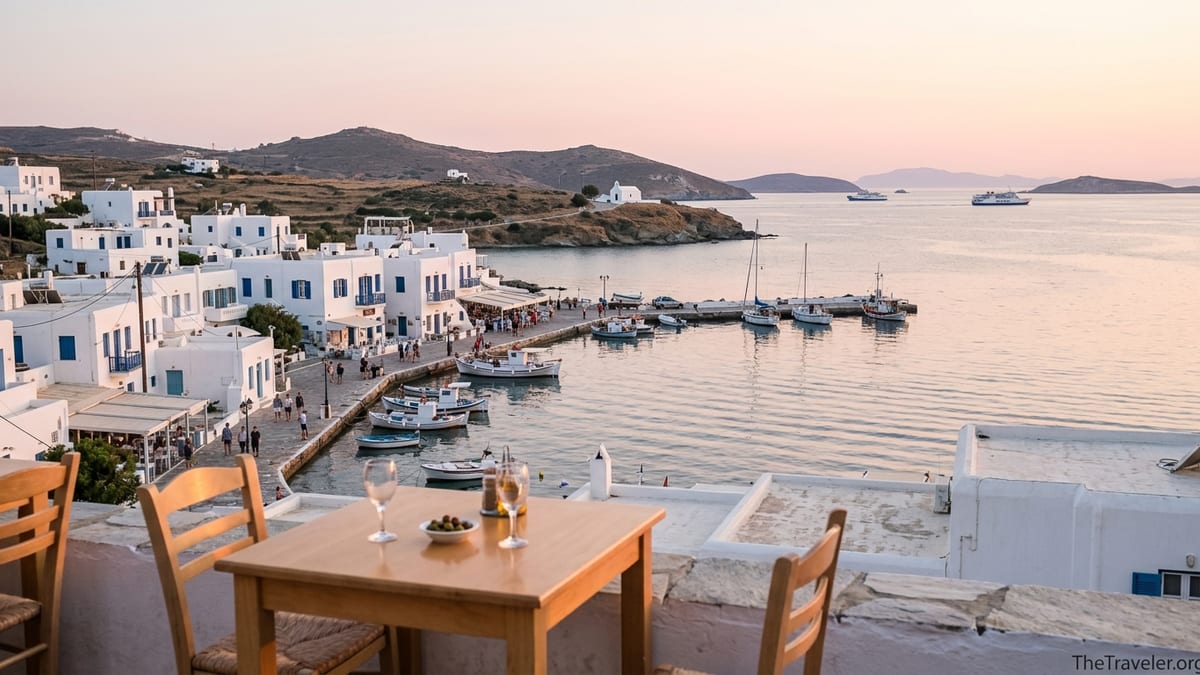
How Greece Actually Feels Right Now
Greece is in a boom period. Recent figures from Greek tourism authorities show visitor numbers and tourism spending at all-time highs, with well over 30 million international arrivals in 2023 and another record season forecast for 2024. In practical terms, that means popular islands such as Santorini and Mykonos can feel extremely busy from June through early September, with cruise ship passengers, package tours and independent travelers all competing for the same narrow alleys and sunset viewpoints. In Oia on Santorini, it is normal in July for streets to become almost gridlocked around sunset as thousands of people jostle for photos.
At the same time, the climate is changing the travel experience. In June and July 2024, Greece experienced one of its longest heatwaves on record, with temperatures in Athens and many islands frequently rising above 38 degrees Celsius in the afternoon. Authorities temporarily closed the Acropolis during the hottest midday hours on several days, and there were widely reported cases of hikers in Crete and the Dodecanese getting into serious trouble after underestimating the heat. If you plan to travel in high summer now, you need to think about heat management in the same way you would plan for winter cold in northern destinations.
Despite these challenges, satisfaction remains high for travelers who match their itinerary and timing to the realities on the ground. Those who visit in May, early June, late September or October often describe empty archaeological sites, warm but manageable temperatures and more relaxed island atmospheres. Many repeat visitors have quietly shifted their trips out of peak season, returning year after year for shoulder-season sunshine even as they avoid the most crowded and hottest months.
The question is not simply whether Greece is “worth it” but whether it is worth it for you, this year, with your priorities. The rest of this guide walks through beaches, history, food, nightlife, island hopping and practical constraints so you can make a grounded decision.
Beaches, Water and Landscapes
Greece’s beaches are a major reason many people go, and they are genuinely varied. On Zakynthos, the shipwreck cove of Navagio has sheer cliffs and electric-blue water, while on Naxos the long, shallow sands at Agios Prokopios and Plaka are ideal for families with small children. Crete alone offers everything from pink-tinted sands at Elafonisi to wild, pebbly coves like Sfakia and the dramatic gorge-side beach at Agia Roumeli. Even near Athens, the Saronic Gulf islands of Aegina and Hydra give city-breakers access to swimmable water within a couple of hours of landing.
However, not every Greek beach fits the postcard image. Many are pebble rather than sand, and in July and August, the famous ones can be packed with sunbeds rented by beach clubs. On sections of Mykonos’ Psarou or Super Paradise beaches, for example, it is common to pay a substantial fee for a pair of loungers and an umbrella, and you may need to reserve in advance. If you prefer quieter, more natural settings, you may be happier on islands such as Milos, Amorgos or Ikaria, where access sometimes involves a short hike or gravel road but the coves feel far less commercialized.
Sea conditions also matter. The Meltemi winds in the Aegean, which blow strongly from roughly July through early September, can make some north-facing beaches choppy and cool the air. On Paros and Naxos, you will see windsurfers and kitesurfers taking full advantage, especially at spots like Mikri Vigla. For families with small children, this can make the leeward, south-facing beaches more attractive on blowy days. In the Ionian islands such as Corfu, Lefkada and Kefalonia, seas are often calmer and more sheltered in summer, which some travelers find more relaxing for swimming and paddle-boarding.
If beaches are central to your decision, it is worth being specific. Travelers who want a long sandy bay with shallow water and a low-key promenade could choose somewhere like Parga on the mainland or Koukounaries on Skiathos. Those who dream of dramatic cliff scenery might prioritize Milos or Zakynthos, but should be prepared for boat tour dependence and possible cancellations in rough seas. Matching your preferred beach style to particular islands makes the difference between “nice but crowded” and “exactly what I came for.”
History, Culture and Food
For many visitors, Greece’s historic sites alone justify the trip. Standing in front of the Parthenon on the Acropolis, wandering through the stadium at ancient Olympia or exploring the palace of Knossos in Crete can be deeply moving, especially if you have any interest in classical history or mythology. In Athens, the Acropolis Museum and National Archaeological Museum house world-class collections, and in Thessaloniki, Byzantine churches and Roman ruins give a layered sense of the city’s long past. On Delphi’s terraced slopes above the Gulf of Corinth, the combination of ruins and mountain scenery feels almost cinematic in the early morning light.
However, these sites are no longer under-the-radar experiences. From May to October, large cruise groups and coach tours arrive daily. At the Acropolis, timed ticketing systems now spread entries across the day, but queues can still be long in mid-morning. In summer heat, climbing the marble steps at midday can be punishing. Many travelers now plan museum and site visits early in the day, then retreat to shaded cafes or their hotels during the hottest hours. If your main motivation is history, visiting in March, April, late October or November can deliver a much more comfortable and contemplative experience, with mild temperatures and thinner crowds.
Greek food is another major draw and often a pleasant surprise for budget-conscious travelers. In a mid-range taverna in a neighborhood like Koukaki in Athens or in the backstreets of Chania’s old town, a couple can usually share a salad, a plate of grilled meat or fish, a vegetable dish such as briam or gemista, and house wine for a moderate price compared with northern Europe. Simple dishes like souvlaki wraps, spanakopita or a slice of savory pie from a bakery can still be very affordable, especially away from the most touristed squares. On the islands, you will pay more at waterfront restaurants, but prices drop quickly if you step a few streets inland.
The food experience changes depending on how far you stray from the biggest tourist centers. On Santorini’s caldera rim, for example, you may pay a premium for the view, while in a village on Tinos or Ikaria you can linger for hours over meze plates and local wine at a fraction of the cost. If you enjoy wine, regions such as Santorini, Nemea in the Peloponnese or Naoussa in northern Greece offer winery visits and tastings that can be woven into a broader itinerary. For many travelers, discovering that Greece is as much about slow lunches in shaded courtyards and late-night cafe culture as it is about sightseeing is a key part of why the country feels worth returning to.
Nightlife, Island Hopping and Trip Logistics
Greece’s nightlife reputation is mixed, because it depends heavily on where you go. Mykonos and parts of Corfu, Ios and Zakynthos are known for late-night clubs, beach parties and crowded bars, often drawing younger travelers in July and August. In contrast, islands like Sifnos, Folegandros or Alonissos are much quieter after midnight, with just a handful of bars and low-key cafes. In Athens, the nightlife is concentrated in neighborhoods such as Psyrri, Exarchia and Gazi, with rooftop bars offering Acropolis views and music scenes ranging from electronic to traditional rembetiko.
Island hopping remains one of Greece’s signature experiences, but it is not as cheap or spontaneous as it once was. High-speed ferries between Athens (usually Piraeus or Rafina) and popular islands like Santorini or Mykonos can cost a substantial amount per person each way in peak season, depending on the company and speed of the vessel. Slower conventional ferries are cheaper but take longer, and all ferries can be affected by strong Meltemi winds, leading to delays or cancellations. On smaller islands, local routes may run only a few times per week, so you need to check schedules before building an ambitious chain of stops.
Within islands, transportation can be a real constraint. On larger islands such as Crete, Rhodes or Naxos, bus networks link main towns and some beaches, but frequencies drop outside summer and routes rarely operate late at night. Car rentals can be in short supply in July and August, and prices rise accordingly. Many travelers end up combining one or two island bases with day trips rather than attempting to visit five or six islands in ten days. A realistic and enjoyable first-time itinerary might look like three nights in Athens, five or six nights on one island such as Naxos, Paros or Crete, and if time allows, three nights on a second, nearby island.
Booking ahead is increasingly important. In peak months, popular ferries, rental cars and mid-range hotels frequently sell out or leave only expensive last-minute options. On smaller islands with limited water supplies and infrastructure, authorities have started asking visitors to be more mindful of consumption, and in some cases there have been temporary water restrictions at the height of summer. If you are attracted by the idea of wandering from island to island without plans, consider doing so in May, June or late September, when flexibility is still feasible and the seas are usually warm enough for swimming.
Who Greece Is Best For: Families, Couples and Solo Travelers
Greece works especially well for families who prioritize simple days on the beach, relaxed meals and short sightseeing bursts rather than intense museum itineraries. Islands like Naxos, Paros, Skiathos and parts of Crete offer shallow, sandy beaches, family-friendly resorts and plenty of casual tavernas where children are welcomed. Many apartments and small hotels are run by families who live on site, and it is common to find playgrounds near main squares where local children play late into the evening. The main challenge for families in high summer is the heat, so proximity to the beach, access to shade and a flexible schedule that allows for long midday breaks become more important than packing the day with activities.
For couples, Greece offers a wide spectrum, from high-end honeymoon experiences to quiet, low-key escapes. Santorini’s cliffside suites with plunge pools and sunset views remain hugely popular with honeymooners, but they command premium prices and can feel crowded outside the hotel gates in peak season. Couples who want romance without the crush increasingly look to islands like Folegandros, Koufonisia, Symi or Serifos, where sunsets are just as dramatic but the number of cruise groups is far lower. A typical day might involve a morning hike or boat trip, a long lunch by the sea, an afternoon swim and a slow dinner in a village square.
Greece can be a rewarding destination for solo travelers, but it is less backpacker-centric than some parts of Southeast Asia or Latin America. Hostels exist in Athens, Thessaloniki and a handful of islands like Santorini and Ios, though not everywhere. Solo visitors often gravitate toward places with small, walkable old towns and visible cafe culture, such as Chania in Crete, Nafplio in the Peloponnese or Naxos Town. Safety is generally good, and violent crime against tourists is rare, though standard big-city precautions apply in Athens, especially around busy transit hubs late at night. For solo hikers, summer heat and a series of recent high-profile incidents have underlined the need to start early, carry more water than you think you need and avoid remote trails in the hottest hours.
If your idea of a successful trip involves meeting other travelers, booking small-group activities can help. Sailing day trips in the Cyclades, cooking classes in Athens or wine tours in Santorini and Crete naturally bring people together. Many solo travelers also find that staying in family-run pensions and chatting with owners and regulars in neighborhood cafes yields a more authentic and less lonely experience than large, anonymous resorts.
Costs, Crowds, Heat and Ideal Trip Length
Prices in Greece have risen in recent years, especially in the most popular islands and peak weeks, though the country can still feel relatively good value compared with northern Europe or some parts of Italy. A basic but clean double room in a non-luxury hotel on a popular island in July might cost anywhere from budget to mid-range per night, depending on location and amenities, while in May or October you can often find the same room for noticeably less. In Athens, neighborhood hotels away from the Acropolis area tend to be more affordable, yet still within a short metro ride or walk of major sights.
Daily costs vary by travel style. A budget-conscious traveler who chooses simple rooms, uses public buses, eats at bakeries and casual tavernas, and limits organized tours can still keep daily expenses relatively low in shoulder season. A traveler who prefers seafront hotels, beach clubs, frequent taxis and fine dining in places like Mykonos Town or Oia will spend several times more. One point that often surprises visitors is the cost of internal transport: multiple high-speed ferry legs or domestic flights can add up quickly, especially for a family.
Crowds and heat have become the defining issues of peak season. In July and August, narrow lanes in Oia, Mykonos Town or parts of Rhodes’ old town can feel as congested as any major city center. Archaeological sites see lines forming well before opening. Heatwaves now routinely push daytime temperatures to levels where authorities issue health warnings and temporarily close exposed hilltop ruins in the early afternoon. Travelers with health conditions, small children or low tolerance for extreme heat may find high-summer Greece more stressful than enjoyable, and might be better served by traveling in May, early June or from late September into October, when sea temperatures remain pleasant but the air is cooler.
For most first-time visitors, an ideal Greece trip length is roughly 10 to 14 days. That allows two or three nights in Athens, a week on one main island base and, if desired, a few nights on a second island or a mainland town such as Nafplio. Trying to fit Athens, Meteora, multiple Peloponnese sites and three islands into a single week almost always leads to frustration, as you spend more time in transit than on beaches or at cafes. Returning visitors often use a similar time frame to focus deeply on one region, such as a two-week road trip in the Peloponnese or a combination of Thessaloniki, Halkidiki and nearby islands.
Greece vs Italy, Spain and Croatia
Many travelers compare Greece with Italy, Spain and Croatia when deciding where to spend a limited vacation. All four offer Mediterranean coasts, historic towns and strong food cultures, but they deliver different atmospheres. Greece generally feels a bit more relaxed than Italy’s most famous cities, with fewer strict dress codes and a slower pace in smaller towns. On the other hand, Italy’s train network is more extensive and reliable, making multi-city itineraries easier without renting a car. If you want to move quickly between major urban centers and secondary towns, Italy’s rail system is a strong advantage.
Compared with Spain, Greece has fewer large coastal cities and more small island communities. Spain’s Costa del Sol or Costa Brava are dominated by big resort strips and well-developed infrastructure, while many Greek islands still revolve around a main port town and scattered villages. If nightlife and urban culture are your main priorities, Spanish cities like Barcelona, Madrid or Valencia may serve you better, with dense museums, galleries and late-night bars. Greece’s urban offerings are more concentrated in Athens and Thessaloniki, with the rest of the country leaning coastal and small-town.
Croatia is perhaps Greece’s closest rival in the “islands and historic towns” category, with destinations like Dubrovnik, Split and Hvar drawing similar crowds. Croatia’s Adriatic coast has beautiful water and medieval stone towns, and driving along the coast can be easier than navigating Greece’s island networks. However, Greece has a wider spread of islands with distinct characters, from the whitewashed Cyclades to the forested Sporades and the rugged Dodecanese. Travelers who value variety and the chance to find a less-visited island might lean toward Greece, while those who prefer one long coastal road trip might favor Croatia.
Climate is an emerging differentiator. All four countries now face hotter summers, but Greece’s heatwaves and wildfire seasons have been particularly intense in recent years, leading to temporary site closures and, in some cases, evacuations from islands affected by fires. If you are traveling in July or August and are particularly heat-sensitive, you might consider milder Atlantic-facing regions in Spain or northern Italy’s lakes as alternatives, or shift your Greek trip to spring or autumn instead of canceling it outright.
The Takeaway
Greece is worth visiting for many travelers, but not unconditionally and not at any time of year. Its beaches, islands, historic sites and food culture continue to offer some of Europe’s most memorable travel experiences, especially when you choose your destinations and dates with care. Those who thrive in busy, hot summer atmospheres, enjoy nightlife and are prepared to pay for convenience often still love July and August on marquee islands like Mykonos and Santorini.
However, if you dislike extreme heat, crowds or high prices, you may find peak-season Greece frustrating. The country shines brightest in the shoulder seasons, when ferries and hotels are still running but the mercury and visitor numbers are lower. Families, couples and solo travelers who build relaxed itineraries, limit island hops and allow for midday breaks usually come home happiest. The decision is not whether Greece is objectively “better” than Italy, Spain or Croatia, but which destination best matches your current travel style, budget and tolerance for heat and crowds.
If you dream of sea swims in clear water, long lunches at simple seaside tavernas, sunset light on ancient stones and the freedom to do little more than wander from village square to beach and back again, Greece is still a compelling choice. By approaching it with realistic expectations, a focus on shoulder seasons and a willingness to slow down, you can tilt the odds strongly in favor of a trip that feels not just worthwhile, but unforgettable.
FAQ
Q1. Is Greece still worth visiting in the peak summer months?
Yes, but with caveats. July and August now bring intense heat, very high demand and premium prices on famous islands. If you tolerate heat well, book air-conditioned accommodation, plan outdoor sightseeing for early morning or evening, and spend midday near the sea or in shaded cafes, you can still have a great trip. Travelers who are sensitive to heat or crowds are usually happier visiting in May, June, late September or October.
Q2. How expensive is Greece compared with Italy or Spain?
Overall, everyday costs in Greece can feel slightly lower than in major Italian or Spanish cities, especially if you eat at local tavernas and stay in small family-run hotels. However, top Greek islands such as Santorini and Mykonos are now firmly in the same price bracket as upscale parts of Italy and Spain in peak season. You can keep costs down by focusing on less-hyped islands, traveling in shoulder season and limiting the number of high-speed ferry journeys.
Q3. Which Greek islands are best for first-time visitors?
For a first trip, islands with good transport links, a mix of beaches and towns, and plenty of accommodation choices work best. Naxos, Paros and Crete are popular because they combine attractive beaches, historic sites and reasonably good bus networks. Santorini is iconic for views and wine but is not ideal if your main interest is long sandy beaches. If you prefer quieter atmospheres, consider islands like Sifnos, Milos or Symi after you have experienced one of the better-connected hubs.
Q4. Is Greece suitable for family travel with young children?
Yes. Greek culture is generally very welcoming to children, and many islands have shallow, sandy beaches and relaxed tavernas where families feel comfortable lingering. The main challenges are heat and logistics. Staying close to the beach, choosing accommodation with shade and possibly a pool, and avoiding long midday hikes or city walks in July and August will make family trips much smoother. Shoulder-season travel is often ideal for families with flexible schedules.
Q5. How many islands should I include in a 10-day trip?
For most travelers, two islands plus a short stay in Athens is the upper limit for a relaxed 10-day itinerary. A common pattern is two or three nights in Athens, then five or six nights on one main island, with the option of adding a nearby second island if ferry schedules are convenient. Trying to fit three or four islands into 10 days usually leads to more time on ferries and in ports than on beaches or in villages.
Q6. Do I need to worry about wildfires and heatwaves when planning?
You should be aware of them, especially for July and August trips, but they should not automatically deter you. In recent summers, Greece has dealt with serious heatwaves and localized wildfires, sometimes leading to temporary site closures and, in rare cases, evacuations. The best approach is to book flexible accommodation where possible, stay informed through local news and your hotel, avoid strenuous hiking in extreme heat and have backup plans that do not depend on one specific outdoor activity on a particular day.
Q7. Is Greece a good destination for solo travelers?
Generally yes. Greece is relatively safe, and its cafe culture, small towns and island communities make it easy to strike up conversations. Solo travelers may find it easiest to base themselves in Athens, Thessaloniki or on islands with clear tourist infrastructure and some hostel or small-hotel options. Joining small-group day tours, cooking classes or sailing trips is a good way to meet people. As with any destination, solo travelers should use standard precautions, especially at night in larger cities.
Q8. What is the best time of year to visit Greece for milder weather?
For comfortable temperatures and swimmable seas without the most extreme heat, late May, early June and late September into October are strong choices. In these periods, daytime highs are typically warm rather than oppressive, the sea is pleasant for swimming, most island businesses are open and crowds are thinner than in peak summer. If your focus is primarily cultural sightseeing rather than beaches, March, April and November can also be rewarding, especially in Athens and on the mainland.
Q9. How difficult is it to get around Greece without renting a car?
In Athens and Thessaloniki, public transport and walking work well. Between islands and coastal towns, ferries and some domestic flights provide good connectivity, especially in summer. On larger islands and in rural mainland areas, public buses exist but may not reach all beaches or villages frequently. Travelers who are comfortable with basic planning can often rely on buses and occasional taxis, but those who want maximum flexibility for remote beaches, gorges or villages will find a rental car on at least one leg of the trip very useful.
Q10. If I am torn between Greece and Croatia, which should I choose?
Choose Greece if you are excited by the idea of distinct islands with different characters, a strong taverna culture and a mix of ancient sites and beach time. Choose Croatia if you prefer a single long coastal route with medieval stone towns, easier car-based exploration and fewer ferry legs. Both offer clear water and historic architecture, but Greece generally provides more variety in island landscapes and local cultures, while Croatia offers a more linear, road-trip-friendly coastline.