


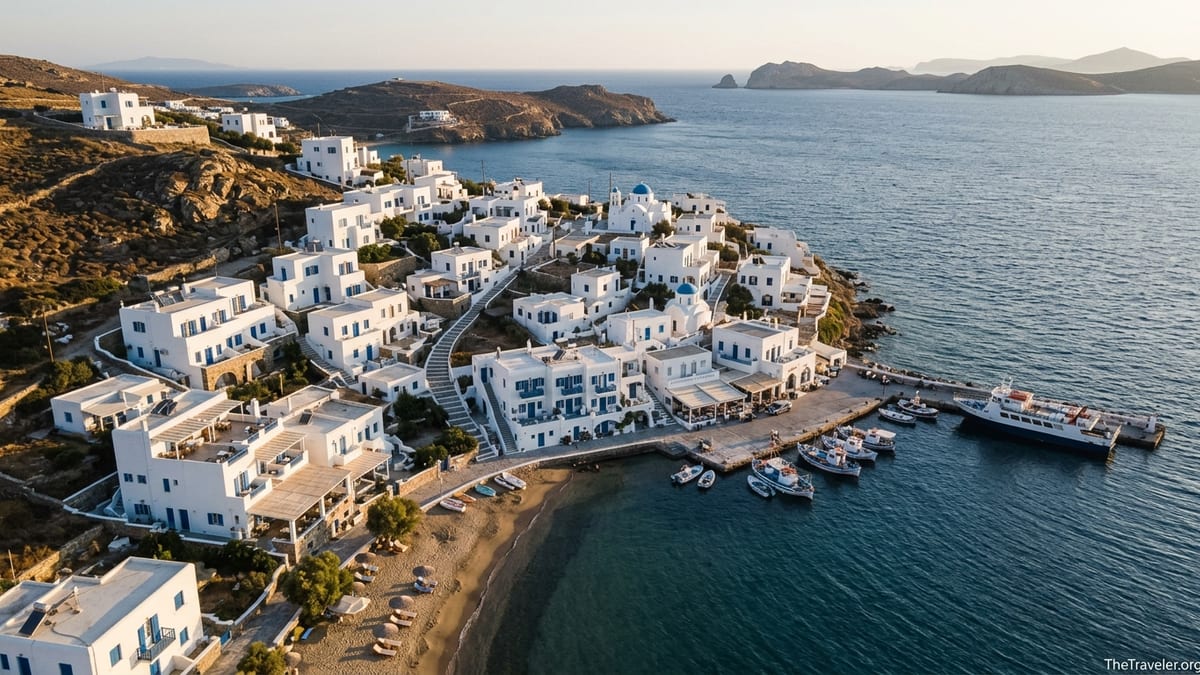
The Cyclades are the Greece many travelers dream about: whitewashed villages, golden beaches, and ferries skipping between island after island. The challenge is not whether to go, but where to book. From nightlife in Mykonos to barefoot beach life on Naxos, car-free getaways on Paros and caldera-view suites on Santorini, the island and town you choose will define your trip. This guide focuses on where to stay, with concrete suggestions for different budgets and travel styles, and with particular attention to travelers relying on ferries and buses instead of rental cars.
How to Choose the Right Cycladic Island as Your Base
Before you zoom in on hotels, decide which island best fits your priorities. For nightlife and high-energy beach clubs, Mykonos is the natural choice, with most visitors staying either in Mykonos Town (Chora) or along the south coast beaches such as Ornos and Platis Gialos. For dramatic scenery and luxury cave suites, Santorini stands apart, especially the caldera villages of Oia, Imerovigli, Fira and Firostefani. If you want a softer pace, wide beaches and better value for money, islands like Naxos, Paros and Milos are strong contenders.
Budget matters too. On a typical June or September date, a midrange double room with pool on Mykonos or Santorini often starts around 250 to 350 euros per night, and it is easy to pay several times that for private plunge pools or front-row sunset suites. On Naxos or Paros, the same dates might bring comfortable family-run hotels 5 to 10 minutes from the beach in the 90 to 150 euro range, and studio apartments with kitchenettes starting closer to 70 to 100 euros. These are ballpark figures and vary widely, but they illustrate how your choice of island shapes your costs.
Think about logistics as well. If you plan to island-hop using ferries from Piraeus or Rafina near Athens, major hubs like Mykonos, Santorini, Paros and Naxos have the most frequent connections, including high-speed ferries in high season. Smaller islands such as Amorgos or Serifos see fewer daily sailings and can be more affected by wind-related disruptions. For travelers without a car, it is usually simpler to stay in or near the main port town where bus routes, taxis and tour departures concentrate.
Finally, consider how you like to move around once you arrive. If you are happy relying on buses and walking, base yourself where there is a central bus station, plenty of dining options and at least one good beach nearby. Fira on Santorini, Naxos Town (Chora), Parikia and Naoussa on Paros, and Mykonos Town all tick these boxes. If you prefer quieter villages or remote coves, you will usually trade some convenience for atmosphere, especially outside July and August when bus schedules are thinner.
Best Islands and Towns for Beaches
If your priority is long days on the sand and easy swims, several Cycladic islands stand out. Naxos is often singled out for having some of the best beaches in the region, with soft sand and shallow water ideal for families. Staying along the west coast in resorts like Agios Prokopios, Agia Anna or Plaka puts you directly on wide beaches with sun loungers, tavernas and a relaxed feel. The local bus connects these areas to Naxos Town in around 15 to 25 minutes, so travelers without a car can enjoy both beach time and evening strolls in the main town.
Paros offers a good balance between beaches and atmosphere. Base yourself either in Naoussa in the north, close to popular spots like Kolymbithres and Monastiri Beach, or in Parikia near Livadia Beach. Naoussa has become trendier in recent years, with small design hotels and upmarket restaurants, while still allowing you to reach beaches by bus or short taxi rides. Prices here typically sit between Mykonos and Naxos, with midrange rooms often in the 120 to 200 euro range in shoulder season, rising in July and August.
Milos has a wilder coastline with striking rock formations, where places like Sarakiniko and Firiplaka feel more like natural swimming coves than resort beaches. The main base is Adamas, the port town, with additional lodging in Pollonia in the northeast. Without a car, staying in Adamas gives you the best access to bus routes and boat tours that hop between beaches. Pollonia is quieter and more village-like, with several family-run hotels and apartments just steps from the sea, suitable for couples looking for calm rather than nightlife.
On Santorini, beaches are not the island’s main strength compared with its views, but if you want a beach base there are two primary choices: Kamari on the east coast and Perissa and Perivolos on the southeast. These villages sit behind long black-sand and pebble beaches lined with tavernas and beach clubs. Many hotels and studios here are more affordable than their caldera-view counterparts, and bus services link them to Fira in about 20 to 30 minutes, so you can spend the day on the sand and still head into the capital for sunset or dinner.
Best Bases for Nightlife and Social Atmosphere
For travelers focused on nightlife, Mykonos remains the top Cycladic option. Mykonos Town is the heart of the scene, with narrow lanes packed with cocktail bars, late-night restaurants and clubs that spill into the early morning. Staying within walking distance of the waterfront and Little Venice area means you can move between dinner, bars and your accommodation without worrying about taxis. South coast beaches such as Paradise and Super Paradise host famous beach clubs with DJ sets, bottle service and day parties that continue well after sunset, accessible by bus or water taxi from town.
If you prefer to be closer to the sand but still dip into nightlife, Ornos and Platis Gialos are strong candidates. Both have lively beachfronts with restaurants and loungers by day, and bus connections to Mykonos Town in around 10 to 15 minutes in season. Many travelers choose a midrange hotel in Ornos, enjoy quieter evenings on the bay, then head into town for nightlife when they wish. Expect high-season rates to start around 250 euros for centrally located, well-reviewed properties and to climb quickly for sea-view suites or newer boutique hotels.
Santorini’s nightlife is more concentrated around Fira, the island’s capital. Fira has a cluster of bars and small clubs with terraces overlooking the caldera. It is not as intense as Mykonos, but there is enough late-night energy for groups of friends or couples who want a few nights out. Staying in Fira or neighboring Firostefani gives you easy access to buses and taxis, along with a wide range of restaurants from affordable gyros to fine dining. Beach towns like Kamari also have laid-back cocktail bars and beachfront lounges, but they tend to close earlier and are more relaxed than raucous.
Paros has an increasingly vibrant evening scene, particularly in Naoussa. The small harbor is lined with bars and restaurants where tables spill onto the lanes, and you will find a mix of wine bars, lounge spots and late-opening venues that stay active through midnight and beyond in summer. It is more casual than Mykonos, but for many travelers that is part of the charm. Staying in the old town area of Naoussa means you can walk everywhere and still reach beaches and ferries by bus or short transfers.
Top Picks for Couples, Honeymoons and Special Trips
For couples and honeymooners, Santorini remains the iconic choice. The west-facing caldera villages of Oia, Imerovigli, Fira and Firostefani offer terraces hanging above the sea, often with private plunge pools and sunset views. Oia is the most famous and most expensive, with a concentration of luxury cave suites, high-end boutiques and dining. Many couples choose to spend at least a few nights here despite higher prices, which can easily exceed 600 to 800 euros per night for a suite in high season, in exchange for that postcard setting.
Imerovigli and Firostefani are excellent alternatives for couples who want caldera views in a quieter atmosphere. These villages sit between Oia and Fira along the cliff path, with fewer day visitors and a more tranquil feel. You can still walk or bus into Fira for dinner or excursions while enjoying more privacy and, often, slightly better value compared with Oia. A mix of boutique hotels and small villas caters specifically to adults or couples, and availability in shoulder seasons like May, June, September and early October is usually better than in peak summer.
Mykonos also has a strong couples market, especially among those combining nightlife with high-end relaxation. Areas like Psarou, with upscale hotels perched above a small bay, attract guests booking cabanas and spa treatments during the day and dining in Mykonos Town at night. For a quieter romantic stay without heavy nightlife, consider Agios Ioannis or Elia Beach, which offer stylish hotels and a calmer atmosphere, though you will rely more on taxis or hotel shuttles unless you rent a car or scooter.
Beyond the headline islands, Paros and Milos both work beautifully for couples who value character and beaches over high-end infrastructure. On Paros, Naoussa’s narrow streets and small waterfront squares are ideal for evening strolls and lingering over seafood dinners. In Milos, many couples split their time between Adamas for ease of transport and a quieter night or two in Pollonia for a more intimate village feel and easy access to boat tours. These islands often deliver a more relaxed kind of romance, with sunset swims and small family-run guesthouses replacing infinity pools.
Best Choices for Families and Multi-Generational Groups
Families usually do best on islands with shallow beaches, reasonable prices and straightforward public transport. Naxos stands out in this regard. Basing yourselves in Agios Prokopios, Agia Anna or Plaka gives you gently shelving sand, plenty of space to play, and a good mix of apartment-style accommodation and small hotels with pools. Many properties here offer family rooms, small kitchenettes and on-site playgrounds or gardens, which make day-to-day life with children easier. Buses to Naxos Town are frequent in high season, so you can explore the port, castle and waterfront ice cream shops without a car.
On Paros, families often split between Parikia and Naoussa. Parikia has the advantage of being right at the port, which simplifies arrival with luggage. Livadia Beach, a short walk from the harbor, has areas of shallow water and a string of casual tavernas. Naoussa offers a more atmospheric old town feel and good access to family-friendly beaches reached by small boats or short bus rides. In both places, you will find plenty of midrange hotels and apartments in the 100 to 200 euro bracket in shoulder season, rising in peak months but often still lower than equivalent rooms on Santorini or Mykonos.
Santorini can work for families who understand that beaches are darker and pebbly and that distances between villages can add up. The beach towns of Perissa and Perivolos are particularly popular with families, thanks to long stretches of sand, relatively shallow entry into the water and a relaxed vibe. Many hotels here have pools and breakfast included, and there is a range of casual restaurants lining the promenade. Buses run to Fira, though in high season they can be busy, so planning ahead for excursions is useful.
For multi-generational trips or family groups who want more space, consider renting a villa or a cluster of studios on calmer islands such as Milos, Serifos or even smaller places like Koufonisia. In Milos, staying in a traditional village such as Tripiti or Plaka gives older family members quiet streets and sea views, while younger travelers can head down to Adamas or the beaches during the day. On Serifos, the combination of Livadi (the port town with a long sandy beach) and Chora up on the hill offers swimming for children and sunset views for adults.
Luxury, Boutique and Budget Friendly Areas
Luxury travelers usually gravitate towards Santorini and Mykonos, where high-end hotels, fine dining and private transfers are easy to arrange. On Santorini, the caldera villages concentrate many of the island’s most luxurious properties, with design elements like cave-style suites carved into the rock, infinity pools overlooking the sea and personalized concierge services. On Mykonos, boutique resorts cluster around Psarou, Ornos and above Elia Beach, as well as in the Chora area overlooking the old harbor. Booking six to nine months ahead for July and August often brings better room choice and occasionally early-booking offers.
Midrange and boutique travelers will find excellent options across the Cyclades. On Paros and Naxos, stylish small hotels with local design touches and breakfast courtyards have multiplied in recent years, particularly in Naoussa and Naxos Town. These properties rarely offer the same level of spectacle as Santorini’s cliffs, but many sit within five minutes’ walk of a beach or harbor and come at a fraction of the price. In Milos and Serifos, you will find renovated stone houses and minimalist suites that feel upscale while staying comparatively affordable.
Budget-conscious travelers are not excluded from the Cyclades, but they will have a better experience if they are flexible with dates and islands. Avoiding late July and August can dramatically reduce prices, especially on Mykonos and Santorini. Staying slightly back from the most famous viewpoints also helps. On Santorini, that might mean choosing Karterados or Messaria instead of directly on the caldera rim, using buses or short taxi rides to reach Fira and Oia. On Mykonos, it could mean staying in the hinterland near Ano Mera or in simpler rooms near Tourlos, the new port, and then bussing into town.
For very tight budgets, look beyond the headline islands to places like Syros, Tinos or Andros, which see more domestic tourism and have year-round communities. The main towns on these islands combine authentic Greek everyday life with access to beaches, bakeries and local tavernas at more modest price points. While nightlife and resort infrastructure are lighter, the tradeoff in value is significant, and ferry links from Piraeus or Rafina make them accessible without flights.
Where to Stay Without a Car and With Easy Ferry Access
If you plan to travel only by ferry, bus and on foot, your choice of base matters even more. On Santorini, Fira is the principal bus hub for routes to Oia, the beaches and inland villages. Staying in or within walking distance of Fira or Firostefani makes it simpler to reach different parts of the island without a car, though the area is hilly. If you prefer a flatter base, Kamari and Perissa both have straightforward beach promenades and regular buses to Fira, which can be helpful for families or anyone with mobility concerns.
On Mykonos, Mykonos Town functions as the main hub. From the Fabrika bus station on the edge of town, seasonal buses run to Ornos, Platis Gialos, Psarou, Paradise and other key beaches. Staying in town or very close to it means you can reach ferries at the new port in Tourlos by shuttle, taxi or bus and then walk to most nightlife and dining. If your ferry arrives or departs very early, consider a night in Tourlos itself, where several hotels sit within a short transfer of the docks.
Naxos Town is an excellent base for car-free travelers. The main bus station sits on the harborfront, with routes fanning out to Agios Prokopios, Agia Anna, Plaka and several inland villages. Staying near the port puts you within a few minutes’ walk of the bus terminal, the old town and the sandy town beach of Agios Georgios. This setup allows you to combine day trips to beaches and villages with evenings spent wandering the waterfront and old castle area.
Paros offers two main car-free bases: Parikia and Naoussa. Parikia is the ferry port, with a central bus station serving other parts of the island. Staying near the harbor shortens arrival days and makes island-hopping easier, especially if you have early departures. Naoussa, reached by bus or taxi from Parikia, is more compact and upscale but still manageable without a car, thanks to small boats and bus connections to nearby beaches. On Milos, Adamas plays a similar role as the ferry port and transport hub, with buses and boat tours departing from the waterfront, which makes it a sensible choice for travelers relying on public transport.
The Takeaway
Choosing where to stay in the Cyclades is less about finding the single best island and more about matching a base to the kind of trip you want. Mykonos and Santorini deliver the most intense mix of scenery, nightlife and luxury but also command the highest prices and largest crowds. Naxos and Paros offer excellent beaches, good food and a more relaxed feel, with strong value for families and couples. Milos, Serifos and smaller islands reward those seeking quieter coves and village life over resort infrastructure.
Think first about your priorities: Are you envisioning days in beach clubs and late nights out, or quiet swims and early mornings on the terrace? Do you want to walk everywhere and use buses, or are you happy renting a car or scooter to reach remoter spots? Once those answers are clear, use them to choose your island, then zoom in on specific towns that match your budget, mobility needs and tolerance for crowds.
Wherever you choose, book early for July and August, keep an eye on ferry schedules when planning connections, and consider shoulder seasons like late May, June, September or early October for calmer seas and lower prices. With the right base, the Cyclades can be as lively or as laid-back as you wish, turning a beautiful archipelago into a trip that feels precisely your own.
FAQ
Q1. Which Cycladic island is best if I want great beaches and do not plan to rent a car?
Naxos is one of the strongest options, especially if you stay in Naxos Town or along the west coast in Agios Prokopios, Agia Anna or Plaka. Buses link these beaches to the port, so you can move between town and sea without driving, and the sand is generally wide and shallow enough for relaxed swimming.
Q2. Where should I stay in the Cyclades for nightlife without spending my whole budget on hotels?
Mykonos Town offers the liveliest nightlife, but prices are high in peak season. To balance budget and atmosphere, consider Paros, particularly Naoussa, which has a growing bar scene and late-opening restaurants at generally lower room rates, especially if you avoid late July and August.
Q3. Is Santorini a good base for families with young children?
Santorini can work for families who understand its geography and beach conditions. Beach resorts like Perissa, Perivolos and Kamari are flatter and more practical with strollers than the cliff villages, and many hotels there have pools and family rooms. You will likely rely on buses and occasional taxis for day trips to Fira and Oia.
Q4. What is the best area to stay on Mykonos if I do not want to rent a car?
Staying in or near Mykonos Town is simplest without a car, as buses to major beaches depart from the Fabrika bus station and the harbor area. If you prefer to be on the sand, Ornos and Platis Gialos are good alternatives, as both are served by frequent buses to town in high season.
Q5. Which islands and towns are best for a honeymoon focused on views and privacy?
For classic views and high-end privacy, focus on Santorini’s caldera villages of Oia, Imerovigli and Firostefani, where many hotels cater specifically to couples with cave suites and private terraces. Milos and Paros can also be very romantic, offering smaller, quieter villages and boutique guesthouses at lower prices.
Q6. How important is it to stay near the ferry port if I am island-hopping?
For travelers catching early or tight ferry connections, staying in or near port towns such as Parikia on Paros, Naxos Town on Naxos, Adamas on Milos or Fira’s bus hub on Santorini reduces stress. You can still take day trips to nearby beaches, then return to your base the night before departure.
Q7. Are there affordable islands in the Cyclades that still feel authentic?
Yes. Islands like Naxos, Paros, Syros, Tinos and Andros all see regular Greek visitors and maintain year-round communities. Their main towns mix everyday life with tourism, and you will generally find more modest prices for rooms, meals and transport than on Mykonos or the most famous parts of Santorini.
Q8. What time of year offers the best balance of price, weather and ferry options?
Late May, June, September and early October usually offer warm weather, swimmable seas and good ferry schedules at lower prices than July and August. Hotel rates often fall noticeably outside peak weeks, and crowds thin while most services remain open.
Q9. Is it realistic to visit multiple Cycladic islands in one trip without a car?
It is realistic as long as you keep your itinerary focused and check ferry connections carefully. Many travelers combine two islands such as Mykonos and Naxos, or Paros and Milos, over 7 to 10 days, using buses and walking to explore. Building in at least one buffer night before international flights is wise in case of weather-related ferry delays.
Q10. How far in advance should I book accommodation in the Cyclades?
For peak season stays in Mykonos and Santorini, booking at least six months ahead is advisable, especially for specific hotels or room types. On other islands or in shoulder seasons, you may find good options three to four months before travel, though popular boutique properties can still sell out early.