


Soft sand, clear turquoise water and space to actually swim can be surprisingly hard to find in the Cyclades, especially in high summer. Between crowded party bays and pebble coves, it pays to know exactly where to go. This guide compares the standout beaches on Milos, Naxos, Paros, Mykonos, Ios, Andros and the Small Cyclades, with a focus on real conditions on the ground in 2024 and 2025. You will find specific examples for families, couples, low key swimmers and travelers who want beach clubs without the shoulder to shoulder crowds.
How to Choose the Right Cycladic Beach for You
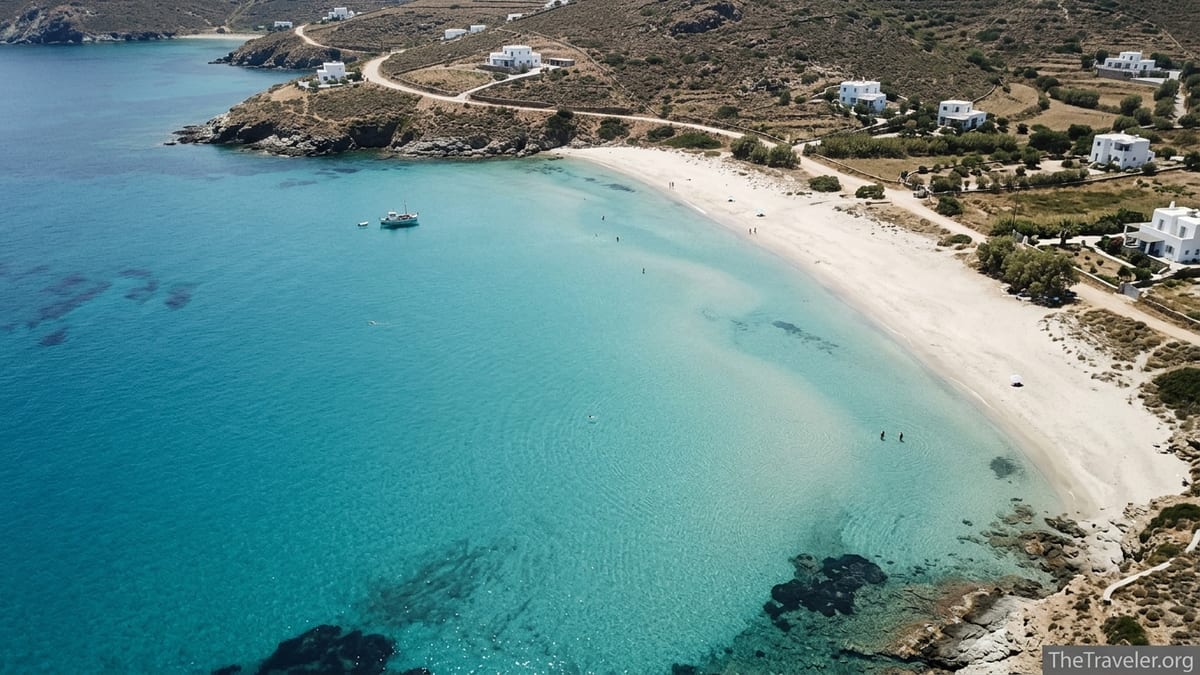
The classic Cycladic beach look is a sweep of pale sand, shallow turquoise water and a low line of tamarisk trees or a simple taverna behind the shore. In reality, every island balances this postcard image with its own mix of rock shelves, pebbles, wind exposure and development. Before you pick an island, it helps to be clear about what you want most: easy sand entry for children, quiet swimming far from speakers, high end beach clubs, or wild coves where you might share the bay with only a few other people.
Wind is the first thing to factor in. From June to early September, the north wind known as the meltemi often blows hard across the central Aegean. On windier days, north facing beaches such as Sarakiniko on Milos or Santa Maria on Paros can be choppy and better for strong swimmers, while south coast bays like Firiplaka on Milos, Elia on Mykonos or Golden Beach on Paros usually stay calmer. If your priority is uncrowded, glassy water, aim for sheltered south coast coves or east coast pockets that are harder to reach by public bus.
Access also shapes the experience. Bigger, bus accessible beaches such as Agios Prokopios on Naxos, Mylopotas on Ios or Platis Gialos on Mykonos offer sunbed rentals, restaurants and lifeguards, but they fill up quickly in July and August and often charge premium prices for front row loungers. In contrast, coves like Achla on Andros or Livadi on Iraklia typically require a car and at least some walking, which keeps numbers low and preserves a more relaxed, local feel.
Finally, think about how many beach days you want with clubs and music versus quiet coves. On the very same island you can move between full service spots such as Elia on Mykonos, where two sunbeds and an umbrella can cost the price of a mid range dinner in Athens, and almost empty stretches like Agrari next door, where a single taverna and rows of reasonably spaced loungers keep the vibe low key even in peak season.
Milos: Volcanic Scenery and Turquoise Sheltered Bays
Milos has some of the most unusual coastline in Greece, with chalk white rock formations and multicolored cliffs dropping into translucent water. For a classic sandy swim in calm, turquoise sea, focus on the south coast. Firiplaka, between Provatas and Tsigrado, is a long arc of silver sand and fine pebbles backed by high volcanic cliffs, with shallow turquoise water and usually gentle waves. In summer there is a small beach bar that rents organized sunbeds at the eastern end, while the western stretch is left completely free, so you can lay your own towel far from the speakers.
Tsigrado, just next door, is more of an adventure than a conventional beach day. Access is via a narrow path followed by a wooden ladder and rope down the cliff, which naturally limits crowds and makes it unsuitable for small children or anyone with mobility issues. Once you are down, you find a miniature strip of sand squeezed between cliffs, with exceptionally clear water and rocky sides that are ideal for snorkeling. Most visitors arrive before midday, so an early morning descent in June or September can mean sharing the cove with only a handful of people.
For families and less confident swimmers, Provatas and Paleochori offer softer entries and more facilities. Provatas has a sweep of sand with shallow water, a couple of tavernas right on the beach and some small hotels on the slope above. Paleochori mixes sand and pebbles with several casual bars, and its south facing orientation keeps the sea calmer when north coast spots are windy. Both beaches usually have loungers in the 15 to 25 euro range for two chairs and an umbrella in peak season, with cheaper second and third rows set back from the waterline.
Sarakiniko, the island’s most photographed shore, hardly has any sand at all but deserves mention for its swimming. Smooth white rock shelves curve around a narrow inlet of electric blue water where people jump from low ledges and float in the clear channel. It is more an adventure playground than a traditional beach, so pack water shoes and avoid midday in July and August when coach groups and Instagram shoots can make it feel crowded even if you can still find space in the water itself.
Naxos: Long Sandy Strips and Shallow Family Waters
Naxos has perhaps the best sequence of classic sand beaches in the Cyclades, running almost unbroken from Agios Prokopios through Agia Anna to Plaka and beyond. Agios Prokopios is the most developed stretch, with several rows of organized loungers, hotel beach clubs and restaurants right behind the sand. The water here is usually crystal clear and drops off gradually, making it good for families, though in high summer the combination of crowds and wind chop can be too much for visitors who want total calm.
Walk or bus a little farther along to Plaka and the atmosphere softens. Here the sand is fine and pale, the water turquoise and open, and development is lower key. You still find a ribbon of tavernas and small hotels, but many sections of beach remain unorganized, so you can simply lay a towel under a tamarisk tree and swim without music in the background. Prices at the beach bars that do operate are generally more modest than on Mykonos, with a pair of loungers often costing less than half of what you might pay on a high profile party beach.
For a wilder feel and fewer people, head southwest to Alyko and the nearby stretch that people often call Hawaii Beach. This area is a lacework of small coves under low dunes and cedar trees, with sand that slopes gently into clear water. There are no large facilities here, just a beach cantina in high season or a food truck some summers, so it is wise to bring shade and water. The lack of infrastructure, combined with the extra drive from Naxos Town, keeps numbers manageable even in late July, and you can usually find a pocket where only a handful of swimmers scatter along the shore.
On days when the west coast is too windy, a rental car or taxi to the east and northeast coasts pays off. Small coves such as Azalas or Ligaridia have pebbly entries in places but offer calm, blue water and a crowd that rarely grows beyond a couple of local families and a few independent travelers. These spots suit confident swimmers who prioritize quiet over sand quality and are happy without sunbeds or lifeguards.
Paros: Balanced Mix of Beach Clubs and Quiet Coves
Paros has a tight mix of characterful bays within short driving distance of each other, which makes it ideal if you want to alternate between beach club days and low key swims. Near Naoussa, Kolymbithres is the island’s most photogenic beach, with sculpted granite rocks forming small sandy pools of bright turquoise water. It is an enjoyable place to explore and snap photos, but sunbed numbers are limited and the tiny coves fill quickly, especially when excursion boats from Naoussa drop visitors, so it is not the best choice if you prize personal space.
Santa Maria, on the northeast side of the island opposite Naxos, stretches around a broad bay of golden sand and shallow, clear water. Families appreciate the gradual depth and the protected feel of the bay, and in high season there are several organized sections with loungers, water sports and beach bars. Prices are generally lower than Mykonos but higher than outlying islands, and the music volume creeps up through the afternoon. If you prefer to hear the waves, plan to arrive early and occupy the unorganized sections at either end of the bay.
Further south, Golden Beach and neighboring Logaras focus more on windsurfing and water sports. The sand is fine and light, the water a vivid blue, and there are enough tavernas and small hotels to make day trips easy. However, steady wind means that surface chop can be present even when skies are clear. For quieter swimming, bypass the main bus stops and follow side roads to smaller coves like Laggeri or one of the less publicized south coast inlets, where you might share the water with only a few other travelers staying in nearby villas.
One of Paros’s strengths is how easy it is to match the day’s mood to a specific bay. You might spend one afternoon at a lively spot like Santa Maria, booking targeted loungers and a light lunch, then recover the next morning under your own umbrella at a nameless cove within a 20 minute drive, with only a fisherman’s boat anchored offshore and the sound of cicadas in the background.
Mykonos: Finding Quiet Corners on a Famous Beach Island
Mykonos has a reputation for beach clubs and high energy parties, but it also offers several sheltered, sandy coves where the water is just as turquoise and the mood is far calmer. On the south coast, Elia is one of the longest and sandiest beaches on the island, with clear blue water and a wide choice of organized sections. Many visitors come specifically for the beach clubs, where front row loungers can reach premium prices in late July and August, but the far ends of Elia are less structured and quieter, with a mix of families and independent travelers who are more interested in swimming than dancing.
Immediately next door, Agrari feels like a different island. Reached via a narrow road and a path over the hill from Elia, it is a smaller south facing bay of golden sand with calm, clear water and only a single main taverna and bar. There are loungers for rent but in far smaller numbers, and large sections of free beach remain, so even in peak summer you can usually find a space where your nearest neighbor is several meters away. The sheltered orientation keeps the sea relatively flat when the meltemi is blowing, which makes it one of the better spots on Mykonos for relaxed, uncrowded swimming.
On the north coast, Agios Sostis and nearby Panormos appeal to travelers who want minimal development. Agios Sostis is essentially an untouched sandy cove backed by low hills, with no formal sunbed rows and just a single well known taverna up above. The access road is partly unpaved and parking is limited, which makes it inconvenient for large groups and helps keep numbers down. Panormos, one bay over, has more upmarket beach clubs but also long stretches of free sand, with clear, often slightly cooler water than the busier south coast bays.
Families based near Mykonos Town often use Agios Stefanos as a convenient option, thanks to its sheltered horseshoe shape and shallow entry. However, it can quickly feel busy when cruise passengers arrive for a beach break. For a more relaxed family day with better water color and a little more space between umbrellas, a taxi or rental car to Elia or even the quieter edges of Ornos can be a better choice, especially outside the very busiest weeks of late July and early August.
Ios and Andros: Relaxed Alternatives With Space to Swim
Ios blends a party reputation with several surprisingly tranquil beaches. Mylopotas, close to the main village, is a long crescent of sand with clear, shallow water, a wide variety of beach bars and a full choice of water sports. It is ideal if you want a sociable, easy day with services at your sunbed, but the atmosphere is busy and the soundscape dominated by music. For a quieter contrast, Magganari on the south coast is the standout choice: a sequence of sandy coves wrapped around a protected bay, with brilliant turquoise water and a slower rhythm. Getting there requires a longer drive or seasonal boat, which thins out day trippers and leaves more space for swimmers who prefer little more than a sun umbrella and a taverna for lunch.
On Andros, the feel is different again. This greener, less visited island lies close to Athens yet attracts fewer international visitors, so many of its beaches remain uncrowded even in high summer weekends. Golden Sand, also known locally as Great Sand, is a long, soft sandy beach where the shape of the shoreline and shallow lagoons change slightly each year with the wind and waves. The water is shallow for a good distance out, making it excellent for children and for long, relaxed swims parallel to the shore.
For more remote swimming, Achla and Zorkos on the north and northeast coasts offer a wild setting. Achla is a wide pebble and sand bay at the mouth of a river, with exceptionally clear water and almost no buildings behind the shore. Access is by rough road, local boat excursion from Chora in high season, or a long hike, which keeps visitor numbers low. Zorkos, slightly easier to reach but still off the main road network, has a broad sweep of sand and pebbles with just a couple of simple tavernas and plenty of space between groups. On both beaches you can still find yourself sharing the shore with only a handful of other people on a weekday in June or September.
Andros does not specialize in organized beach clubs in the same way as Mykonos or Paros, but you will find small clusters of umbrellas and a beach bar at more accessible spots near Batsi and Gavrio. This balance makes the island a strong choice for travelers who want long, quiet swims, simple waterfront lunches and a cooler, more local evening scene back in the villages.
Small Cyclades: Koufonisia, Iraklia and Schinoussa
The Small Cyclades, a group of tiny islands scattered between Naxos and Amorgos, are all about low key beach days and uncrowded, crystal clear water. Koufonisia is best known, with Pori and Italida beaches forming a near continuous strip of soft sand and luminous turquoise sea along the east coast. There are no large hotels behind these shores, only a couple of seasonal beach bars and scattered rooms to rent, so even when the main waterfront village feels busy, the beaches themselves spread people out along the sand.
Pori is the star for swimmers: a deep horseshoe of sand where the water stays a pale, milky turquoise close to shore and turns a deeper blue farther out. On a calm morning in June, you might see only a few paddle boards crossing the bay and hear nothing but the sound of small waves. Italida, slightly closer to town, is smaller and can feel more crowded in high season, but the water is just as clear and the lack of heavy infrastructure keeps the atmosphere informal. Most visitors walk to these coves in 30 to 45 minutes from the port, which naturally filters out those who prefer to step straight from bus to sunbed.
Iraklia and Schinoussa are quieter still. On Iraklia, Livadi is the main sandy beach, a broad arc of pale sand and shallow turquoise water within walking distance of the tiny port. There are usually only a handful of umbrellas and a basic snack bar in summer, and the rest of the shore is completely free, so families can spread out and let children play without worrying about reserved loungers. On Schinoussa, Psili Ammos and Tsigouri offer similar simple, low key setups: fine sand, clear sea and perhaps a single taverna behind the beach serving grilled fish and salads.
Prices for sunbeds on the Small Cyclades generally stay modest compared to the larger islands, and on many beaches you will not find formal rentals at all. That makes them ideal for travelers who are happy to carry a lightweight umbrella and a cooler, in exchange for long, uninterrupted swims and the feeling of being on the edge of the Aegean rather than in the center of a resort area.
Planning Tips: Timing, Crowds and Costs
In the central Cyclades, timing matters almost as much as location. July and August bring the largest crowds, highest accommodation rates and strongest meltemi winds. If you can travel in late May, June, September or early October, you will generally find calmer seas, more available sunbeds and the chance to experience even well known beaches such as Firiplaka, Plaka or Elia with far fewer people around. Sea temperatures are comfortable from roughly mid June to early October for most swimmers, with the warmest water usually in late August and September.
Cost varies dramatically between islands and even between neighboring beaches. On a high profile stretch of Mykonos or Paros in late July, two loungers and an umbrella in the first or second row can cost as much as a family lunch at a mid range restaurant in a mainland city. By contrast, on Milos, Andros or the Small Cyclades, the same setup is often significantly cheaper, and many of the best coves such as Achla, Livadi or sections of Plaka remain completely unorganized. It is always worth checking prices before you sit, especially on beaches with elaborate beach clubs, and asking whether the fee includes drinks or food credit.
Transport is another practical consideration. Islands like Naxos, Paros and Mykonos have reasonably frequent summer bus services linking main towns with major beaches, which makes it easy to reach places like Agios Prokopios, Santa Maria or Paradise without a car. More remote coves such as Achla on Andros, Alyko on Naxos or the wilder corners of Milos often require a rental car, quad bike or participation in a boat excursion. For example, many visitors to Milos book a day cruise that combines Kleftiko sea caves with swim stops at inaccessible bays, gaining access to crystal clear water and quiet anchorages that are impossible to reach on foot.
Wherever you go, a few simple habits improve your chances of a quiet swim. Arrive early in the day, especially at famous spots; bring your own shade so you are not dependent on limited lounger availability; and be ready to walk 5 to 10 minutes beyond the first row of umbrellas, along the sand or over a low headland, which is often enough to leave 80 percent of the crowd behind.
The Takeaway
The Cyclades offer far more than packed party beaches and postcard shots. Milos rewards those who combine its photogenic rock formations with the softer south coast sands where the water stays turquoise and swimmable even on windy days. Naxos and Paros deliver long, pale beaches with a mix of family friendly shallows and livelier beach clubs, while Mykonos quietly hides calm, sandy coves like Agrari and Agios Sostis just a short drive from the island’s busiest docks.
Ios and Andros provide relaxed alternatives with ample space to swim, from the turquoise coves of Magganari to the changeable sands of Golden Sand. Out in the Small Cyclades, islands like Koufonisia, Iraklia and Schinoussa still feel like a glimpse of an earlier era of Greek island travel, where simple tavernas, car free paths and uncrowded bays make the color of the water and the feel of the sand the main attractions.
For travelers who value soft sand, clear turquoise water and uncrowded swimming above all, the key is to pair the right island with the right season, and to be willing to walk a little farther or wake up a little earlier than the average visitor. Do that, and you will find that even in the most famous parts of the Cyclades, there is always another quiet cove, just around the headland, waiting for you to dive in.
FAQ
Q1. Which Cycladic island has the clearest turquoise water for swimming?
Milos and the Small Cyclades are hard to beat for clarity and color, especially south coast coves like Firiplaka and Pori on Koufonisia, where the water often looks almost luminous on calm mornings.
Q2. Where should families with young children base themselves for sandy, shallow beaches?
Naxos and Paros work particularly well, with Agios Prokopios, Agia Anna and Plaka on Naxos, and Santa Maria or parts of Golden Beach on Paros offering soft sand, gradual entry and plenty of facilities close by.
Q3. Are there quiet beaches on Mykonos without loud music and packed sunbeds?
Yes. Agrari, Agios Sostis and parts of Panormos offer calmer atmospheres, with clear water, smaller numbers of loungers and fewer or no large beach clubs compared with more famous party bays.
Q4. Which beaches are best for snorkeling in the Cyclades?
Rocky fringes beside sandy coves are ideal. Tsigrado on Milos, the rocks around Kolymbithres on Paros, and the headlands near Magganari on Ios all offer clear water and rocky habitats that attract fish.
Q5. How windy are Cycladic beaches in July and August?
The meltemi often brings strong north winds, which can make north facing beaches choppy. South and southeast facing bays like Firiplaka, Elia, Magganari and Golden Beach typically stay calmer and more comfortable for swimming.
Q6. Can I find uncrowded beaches in peak season without renting a car?
It is easier with your own transport, but still possible. On Naxos you can walk beyond the main bus stops at Plaka to quieter sections, and on Koufonisia you can reach Pori and Italida on foot along coastal paths that most day trippers skip in the heat.
Q7. How expensive are sunbeds and umbrellas on Cycladic beaches?
Prices vary widely. On high profile Mykonos or Paros beach clubs in late July, two loungers and an umbrella can be relatively costly, while on Milos, Andros or the Small Cyclades many beaches either charge moderate fees or remain entirely free of organized sets.
Q8. What is the best time of year to avoid crowds but still enjoy warm water?
Late May, June, September and early October usually offer a good balance of warm sea temperatures, open businesses and significantly lighter crowds compared with the school holiday peak of late July and August.
Q9. Are there lifeguards on Cycladic beaches?
Major organized beaches such as Mylopotas on Ios, Agios Prokopios on Naxos and some Mykonos and Paros bays often have lifeguards in high season, but many quieter coves and remote beaches do not, so swimmers should gauge conditions carefully.
Q10. Do I need to book beach clubs in advance?
On the most popular organized beaches of Mykonos and Paros in peak summer, reserving loungers a day or two ahead is wise, especially for front rows. On more relaxed islands and in shoulder season, you can usually just arrive earlier in the morning and find a spot.