


Planning a Greek island escape and stuck between Santorini, Mykonos, Paros and Naxos is a classic traveler dilemma. These four Cycladic stars share whitewashed villages and blue-domed churches, yet on the ground they feel dramatically different. From black-sand beaches backed by volcanic cliffs to long, shallow bays ideal for kids, from all-night clubs to low-key harbor bars, each island has its own sweet spot. This guide breaks down how they compare for beaches, hotels, nightlife, couples, families, restaurants, costs, transportation, crowds and first-time visits so you can choose the island that truly fits your trip.
Big Picture: What Each Island Does Best
If you imagine the perfect Greek island as a honeymoon postcard, you are probably imagining Santorini. The island’s caldera rim clusters cliffside villages like Oia, Fira and Imerovigli, where cave suites with plunge pools look straight into the flooded volcano. It is one of the most photographed destinations in the world and priced accordingly, but for drama and romance it is hard to beat.
Mykonos, in contrast, is Greece’s original party island. It combines classic Cycladic charm in Mykonos Town with a dense lineup of beach clubs along the south coast. In July and August, spots such as Scorpios at Paraga Beach and Super Paradise Beach Club host international DJs, sunset rituals and table service that rivals major Mediterranean hotspots. Away from the party strip, there are still quieter coves and boutique hotels, but the island’s core identity is stylish, outgoing and social.
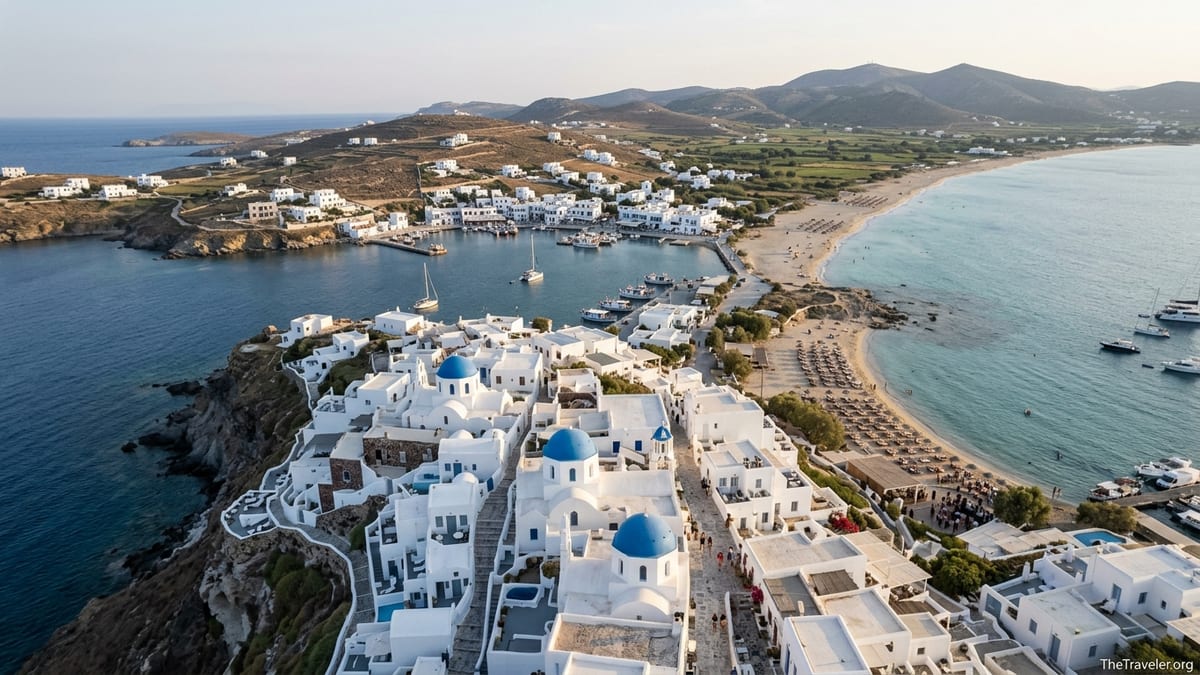
Paros has become the middle-ground darling. Once mainly for windsurfers, it now draws travelers who want sandy beaches, a lively but not overwhelming nightlife scene and easier prices than Santorini and Mykonos. Most visitors base themselves in Naousa or Parikia. Naousa especially has evolved into a chic harbor village with seafood tavernas, wine bars and a handful of late-night spots that feel sophisticated rather than wild.
Naxos is the Cyclades workhorse: big, fertile, more lived-in and less polished. It is widely regarded as one of the best islands in Greece for long, swimmable sandy beaches like Agios Prokopios, Agia Anna and Plaka, which run for kilometers along the west coast. There is no real super-club scene and very few cliffside infinity pools, but there are family-run hotels, excellent local food and plenty of space. Naxos suits travelers who want a relaxed, slightly less curated version of the Greek-island dream.
Beaches: Volcanic Drama vs Long Sandy Bays
Santorini’s beaches are distinctive rather than classically pretty. Expect black or dark-grey volcanic sand and pebbles, deep water that gets over your head quickly and a striking backdrop of cliffs. Perissa and Perivolos on the southeast coast form a long black-sand stretch lined with beach clubs, tavernas and hotels where you can rent sunbeds with waiter service. Kamari offers a similar setup closer to the airport. The famous Red Beach near Akrotiri, with its rust-colored cliffs, is visually spectacular but small and often crowded.
Mykonos is often described by Greek travel specialists as having some of the best sandy beaches in the Cyclades. On the south coast, Psarou, Ornos, Paraga, Paradise and Super Paradise combine soft sand with turquoise water, plus dense rows of loungers, daybeds and full-service beach clubs. Prices for two sunbeds and an umbrella in peak season can easily sit in the higher double digits in euros, especially in front-row sections at fashionable clubs. On the north coast, beaches like Agios Sostis and Fokos are more natural and less organized, though wind can be an issue.
Paros and Naxos are increasingly popular precisely because of their beaches. On Paros, Kolymbithres has smooth, sculpted rock formations and small sandy coves, while Santa Maria near Naousa offers an organized scene with bars and water sports. Golden Beach and New Golden Beach on the east coast are known for reliable wind and kitesurfing. Naxos pushes things further: the west-coast ribbon from Agios Prokopios down past Agia Anna to Plaka and Mikri Vigla is a near-continuous arc of pale sand and clear, relatively shallow water. Families like that children can wade out gradually, and prices for loungers at smaller, family-run beach bars are often noticeably gentler than in Santorini or Mykonos.
If swimming is your top priority, Naxos usually comes out ahead, followed by Paros and Mykonos. Santorini’s beaches are memorable and different, but most travelers who split their time between islands choose Santorini for views and another island for “proper” beach days.
Hotels, Style and Typical Prices
Hotel style and cost vary widely even within each island, but there are clear patterns. In Santorini, the most sought-after properties hang on the caldera edge in Oia, Imerovigli and Fira. A typical small luxury cave hotel with around 10 to 20 rooms might charge mid to high three digits in euros per night in high summer for a junior suite with a plunge pool and caldera view. More modest family-run places in Firostefani, Fira’s outskirts or inland villages can offer doubles in the low to mid hundreds of euros in season, especially if you book outside the tightest late-June to early-September window.
Mykonos has a similarly elevated price structure, especially around Mykonos Town and prime south-coast beaches. A design-led hotel with a pool within walking distance of Psarou or Ornos often publishes high-summer rates competitive with upscale Santorini. That said, Mykonos still has relatively simple pension-style rooms and studios in less central areas, where couples and small groups might find per-night prices that are closer to a mid-range city hotel than a luxury resort. As always, June and September are a bit softer both in crowds and pricing.
Paros and Naxos generally undercut both Santorini and Mykonos. In Naousa, you will now find several stylish boutique hotels with polished interiors, small pools and curated breakfast menus, but many are still priced a clear notch lower than similar properties in Mykonos Town. In Naxos, especially along Plaka and Agios Prokopios, it is still realistic in many cases to find comfortable studios with kitchenettes and shared pools that can suit families or groups on a more moderate budget. Inland villages on Naxos and less central areas on Paros often have simple, clean rooms run by local families at prices that appeal to long-stay visitors.
For travelers deciding purely on cost, Naxos usually offers the best room-to-price ratio, followed by Paros. Santorini and Mykonos tend to command top-tier Mediterranean prices for their most iconic locations, with peak season bringing the steepest rates.
Nightlife and Vibe: From Sunset Cocktails to Super-Clubs
Nightlife is where these islands diverge sharply. Santorini does have bars and small clubs, mainly clustered in Fira, where cliffside cocktail terraces overlook the caldera and a handful of venues run late into the night. The tone, however, feels more couples-oriented and celebratory than hedonistic. Many visitors happily cap their evenings with dinner in Oia or Fira and a nightcap at a lounge rather than chasing sunrise parties.
Mykonos is still the Cyclades epicenter for serious nightlife. The south-coast beach clubs morph from laid-back daytime hangouts into pulsing dance floors from late afternoon onward, especially in July and August. Well-known venues line Paradise and Super Paradise beaches, while places like Scorpios and SantAnna at Paraga attract an international crowd that plans entire days around music lineups and sunset “rituals.” In Mykonos Town, bars and clubs fill the narrow streets around Little Venice, with everything from casual waterfront bars to late-night dance venues.
Paros has stepped into a middle role. Naousa’s harbor is now lined with cocktail bars that stay lively into the small hours in high season, and nearby beaches such as Monastiri occasionally host DJ-led events. The energy feels younger than Santorini, with many people in their twenties and thirties balancing beach days with late dinners and a few drinks. Naxos, by comparison, keeps things more relaxed. Naxos Town has several pleasant bars and small clubs near the waterfront, and beach areas like Agia Anna offer sunset cocktails, but the island rarely feels like a party destination. By midnight, many visitors are winding down rather than ramping up.
If your priority is big-name DJs and a social scene that stretches from brunch to sunrise, Mykonos is the default choice, with Paros as a more affordable, somewhat softer alternative. Santorini works better for a romantic, restaurant-focused evening, while Naxos suits those who prefer a glass of local wine and a stroll along the harbor to all-night dancing.
Couples, Families and First-Time Visitors
For couples, especially on honeymoons or anniversary trips, Santorini is often the first name that comes up. The combination of dramatic caldera views, small luxury hotels, wineries and high-end restaurants makes it ideal for a once-in-a-lifetime stay of three to four nights. Many couples then pair it with Naxos or Paros for a week-long itinerary that mixes romance with relaxed beach time. Mykonos can also work for couples, particularly those who enjoy a glamorous scene: boutique hotels in Mykonos Town or around Ornos are popular for stylish getaways.
Families tend to gravitate toward Naxos and Paros. On Naxos, the west-coast beaches near town offer shallow water, space for kids to run and family-owned tavernas that are comfortable with early dinners and sandy feet. A typical family day might involve renting loungers at a small beach bar on Plaka, where parents can watch children play in the shallows while sharing simple grilled fish and salads. Paros offers a similar setup, particularly around Livadia Beach near Parikia and Santa Maria near Naousa, with the added option of easy day trips by small boats to nearby Antiparos for a change of scenery.
First-time visitors deciding on a single island often do best by asking what image of Greece they care about most. If your dream is that world-famous caldera view and you are comfortable with higher prices and busier streets, Santorini delivers a uniquely dramatic experience. If you most want soft sandy beaches, a slower pace and good value, Naxos is a strong all-rounder that many people leave calling their favorite Greek island. Travelers who want a bit of both beach time and scene, but who do not need cliffside views or mega-clubs, may find Paros to be the best compromise.
Mykonos is best for first-time visitors who either prize nightlife or are traveling with friends and want a high-energy, social holiday. It can be a fantastic experience but is less essential if you are indifferent to clubs and celebrity beach clubs. Many itineraries now mix Santorini with either Paros or Naxos, giving a blend of iconic sights and easygoing beach days without committing to Mykonos prices.
Food, Restaurants and Overall Costs
All four islands serve excellent Greek food, but the feel and prices shift. In Santorini, cliffside fine-dining restaurants in Oia and Imerovigli spotlight local produce, seafood and the island’s distinctive wines. A tasting menu with wine pairing in one of the top caldera-view restaurants is typically a special-occasion splurge. Even more casual spots in Oia or Fira that face the caldera often charge a noticeable premium for location. That said, if you step a few streets inland or eat in less touristy villages like Pyrgos or Megalochori, grilled meats, simple meze and house wine can feel much closer to mainland Greek taverna prices.
Mykonos has a similarly wide spread. Beach clubs and chic restaurants in Mykonos Town serve global-influenced menus and shareable plates that can add up quickly. A day at a luxury beach club can easily involve a minimum spend per pair of loungers, plus cocktails and food that put the bill near what you might pay at upscale Mediterranean venues in other parts of Europe. Affordable gyros, bakeries and less showy tavernas still exist, but it takes a bit of deliberate planning to lean on them for most meals, especially in high season when reservations at popular spots become important.
Paros and Naxos retain more of a “local island” feel in their food scenes, even as they attract more international visitors. In Naousa and Parikia on Paros, harborside tavernas serve grilled fish, octopus and seasonal salads, and there is a growing number of modern Greek and wine-focused restaurants. On Naxos, the emphasis on local agricultural products is strong: the island is known for cheeses, potatoes, citrus and Kitron liqueur. Tavernas in Naxos Town and in villages like Apeiranthos and Filoti often serve generous plates of slow-cooked lamb, stuffed vegetables and house wine at prices that compare favorably with the other three islands.
In broad terms, travelers who watch their spending on accommodation, transport and meals usually find it easier to stay within budget on Naxos and Paros than in Santorini or Mykonos. Those who want to indulge in occasional blowout dinners or big club nights can still do so, but do not feel compelled to pay a “view premium” for every drink or meal.
Getting There, Getting Around and Crowds
All four islands have regular ferry connections within the Cyclades, particularly from Athens’ main port of Piraeus and from each other during the May to October season. High-speed ferries operated by companies such as Seajets and Blue Star Ferries commonly link Piraeus with Paros, Naxos, Mykonos and Santorini on the same route in summer, so island-hopping between them is straightforward if the sea conditions are cooperative. Flight-wise, Santorini and Mykonos both have international airports with seasonal direct flights from several European cities, while Paros and Naxos primarily receive domestic flights from Athens.
On the ground, local buses connect the main towns to many beaches. Naxos and Paros have especially practical bus networks between their ports (Naxos Town and Parikia) and nearby west-coast beaches. On Santorini, buses fan out from Fira to Oia and to the popular beach areas, but schedules can be crowded in July and August. Many visitors in all four islands also rent small cars, quads or scooters for at least a day or two, although parking in Mykonos Town and Oia can be tight in peak months.
Crowds are a key factor in choosing between these destinations. Santorini and Mykonos are extremely busy in high season, with large cruise-ship calls some days in Santorini contributing to daytime congestion in Fira and Oia. Sunsets in Oia, in particular, can draw dense throngs of visitors vying for viewpoints. Mykonos Town’s narrow alleys also fill up at night in midsummer. Paros and Naxos are no longer secret, but their larger size and broader spread of beaches help absorb people more easily. Popular spots like Naousa’s harbor and Plaka Beach still feel lively in July and August, yet many visitors report that stepping one or two beaches down the coast or staying in a slightly less central village is enough to reclaim some breathing room.
For those sensitive to crowds and heat, late May, early June, late September and early October are often the best times to visit any of these islands. Sea temperatures are usually pleasant enough for swimming, ferry connections are active, and prices on accommodation can be noticeably softer than in the heart of summer.
The Takeaway
The choice between Santorini, Mykonos, Paros and Naxos comes down less to which island is “best” and more to which island fits your priorities. Santorini specializes in caldera views, boutique hotels and romance, but compromises slightly on classic soft-sand beaches and wallet-friendliness. Mykonos excels at stylish nightlife and beach clubs, anchored by a strong set of sandy bays and a cosmopolitan town, yet it is the priciest and most intense of the four.
Paros and Naxos have emerged as the leading alternatives. Paros offers attractive beaches, a lively yet manageable social scene and improving boutique-hotel options, with Naousa at the center of its modern appeal. Naxos leans into space, long sandy beaches, family-run accommodation and strong local food, making it ideal for families, longer stays and travelers who prefer substance and value over spectacle.
For many first-time visitors with a week to spare, a balanced plan is to combine three or four nights in Santorini for its signature scenery with three or four nights in Naxos or Paros for relaxed beach time and more moderate costs. Those with extra days and a taste for nightlife can add Mykonos to the route. Whatever combination you choose, understanding the strengths and trade-offs of each island will help you land in the Cycladic spot that feels tailor-made to your version of the Greek island dream.
FAQ
Q1. Which island is best for a first-time visitor with one week?
For a single-island stay of about a week, Naxos is often the best all-round choice, thanks to its long sandy beaches, good value hotels and excellent food. If you are set on the iconic caldera view, four nights in Santorini paired with three nights in Naxos or Paros works very well.
Q2. Which island has the best beaches overall?
Naxos usually ranks highest for long, swimmable sandy beaches with shallow water and room to spread out, followed by Paros and Mykonos. Santorini’s volcanic beaches are atmospheric and unusual but less ideal if soft sand and gentle entry into the sea are your top priorities.
Q3. Where should I go for nightlife and beach clubs?
Mykonos is the clear leader for nightlife, with a dense lineup of beach clubs and late-night bars. Paros offers a lighter, more affordable scene centered on Naousa, while Santorini and Naxos focus more on sunset drinks and relaxed harbor bars than on all-night parties.
Q4. Which island is best for families with children?
Naxos is particularly family-friendly, with long, shallow beaches like Agios Prokopios, Agia Anna and Plaka, plus many mid-range hotels and apartments. Paros is a close second, especially around Parikia and the calmer sides of Naousa. Santorini’s steep villages and deep-swimming beaches, and Mykonos’ party reputation, make them less ideal for some families.
Q5. How do prices compare between the four islands?
In broad terms, Santorini and Mykonos are the most expensive, particularly for cliffside or beachfront hotels and upscale dining. Paros and Naxos tend to be more budget-friendly for accommodation, beach days and everyday meals, though high season still brings higher rates across all four islands.
Q6. Is it easy to visit more than one island on the same trip?
Yes. In season, ferries commonly run routes that link Athens with Paros, Naxos, Mykonos and Santorini on the same line, making island-hopping straightforward. Many travelers combine Santorini with either Paros or Naxos, and some add Mykonos for a three-island itinerary.
Q7. Which island is best outside of peak summer?
Late May, June, September and early October work well for all four islands, bringing milder temperatures and softer prices. Santorini and Mykonos have the longest seasons for restaurants and services, while Paros and Naxos feel especially pleasant in late spring and early autumn when beaches are less crowded yet still warm enough for swimming.
Q8. Do I need a car on these islands?
You can rely on buses and taxis, particularly if you stay near main towns. However, renting a car or scooter for at least a day or two on Paros and Naxos makes it easier to reach quieter beaches and inland villages. On Santorini and Mykonos, a car can help but parking and traffic in the busiest areas require patience.
Q9. Which island is best for a romantic honeymoon?
Santorini remains the top honeymoon choice because of its caldera views, cave suites and atmospheric sunsets. Many couples then add a few days on Naxos or Paros for relaxed beach time and a change of pace. Mykonos can also work for honeymooners who enjoy a glamorous, social scene.
Q10. If I hate big crowds, which island should I pick?
In high summer, Naxos generally feels the most spacious, followed by Paros, especially if you base yourself slightly away from the busiest harbors or walk a little down the beach from main access points. Santorini and Mykonos see the heaviest crowding, both from cruise visits and concentrated nightlife, so they are better in the shoulder season if you are crowd-averse.