

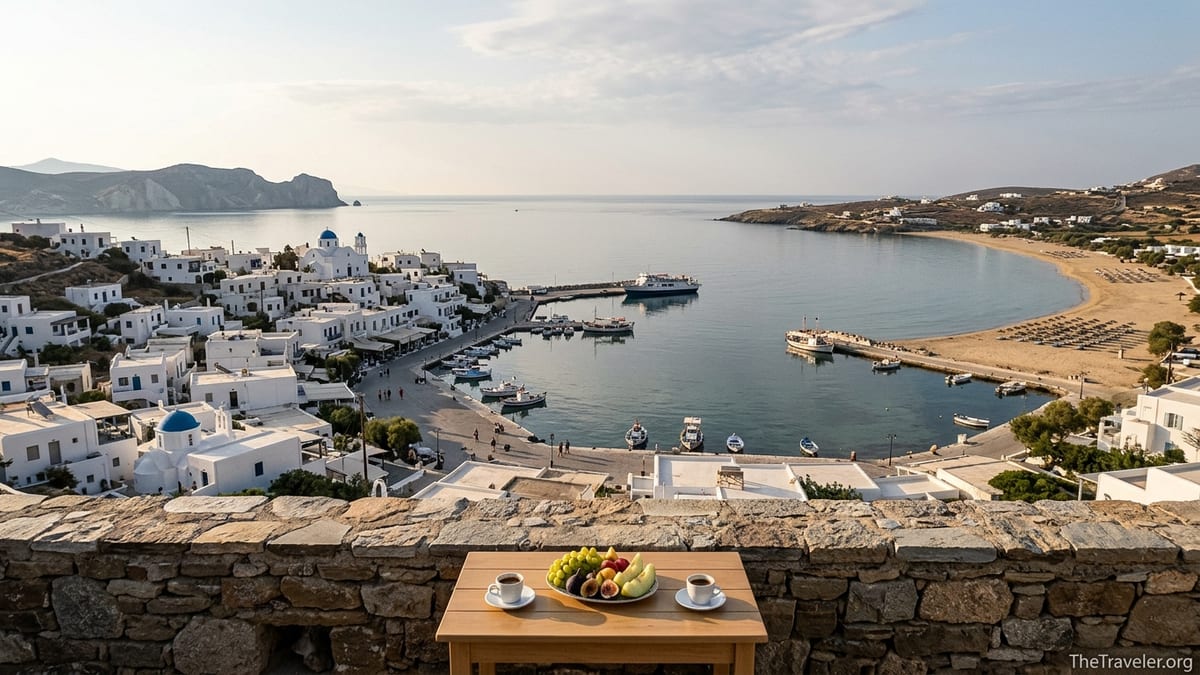
The Cyclades are the Greece many travelers imagine before they ever set foot in the Aegean: whitewashed villages, blue-domed churches, golden beaches and a different ferry on the horizon every hour. Yet choosing between headline islands like Santorini and Mykonos and quieter stars such as Naxos, Paros, Milos, Sifnos or Folegandros can feel overwhelming. This guide compares the key islands side by side so you can match your budget and travel style to the right place for beaches, nightlife, romance, families, food and overall value.
How the Cyclades Compare at a Glance
If you are starting from Athens, most Cyclades trips begin with a ferry from Piraeus or Rafina. In summer 2026 there are daily sailings to major hubs like Paros, Naxos, Mykonos, Santorini and Milos, with typical economy tickets from roughly 35 to 60 euros one way from the mainland depending on speed and operator. High-speed ferries cut travel times to around 3 to 4 hours for routes such as Piraeus to Naxos or Paros, while conventional ferries can take 5 to 7 hours but cost a little less.
As a rule of thumb, Santorini and Mykonos are the most expensive islands in the Cyclades, with double rooms in high season often starting near 200 euros a night in popular villages and rising quickly for sea views and private pools. Naxos and Paros sit in the mid range, with comfortable family-run hotels and apartments in the 100 to 180 euro bracket in July and August. Milos, Sifnos, Syros, Amorgos and Folegandros still have a noticeable price advantage, especially if you travel in June or September when you can often find good rooms for under 120 euros a night.
Each island also has its own personality. Mykonos is the nightlife capital, with beach clubs and late bars aimed squarely at partygoers. Santorini is the global postcard for honeymoons and cliffside sunsets. Naxos and Paros are the all-rounders that balance beaches, villages and reasonable prices. Milos is the rising star for dramatic beaches and boat trips, while Sifnos and Folegandros attract food enthusiasts and couples looking for quiet, romantic stays. Syros, Amorgos and the smaller islands appeal to travelers who care more about authenticity and hiking than glamour.
All of the major islands are linked by frequent summer ferries. For example, fast ferries typically run several times a day between Naxos and Paros in around 25 minutes and between Naxos and Santorini or Mykonos in a little over an hour. Smaller islands such as Folegandros, Sifnos and Amorgos usually have at least one daily or near-daily summer connection either from Piraeus or from a nearby hub like Milos, Naxos or Santorini, which makes it easy to combine a well-known island with a quieter one in a single trip.
Best Islands for Beaches and Swimming
Naxos consistently ranks as the strongest beach island in the central Cyclades, especially for travelers who want long, sandy stretches with shallow water. The beach run from Agios Prokopios through Agia Anna to Plaka offers several kilometers of soft sand and crystal-clear water that stays shallow well out from shore, making it particularly good for children and less confident swimmers. You will find rows of sunbeds and umbrellas in front of cafes and tavernas, but there is still ample free space where you can simply spread a towel.
Paros offers more varied but slightly shorter beaches. On the east coast, Golden Beach and New Golden Beach attract windsurfers and kitesurfers, while Santa Maria near Naoussa is a classic umbrella-lined sandy bay popular with younger couples and groups of friends. For something quieter you can base yourself near Aliki or Piso Livadi, where low-rise apartments and small hotels face sheltered bays that stay calm in moderate winds.
Milos has fewer conventional long beaches but excels in unique, photogenic spots reached either by road or boat. Sarakiniko, with its white volcanic rock and turquoise coves, feels almost lunar, while Kleftiko is accessible mainly by boat tours that include swimming stops in sea caves. These boat excursions usually cost somewhere between 60 and 120 euros per person in high season depending on the size of boat and what is included, and they are often cited by visitors as the highlight of a Milos trip.
For quieter swimming, look to Sifnos and Folegandros. On Sifnos, the horseshoe bay of Kamares and the sandy beach at Platys Gialos both offer relaxed tavernas right on the sand and calm water for families. Folegandros has smaller beaches such as Agali, connected to the clifftop main village by bus, and several more remote coves reached by hiking paths or small boats. These islands lack the scale of Naxos or Paros beaches but reward visitors who prefer quiet swims and a slower pace.
Where Couples Find the Most Romance
Santorini remains the first choice for honeymoons and special trips for a reason. The caldera-edge villages of Oia, Imerovigli and parts of Fira are packed with boutique hotels that carve private pools and jacuzzis directly into the cliff. In high season it is common for romantic suites with sunset views to cost several hundred euros a night, particularly in Oia. Couples who visit often say that two or three nights in a cliffside suite, combined with more affordable nights on another island, is a good way to balance the budget.
A more relaxed and less expensive romantic option is to stay in Santorini’s inland villages. Pyrgos and Megalochori have restored mansions and cave houses that are a short drive from the caldera but priced lower than Oia. Many of these properties feature wine cellars or small courtyards, and you can dine in local tavernas that still attract a mix of residents and visitors. Renting a small car or arranging transfers makes it easy to reach the main viewpoints at sunrise or after day-tripper crowds have left.
Folegandros has become a favorite for couples seeking romance without Santorini’s scale and cruise crowds. The main village, known simply as Chora, sits dramatically along a cliff ridge with several small squares connected by pedestrian lanes. Candlelit restaurants and low-key wine bars line the terraces, and it is common to walk from your guesthouse to dinner in just a few minutes. Accommodation here ranges from simple studios to upscale small hotels with infinity pools facing the sea, typically at lower nightly prices than Santorini’s caldera.
Sifnos and Milos also stand out for couples who enjoy good food and stylish but understated stays. On Sifnos, the village of Apollonia and the seaside settlement of Platis Gialos host several design-minded boutique hotels along with high-quality tavernas specializing in local recipes. Milos offers suites carved into old quarries or perched above quiet fishing coves such as Klima, where colorful boat garages called syrmata sit right at the water’s edge. These islands feel especially appealing for couples who prioritize relaxed evenings, slow breakfasts and long swims over nightlife.
Nightlife, Beach Clubs and Late Bars
Mykonos is the unchallenged nightlife capital of the Cyclades. The main town, sometimes called Mykonos Town or Chora, is a dense maze of white alleys filled with bars, clubs and late-night eateries. Many visitors begin the evening with sunset drinks in the Little Venice area, then move on to bars where DJs play until early morning. A typical cocktail in a well-known bar might cost around 15 to 20 euros, and club entry fees rise on nights with international DJs.
The party energy continues at the beaches. Psarou, Paradise and Super Paradise are among the best-known beach club areas, where sunbeds can be booked in advance and daytime music often transitions directly into sunset parties. Renting a pair of sunbeds with umbrella at one of the most fashionable clubs can cost over 100 euros in peak season, while more modest beach bars on other parts of the island charge significantly less. Mykonos attracts a diverse crowd, including LGBTQ+ travelers, groups of friends and luxury seekers who enjoy the island’s high-end hotels and shopping.
Paros and Ios provide a scaled-down version of the Mykonos experience. On Paros, the port of Parikia and the fishing village of Naoussa both have compact bar areas where you can bar-hop within a few streets, with music that tends to be lively but stops earlier than in Mykonos. In Naoussa, waterside bars in the old harbor fill with people in their 20s and 30s in July and August, giving the village a holiday buzz without feeling like a dedicated party island. Ios, reachable by ferries from Santorini and other hubs, has long attracted budget-conscious backpackers and younger travelers who fill the hilltop main village at night.
Santorini’s nightlife is more about sunset bars and rooftop cocktails than large clubs. Fira has the highest concentration of late-night venues, including bars perched on the caldera edge where you can watch the last ferries depart as the lights come on. The cost of drinks is similar to Mykonos in the most dramatic locations, though it is easy to find more modestly priced tavernas on side streets. Other islands such as Naxos, Milos, Sifnos and Folegandros have low-key evening scenes centered on seaside promenades and village squares, where a few bars stay open late but the atmosphere is more conversational than clubbing-focused.
Families, Food and Slower Travel
For families, Naxos and Paros are usually the most practical choices. Naxos Town offers car-free lanes, a shallow sandy bay and a range of family-run hotels and apartments with kitchenettes. From here you can walk or take a short bus ride to Agios Georgios or Agios Prokopios for easy beach days. Local buses run frequently along the west coast beach road in summer, making it straightforward to get around without hiring a car, although many families do rent small vehicles for flexibility when exploring mountain villages and inland sites.
Paros suits families who enjoy a mix of beaches, short day trips and village wandering. Staying in Parikia keeps ferry arrivals simple and gives easy access to the long town beach and harbor promenade. Alternatively, basing in Naoussa offers a charming harbor and quick boat connections to nearby beaches. Ferry links to neighboring Antiparos open up extra day trip options such as shallow family beaches and small caves. Prices for casual meals, such as a shared Greek salad, grilled fish and soft drinks for a family of four, remain broadly similar across Naxos and Paros and are usually lower than in Santorini and Mykonos.
Food-focused travelers often single out Sifnos as their favorite Cycladic island. It has a long culinary tradition, and many of its villages host tavernas known for slow-cooked chickpea stews, local cheeses and oven-baked dishes. In recent years a handful of more contemporary restaurants have appeared, especially in Apollonia, where chefs interpret classic island recipes with modern touches. The island also offers cooking classes and food-themed walking tours in peak months, which can be a rewarding alternative to another day on the beach.
Amorgos, Syros and the Small Cyclades are ideal for travelers who prioritize authenticity and hiking over beach clubs or shopping. Amorgos attracts walkers who follow cliffside paths between monasteries, coves and tiny chapels, while Syros, the capital of the Cyclades, combines beaches with an elegant 19th-century town built on hills above the harbor. The so-called Small Cyclades, including islands such as Koufonisia and Donousa, offer simple pensions, clear water and a slow rhythm of life that particularly appeals to repeat visitors and longer-stay travelers who want to disconnect.
Luxury, Affordability and When to Go
Luxury accommodation is most concentrated in Santorini and Mykonos, where five-star hotels, villa-style suites and branded properties cluster around prime viewpoints and beaches. In Santorini this generally means the caldera villages and high-end resorts on the east coast, while in Mykonos it centers on Mykonos Town and nearby beaches. Guests at these properties often arrange private transfers from the airport or port, sunset sailing trips with onboard dinners and concierge-arranged tables at popular restaurants and clubs.
For travelers prioritizing value, Naxos and Paros strike the best balance between quality and price. Both islands offer plenty of mid-range hotels within easy walking distance of the beach or main town, and it is still possible to find clean, simple rooms in family-run pension houses at more modest rates, especially if you book for June or September rather than late July or August. Milos, Sifnos and Amorgos remain slightly less expensive overall, although prices have been rising as they become better known. These islands are excellent for travelers who are happy with stylish but low-key accommodation, often with fewer amenities but strong sense of place.
Ferry tickets add noticeably to an island-hopping budget, so it pays to design a logical route. If you start from Athens, one cost-effective approach is to sail to Naxos or Paros first, then add a side trip to either Mykonos or Santorini and perhaps a quieter island such as Milos, Sifnos or Folegandros before looping back toward the mainland. For example, a route such as Piraeus to Naxos, then on to Paros and finally to Santorini uses short inter-island hops of roughly 1 to 2 hours each, often with prices starting in the range of 10 to 35 euros between neighboring islands depending on speed and season.
Timing has a big impact on both price and experience. July and August bring the highest prices, the most frequent ferries and the strongest meltemi winds, which can be refreshing on hot days but sometimes lead to choppy seas and occasional disruptions. June and September usually offer warm sea temperatures, reliable ferry schedules and noticeably lower accommodation prices, while May and early October are ideal for hikers and photographers who prioritize cooler air and fewer crowds over swimming all day.
Planning Your Perfect Cyclades Combination
When travelers try to decide between Santorini, Mykonos, Naxos, Paros, Milos, Syros, Sifnos, Folegandros and Amorgos, it helps to think in combinations rather than single islands. A classic first-time pairing is Santorini and Naxos. You might spend three nights in a caldera-view hotel in Santorini to experience the famous sunsets, volcano boat trip and Akrotiri archaeological site, followed by five or six nights in Naxos for beach time, castle exploring in the old town and a day visiting mountain villages like Apeiranthos.
Another popular combination is Naxos or Paros with Mykonos. In this scenario you could base in Naxos or Paros for a week in a more relaxed atmosphere and then add two or three nights in Mykonos for nightlife and beach clubs. Fast ferries can cover routes such as Naxos to Mykonos or Paros to Mykonos in under 90 minutes in summer, so you can arrive in the afternoon and still have a full evening out. This structure lets you enjoy Mykonos’s energy without committing your entire stay to higher hotel prices.
For travelers who care more about scenery and quiet than major name recognition, Milos, Sifnos and Folegandros combine well in a single itinerary. You could fly or ferry to Milos, spend several days taking boat tours around the island and exploring its beaches, then hop to Sifnos for a food-focused stay in Apollonia and finally finish with a few days on Folegandros, watching the sunset from the clifftop church and hiking to remote coves. These islands tend to appeal especially to couples in their 30s to 50s, design-conscious travelers and repeat visitors to Greece.
Amorgos and Syros often round out itineraries for people who have already visited the best-known Cyclades islands. Amorgos offers rugged paths, monasteries clinging to cliffs and deep blue water that featured in classic diving films, while Syros’s main town, with its neoclassical squares and opera house, feels almost Italian in character. Both islands have direct ferries from Piraeus on many summer days, and they also connect to hubs like Naxos and Paros, making them relatively straightforward to include in a longer island-hopping route.
The Takeaway
There is no single “best” island in the Cyclades, only the one that best fits your travel style, budget and timing. Santorini offers unforgettable volcanic scenery and luxury clifftop stays but commands some of the highest prices in the Aegean. Mykonos delivers world-class nightlife, stylish beach clubs and a cosmopolitan crowd that keeps the island buzzing from June through September. Naxos and Paros are the most versatile choices, with excellent beaches, a range of accommodation and easily arranged day trips to smaller islands.
Milos, Sifnos and Folegandros are ideal for travelers who have perhaps already visited more famous islands or who instinctively prefer quieter, more scenic places. Here the highlights are dramatic coastlines, local food and relaxed evenings rather than big-name clubs. Syros and Amorgos, along with the very small Cyclades, still feel largely Greek in their everyday rhythm and reward visitors who take the time to explore inland villages as well as beaches.
When planning, decide first whether beaches, nightlife, romance, food, family convenience or budget matter most to you. Then choose one main hub island that matches those priorities and add one or two contrasting islands within a short ferry hop. With a little thought, you can create an itinerary where every leg feels different: one island for sunsets, one for long sandy beaches, another for food or hiking. However you combine the Cyclades, the white villages, blue water and late-evening light will likely tempt you to plan a return visit before you have even boarded the ferry back to Athens.
FAQ
Q1. Which Cyclades island is best for first-time visitors?
For most first-time visitors, a combination of Santorini and Naxos works well. Santorini offers iconic views and volcanic scenery, while Naxos provides long sandy beaches, a relaxed town and better overall value. If you want fewer crowds and lower prices, consider swapping Santorini for Paros or Milos.
Q2. Which island has the best beaches in the Cyclades?
Naxos is often considered the top beach island thanks to its long, sandy west coast beaches such as Agios Prokopios, Agia Anna and Plaka, all with shallow, clear water. Paros, Milos and the smaller islands like Koufonisia also have excellent beaches, but Naxos stands out for the combination of length, sand quality and accessibility.
Q3. Where should couples go for a romantic stay?
Santorini is the classic choice for honeymoons and anniversaries, especially in caldera villages like Oia and Imerovigli. Couples seeking quieter but still romantic settings often prefer Folegandros, Sifnos or Milos, where boutique hotels, scenic cliffs and good food replace Santorini’s crowds and higher prices.
Q4. Which Cyclades island is best for nightlife?
Mykonos is the clear leader for nightlife, with busy beach clubs at Psarou, Paradise and Super Paradise and late bars in Mykonos Town. Ios offers a younger, more budget-friendly party scene, while Paros and Santorini provide a moderate amount of bars and sunset venues without feeling like full-on party islands.
Q5. What are the best islands in the Cyclades for families?
Naxos and Paros are generally the most family-friendly thanks to their shallow beaches, range of mid-priced accommodation and easy transport. Naxos’s west coast beaches are particularly good for younger children, while Paros offers short boat trips to nearby Antiparos and plenty of calm bays near Parikia and Naoussa.
Q6. Which islands offer the best value for money?
Compared with Santorini and Mykonos, islands like Naxos, Paros, Milos, Sifnos, Amorgos and Syros usually have lower hotel prices and more affordable tavernas. If you avoid late July and August and travel in June or September, you can often find quality rooms in these islands for noticeably less while still enjoying warm weather and active ferry schedules.
Q7. How easy is it to travel between Cyclades islands?
In summer, ferry connections between major hubs such as Naxos, Paros, Mykonos and Santorini are frequent, with multiple daily sailings. Smaller islands like Sifnos, Folegandros and Amorgos typically have at least one daily or near-daily ferry from Piraeus or nearby hubs. It is wise to book popular routes in advance in peak season and to allow some flexibility for occasional weather-related changes.
Q8. When is the best time to visit the Cyclades?
June and September are often ideal, with warm sea temperatures, fewer crowds and lower prices than July and August. May and early October are excellent for hiking and photography but can feel cooler for all-day swimming. July and August offer the liveliest atmosphere and the most frequent ferries but also the highest prices and stronger seasonal winds.
Q9. Do I need a car on the islands?
You can rely on buses and taxis on larger islands like Santorini, Mykonos, Naxos and Paros, particularly if you stay near main towns and beaches. However, renting a small car or scooter for at least a few days often makes it easier to reach remote beaches and inland villages. On smaller islands such as Folegandros or Sifnos, limited but reliable bus networks and short distances mean many visitors combine buses with occasional taxi rides or short-term rentals.
Q10. How many islands should I visit in one trip?
For a one-week trip, two islands are usually enough to avoid spending too much time on ferries. In 10 to 14 days, you can comfortably visit three or even four islands if they are connected by short routes, such as Naxos, Paros, Mykonos and a smaller island nearby. It is generally better to see fewer islands well than to rush through many with limited time on each.