


Choosing the best beaches in Greece is less about finding a single perfect cove and more about matching sand, sea and scenery to the kind of holiday you want. From pink sand lagoons in Crete to dramatic white cliffs in the Ionian, this guide focuses on real-world beach conditions: what the sand feels like underfoot, how easy the swimming is, how you actually get there, and what you will find when you arrive. It highlights both famous and lesser-known beaches across Crete, Zakynthos, Milos, Lefkada, Kefalonia, Halkidiki, Naxos and a few other islands, so you can plan days that fit your group, your budget and your tolerance for crowds.
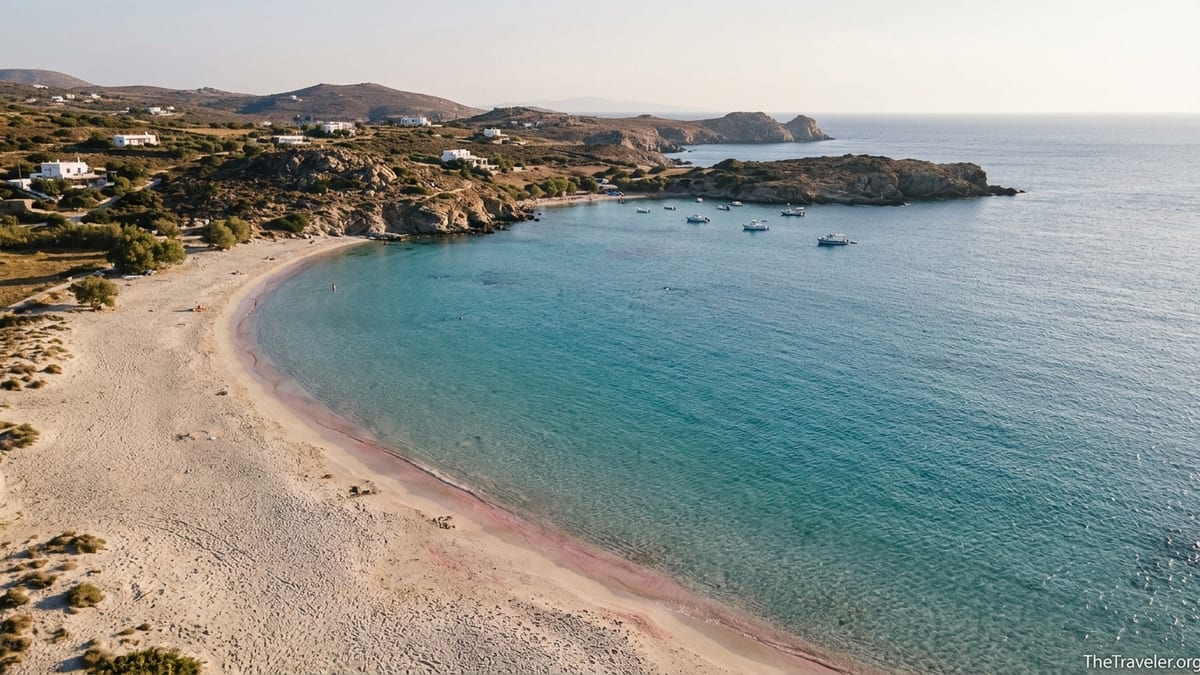
How to Choose the Right Greek Beach for You
Before zooming in on specific islands, it helps to think about three practical factors: sand type, swimming conditions and access. In Greece, “sandy beach” can mean anything from baby-soft, pale grains ideal for toddlers, like the lagoon shallows of Elafonissi in southwest Crete, to coarse sand mixed with pebbles, like parts of Myrtos in Kefalonia. Families with small children often prefer fine, light sand that does not get too hot and does not hurt bare feet. Couples focused on scenery might happily trade softer sand for a more dramatic backdrop of cliffs or dunes.
Swimming is just as important as sand. Many of Greece’s poster beaches are visually spectacular but have quick drop-offs or variable waves. On windy days, the surf at exposed beaches such as Falasarna in western Crete or some stretches of Lefkada’s west coast can be rough, better suited to confident swimmers. In contrast, protected lagoons such as Elafonissi in Crete or Agios Prokopios on Naxos usually offer shallow, warmer water that is easier for children and less experienced swimmers.
Access and facilities shape how relaxing your day actually feels. Some of the most photographed coves, like Balos on Crete or Porto Katsiki on Lefkada, involve either a staircase, a steep path or a boat ride. Others, such as Plaka on Naxos or the long sandy stretches of Halkidiki’s Sithonia peninsula, are effectively “drive-up” beaches, with tavernas, small markets and sunbed rentals within a few minutes’ walk. Knowing your group’s appetite for steps, hikes and crowds will help you decide whether to commit to a full-day mission or choose an easy swim with a taverna lunch straight off the sand.
Crete: Pink Sand Lagoons and Wide West Coast Beaches
Crete is big enough to offer nearly every type of beach Greece is known for, but three stand out for sand and scenery: Elafonissi, Balos and Falasarna. Elafonissi regularly appears on international “world’s best beaches” lists for its pale sand that often shows a pink tint from crushed shells and for its shallow turquoise lagoon. The sand is mostly soft, with some slightly coarser patches closer to the dunes. In summer, organized sections with sunbeds and umbrellas sit alongside stretches where you can put down your own towel. Shallow, usually calm water makes it a strong choice for families who want a near-Caribbean feel without leaving Europe, although by late morning in July and August it can feel very busy.
Balos, on Crete’s northwest tip, is about dramatic lagoon scenery framed by rocky headlands and a small island offshore. The “sand” here is a mix of pale sand and small shell fragments; it can feel slightly crunchier underfoot than Elafonissi but is still comfortable for barefoot walking. Reaching Balos historically involved either a rough dirt road plus a hike down from a parking area or a day boat from Kissamos that also stops at the islet of Gramvousa. Local authorities have periodically tightened rules around beach access and boat docking to protect the fragile environment, so expect some combination of a boat trip, a walk and potentially a short swim from a boat to shore. Facilities are limited compared to more developed beaches, which helps preserve the wild feel but means you should bring water, sun protection and snacks.
Falasarna, just south of Balos on the west coast, offers a simpler recipe: a series of long sandy bays, easy access from the main road and some of the best sunset views on Crete. The sand is generally soft and golden, comfortable without water shoes, and the seabed near shore is sandy too, though it deepens more quickly than in a lagoon. Several beach bars and tavernas rent sunbeds and umbrellas; expect to pay a modest per-day fee for a pair of loungers and shade, with prices higher for front-row sets. On windier days, waves can be significant enough to delight teenagers with bodyboards but may be intimidating for young children, so check the forecast and choose a calmer day if you want worry-free swimming.
Ionian Icons: Zakynthos, Kefalonia and Lefkada
The Ionian Islands on Greece’s west side have some of the country’s most photogenic beaches, combining deep turquoise water and dramatic cliffs with coarser sand or small pebbles. Navagio, or Shipwreck Beach, on Zakynthos is the most famous example: a narrow strip of pale pebbly sand backed by towering limestone walls and dominated by the rusting hulk of a shipwreck. Due to repeated rockfalls and safety assessments, authorities have periodically closed the beach itself and restricted both sea and land access. Boat tours from Zakynthos still typically include offshore views of the cove, but travelers should check the latest local guidance if their heart is set on stepping onto the sand.
Kefalonia’s star, Myrtos Beach, has a similar dramatic look: a long curve of bright white pebbles and coarse sand beneath steep cliffs. The road down is a series of hairpin bends, paved but steep, leading to parking areas near the shore that fill quickly on peak summer days. Underfoot, the mixture of small pebbles and grains means water shoes can be helpful, although many visitors simply walk barefoot. The sea is a striking electric blue, thanks to fine limestone sediment in the water, but it can become deep quickly with a noticeable shore break when swells roll in. Seasonal facilities usually include a canteen, toilets and a section of sunbeds, but Myrtos remains more of a natural beach than a fully serviced resort strip.
Lefkada offers some of Greece’s most beautiful west coast beaches, such as Porto Katsiki, Egremni and Kathisma, each with different trade-offs between scenery and ease of access. Porto Katsiki combines chalk-white cliffs, bright turquoise water and a narrow, mostly coarse-sand beach reached by a staircase from the parking area above. The sand here is mixed with small pebbles, and the sea becomes deep relatively quickly, best for confident swimmers. Egremni, once famed for its long staircase, has had changing access conditions after landslides and infrastructure work, so current advice from local tourist offices or accommodation hosts is important. For a more accessible option, Kathisma offers wide coarse-sand and pebble shore, organized sunbeds, beach bars and restaurants directly behind the beach, which suits travelers who want impressive scenery without major exertion.
Naxos and the Cyclades: Soft Sands and Family-Friendly Swimming
Naxos has some of the most consistently soft and family-friendly beaches in the Cyclades, with long, shallow shelves of sand and relaxed island scenery rather than sheer cliffs. Agios Prokopios is a good example: a long arc of fine golden sand where the seabed remains sandy and shallow for many meters offshore. This makes wading and swimming relatively easy even for young children, and in typical summer weather, waves are moderate. The village behind the beach offers tavernas, bakeries, small supermarkets and a range of simple rooms and mid-range hotels, so you can base yourself within a short walk of the water.
Continuing south, Agia Anna and Plaka form an almost continuous stretch of similar soft sand, with Plaka in particular offering a more low-key, spacious feel. The sand here is fine to medium-grain and comfortable underfoot, and the water is usually clear with a sandy bottom. Sections of the beach are organized with sunbeds and umbrellas, while others remain almost empty even in high season, especially if you walk 10 to 15 minutes away from parking clusters. Compared with more rugged islands, the relative lack of steep cliffs or long staircases makes Naxos practical for travelers who tire easily in the heat or are managing beach gear for a family.
On nearby islands like Paros, beaches such as Golden Beach and Kolymbithres offer varied experiences, from long sandy bays popular with windsurfers to small coves framed by sculpted granite rocks. The sand on Golden Beach is fine and light, although breezier conditions suit active travelers more than those seeking perfectly calm water. In many Cycladic islands, you will find a pattern of at least one easily accessible village-side beach with softer sand and then several more rugged coves reachable only by dirt roads or short hikes, giving you a daily choice between convenience and adventure.
Milos and Other Aegean Islands: Moonlike Rocks and Sheltered Coves
Milos has become a favorite among travelers who like small-scale, varied beaches and striking geology. Sarakiniko is its most photographed spot, famous for smooth white volcanic rock shelves that slope down into intensely blue water. There is only a small patch of actual sand; most people lay towels on the warm rock. Swimming varies from gentle entries via low ledges to deeper areas where confident swimmers jump from higher rocks into clear water. Because the rock platform is largely unshaded and can become very hot by midday, many visitors aim for early morning or late afternoon, combining swimming with exploration of the lunar-like landscape.
For softer sand and easier swimming on Milos, beaches such as Achivadolimni, Firiplaka and Provatas are better bets. Achivadolimni offers a long curve of sand, shallower water and more space to spread out, often with a more local crowd. Firiplaka combines soft sand with colorful cliffs and usually calm, clear water that remains shallow enough for relaxed swimming near shore, while still providing deeper sections further out. Facilities on these beaches typically include at least one seasonal beach bar or taverna and some organized sunbed areas, but you can still find undeveloped stretches if you prefer to bring your own umbrella and picnic.
On smaller islands such as Koufonisia and Amorgos, you will encounter a mix of golden-sand coves and rocky inlets. Pori Beach on Ano Koufonisi has fine sand and shallow turquoise water in a wide bay, but it requires either a longer walk or a small boat from the main settlement. Amorgos, by contrast, leans more toward pebble and rocky entries with excellent snorkeling. These Aegean islands often appeal to travelers who are less focused on full-service beach clubs and more interested in walking between remote coves, carrying their own gear and discovering informal seaside tavernas at the end of a swim.
Halkidiki and Mainland Options: Easy Sands and Pine-Fringed Bays
Not all of Greece’s best beach experiences are on the islands. The three peninsulas of Halkidiki, southeast of Thessaloniki, offer miles of soft-sand beaches where pines grow close to the shore and the sea is often calmer than on the Aegean islands. On the middle peninsula of Sithonia, beaches such as Kavourotrypes, Sarti and Kalamitsi combine pale sand with green-blue water and a backdrop of low hills. The seabed near shore is usually sandy, and most beaches have at least a small cluster of tavernas or cantinas where you can get a simple lunch of grilled fish, salad and local wine without leaving the beach area.
Many Halkidiki beaches are straightforward “drive up and park” affairs, suitable for families and first-time visitors to Greece who do not want the logistics of inter-island ferries. You will often find a mix of free sections, where you can place your own umbrella, and organized beach bars renting sunbeds along with drinks and snacks. Prices are generally lower than on heavily touristed islands; it is common in many areas of Greece to pay for a drink from the bar in exchange for using a sunbed set for several hours, although formal rental fees also exist depending on local rules and operators.
On the Pelion peninsula and around the Peloponnese, travelers can find both sandy and pebbly beaches framed by villages that remain active outside the core tourist season. Places like Voidokilia in Messenia, a near-perfect sand crescent backed by dunes and a lagoon, or the beaches near Stoupa and Kardamyli combine appealing swimming with the ability to pair beach days with hikes or archaeological visits. Sands here range from fine and pale at Voidokilia to coarser mixes of sand and small pebbles in Mani, so water shoes can be useful if you plan to explore several different coves.
Beach Logistics: Crowds, Costs and Safety
Understanding how Greek beaches work in practice will save time and frustration once you arrive. In July and August, famous spots such as Elafonissi, Balos, Myrtos, Porto Katsiki and Sarakiniko can feel very crowded between late morning and mid-afternoon. To have more space and cooler temperatures, many travelers aim to arrive by about 9 a.m., enjoy the first hours with fewer people, and leave for a shaded lunch when the heat peaks. Shoulder months such as late May, June and September often provide a better balance of warm sea temperatures and manageable crowds, especially for families.
Facilities vary widely. Some beaches are fully organized with lifeguards, toilets, changing cabins, showers and a line of beach bars renting sunbeds. Others, even when famous on social media, might offer only a small snack kiosk and basic toilets or nothing at all. A typical pattern on islands like Crete or Naxos is to pay a moderate fee for a pair of sunbeds and an umbrella for the day, or to order drinks from a beach bar that includes the use of loungers in the price. It is always wise to carry cash as card machines sometimes struggle with mobile signal on remote coasts, and to bring your own shade for less-developed coves where there are no trees.
Safety on Greek beaches mostly comes down to respecting conditions and following local signs. Many areas have flags or notices indicating whether swimming is advised, and cliffs above popular coves sometimes carry warnings or roped-off zones due to rockfall risk. In recent years, authorities on islands like Zakynthos have restricted access to some beaches with unstable slopes, not to spoil the experience but to prevent injuries. When arriving by boat, pay attention to crew instructions about where it is safe to swim and how strong currents can be near cave mouths or headlands. For families, choosing beaches with gradual entry, lifeguard presence and minimal motorboat traffic near the swimming zone will make days more relaxing.
Planning Your Island-Hopping Beach Itinerary
For a first-time traveler focused on beaches, one practical strategy is to choose a base island that combines easy, soft-sand swimming with a few more adventurous day trips. On Crete, staying near Chania gives access to quieter north coast beaches for spontaneous swims and then day excursions by rental car or organized tour to Elafonissi, Falasarna or Balos. On Naxos, you can book accommodation a short walk from Agios Prokopios or Plaka and then take local buses or day ferries to nearby islands like Paros or Koufonisia for variety.
Travelers drawn to intense scenery might base themselves in the Ionian, pairing a week on Kefalonia or Lefkada with a separate stay on Zakynthos. In practice, this often means renting a car on each island to reach signature beaches early in the day before parking fills, and then using afternoons to explore inland villages or vineyards. Those who prefer calmer water and pine-fringed sand might skip island ferries altogether and spend a week in Halkidiki, combining beach days with short drives to hilltop viewpoints or boat trips along the Athos peninsula’s coast.
Whichever area you choose, keep practicalities in mind: bring reef-safe sunscreen and a hat, as shade can be scarce; pack light water shoes if you intend to visit pebble and rocky beaches; and budget for a mix of free beach days and a few splurges at organized beach clubs where you might pay more for premium loungers and full service. Planning around your group’s swimming confidence and interest in hikes, boat trips or simply doing very little will help you assemble a beach itinerary that feels both memorable and manageable.
FAQ
Q1. Which Greek island has the best beaches overall for soft sand and swimming?
Naxos and parts of Crete are strong all-rounders for soft sand and easy swimming. On Naxos, Agios Prokopios, Agia Anna and Plaka have long stretches of fine sand and shallow, sandy seabeds ideal for families or relaxed swimmers. In Crete, Elafonissi and Falasarna offer comfortable sand and generally clear water, though conditions can be windier than in the more sheltered Cyclades.
Q2. Is it still possible to visit Shipwreck Beach (Navagio) on Zakynthos?
Rules for Navagio change in response to safety assessments of the surrounding cliffs. In recent seasons, authorities have restricted or banned access to the beach itself from both sea and land after rockfalls, while still allowing boat tours that view the cove from offshore and visits to the clifftop lookout platform above. Travelers should check the latest local guidance or with tour operators on Zakynthos shortly before their trip to understand what is currently permitted.
Q3. What is the best time of year for warm water and fewer crowds?
Late May, June and September usually offer a good balance of pleasant air temperatures, increasingly warm sea water and fewer crowds than the peak school holiday period in July and August. By mid to late June, sea temperatures around popular islands such as Crete, Naxos and the Ionian islands are typically comfortable for long swims, and many beach facilities are fully open. September often brings slightly calmer atmospheres while the water remains warm from the long summer.
Q4. Do I need a car to reach the best beaches in Greece?
A car is very helpful on large islands such as Crete, Kefalonia and Lefkada, where many of the most beautiful beaches sit at the end of rural roads with limited public transport. That said, islands like Naxos and Paros have reliable seasonal bus networks linking main villages with popular beaches, and some destinations, including parts of Halkidiki, have beaches directly in front of hotels or guesthouses. If you prefer not to drive, choose a base close to a good beach and verify bus or boat connections before booking.
Q5. Are Greek beaches mostly sandy or pebbly?
Greece offers both, often on the same island. Crete, Naxos, parts of Halkidiki and many smaller Aegean islands have numerous sandy beaches, though some mix in small pebbles. The Ionian islands, including Kefalonia, Zakynthos and Lefkada, are especially known for white pebble and coarse-sand beaches that produce intense turquoise water. To avoid surprises, check recent photos and descriptions of specific beaches, and consider packing light water shoes if your itinerary includes places famous for pebbles.
Q6. How much do sunbeds and umbrellas typically cost on Greek beaches?
Prices vary by location and the style of beach bar, but on many islands a pair of sunbeds with an umbrella costs a modest flat fee for the day, often paid directly to the beach operator. At some organized beaches the loungers are tied to food and drink orders instead, with a minimum spend rather than a separate rental fee. High-profile or luxury beach clubs can charge significantly more for front-row loungers and full service, so it is worth asking about prices before settling in.
Q7. Which Greek beaches are best for young children and non-confident swimmers?
Shallow, protected beaches with sandy seabeds are ideal. Elafonissi’s lagoon in Crete, Agios Prokopios and Plaka on Naxos, several beaches on Halkidiki’s Sithonia peninsula and long, gently shelving sands near family-oriented resorts on the Peloponnese are all good options. In these places, children can usually stand in the water several meters from shore, and waves are typically smaller than at steep, cliff-backed beaches.
Q8. Are there quiet Greek beaches that still have basic facilities?
Yes. On Crete, sections of Falasarna and some south coast beaches offer a mix of space and low-key tavernas. In Naxos, walking 10 to 15 minutes away from main access points on Plaka can lead to quieter stretches that still sit within reach of cafes. In the Ionian, smaller bays on Kefalonia and Lefkada often have a single taverna and a limited number of sunbeds, providing basic comfort without the intensity of large beach clubs.
Q9. Can I rely on lifeguards at Greek beaches?
Many organized urban and resort beaches have lifeguards during the main summer months, especially in larger municipalities and developed tourist areas. However, remote coves, smaller islands and rugged, cliff-backed beaches may not have any formal supervision. Travelers should not assume lifeguard presence unless they can see a tower or staff on duty and should always judge conditions conservatively, particularly after storms or on windy days.
Q10. How should I plan for sun and heat on Greek beaches?
Sun in Greece can feel intense, particularly from late morning to mid-afternoon in summer. Plan to use high-SPF, reef-safe sunscreen, reapply often after swimming and wear a hat and light cover-up. Because natural shade is limited on many beaches, especially those without trees, bringing a compact umbrella or beach tent is wise if you are not sure about sunbed availability. Many travelers structure their day around an early morning or late afternoon swim, avoiding the harshest midday hours and instead taking a long taverna lunch in the shade.