


Planning a first or second trip to Greece can feel overwhelming. Between whitewashed islands, buzzing cities and dramatic mountain monasteries, there is no single “best” place to go. The right choice depends on whether you want nightlife or quiet coves, history or hiking, resort comfort or local neighborhoods. This guide compares Greece’s headline destinations and a few underrated gems, with concrete examples of what each offers in practice and which kinds of travelers they suit best.
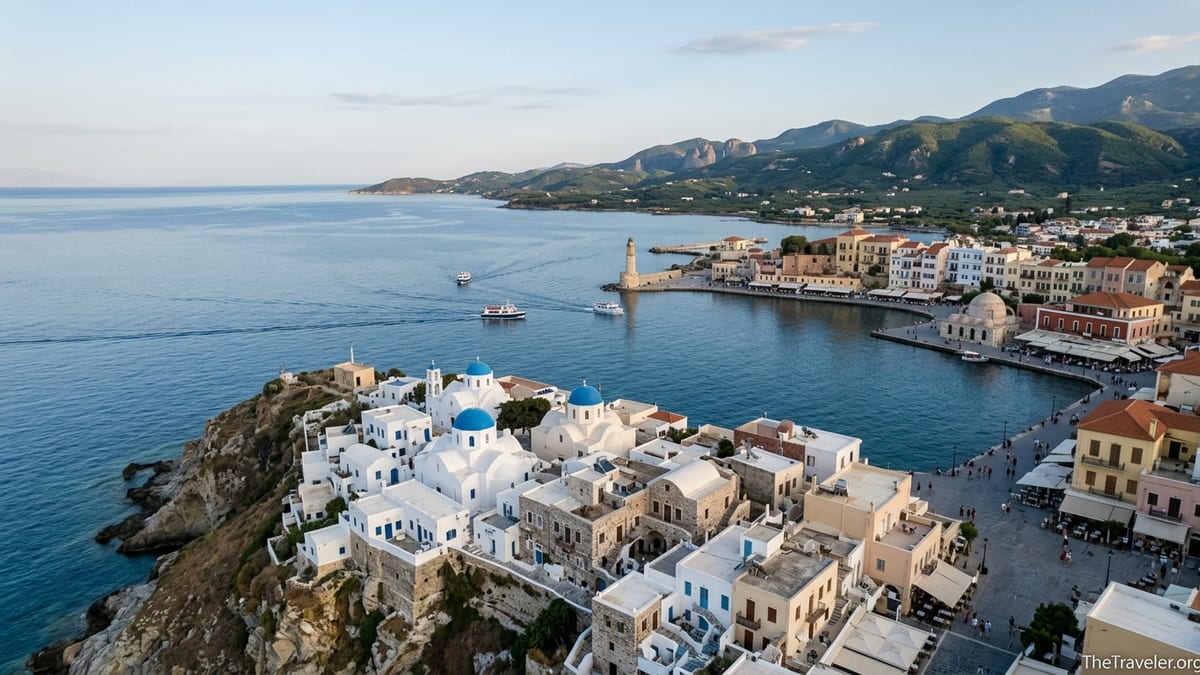
How to Choose Your Greek Destinations by Traveler Type
Before locking in flights and ferries, it helps to decide what kind of trip you want. A couple on a short honeymoon in May will enjoy different places than a family of four in August or a solo traveler in October. In reality, most itineraries combine two or three “types” of destination: a city base such as Athens or Thessaloniki, one major island like Santorini or Crete, and optionally a quieter island or mainland town to slow down.
Think in terms of time and logistics as much as dreams. For example, a 10 day trip that tries to squeeze in Athens, Santorini, Mykonos, Crete and Meteora risks turning into a race between ports and airports. On the ground that looks like repeated 5 am wakeups for early ferries from Piraeus or Heraklion, long waits in summer heat, and high last minute ticket prices well over 70 euros per person on popular routes. Many recent visitors instead choose one “iconic” island, one bigger base and one smaller town, which cuts transport stress and usually the budget.
Your budget and comfort level with renting a car also matter. Crete and parts of the Peloponnese reward travelers who are happy to drive, while compact islands like Paros and Naxos work well using buses and occasional taxis. Mainland highlights such as Meteora can be reached on organized day or overnight trips from Athens if you prefer not to rent a car at all.
Finally, consider timing. Peak season across much of Greece now runs roughly from late June through early September. In August especially, Santorini, Mykonos and parts of Crete can feel extremely busy and prices for standard hotel rooms often push well above 200 euros per night. Shoulder months like May, early June, late September and early October usually mean softer light, easier restaurant reservations and more realistic room rates, while many services remain fully open.
Athens and Thessaloniki: Urban Greece for Culture Lovers and Food Fans
Athens is usually the entry point and it pays to give the city at least two full days instead of treating it only as a layover. First time visitors often base themselves in or around Plaka, the historic old town under the Acropolis, or in nearby Koukaki and Thissio. These neighborhoods place you within a 10 to 20 minute walk of headline sites such as the Acropolis, the Acropolis Museum and the Ancient Agora, and you can reach them easily by metro from the airport via Syntagma or Monastiraki stations. Recent neighborhood guides highlight Koukaki and Petralona as good options if you want a slightly more residential feel but still be able to walk to the Acropolis in under 20 minutes.
For culture-focused travelers, Athens combines major ancient sites with a strong contemporary scene. You might spend a morning climbing the Acropolis, an afternoon at the National Archaeological Museum, and an evening in Psyrri or Exarchia where small bars host live music and modern Greek bistros serve dishes such as slow braised lamb with lemon potatoes. Practical costs are mid range by European capital standards: a central boutique hotel with Acropolis views in Koukaki or Makrygianni might run 150 to 220 euros in May, while simpler guesthouses or apartments in Petralona or Pangrati often fall under 120 euros outside August.
Thessaloniki, Greece’s second city in the north, suits travelers who want a more relaxed urban base with easy access to beaches and wine regions. Its waterfront promenade, the White Tower and its Byzantine churches provide plenty of sights, but daily life is centered on food and coffee culture. Because Thessaloniki’s airport is among the busiest in Greece, with many seasonal low cost flights from European cities, it can work well as a starting point for itineraries that include Halkidiki or northern mainland road trips. Here, a sea view hotel on the promenade is often cheaper than similar accommodation in central Athens, particularly outside peak weekends.
Who these cities suit most: travelers interested in history and street life, people who enjoy exploring neighborhoods on foot, digital nomads needing good cafes and cowork spaces, and food lovers who want modern restaurants as much as tavernas. Families with small children may prefer no more than two or three nights before heading to quieter destinations.
Santorini & Mykonos: Iconic Cyclades for Romance and Nightlife
Santorini’s volcanic caldera views are the images many people associate with Greece: white cave houses clinging to cliffs, blue domes and sunsets over the sea. Those scenes are real, concentrated in villages like Oia, Fira and Imerovigli. For honeymooners and couples celebrating a special occasion, waking up in a caldera view suite with a plunge pool can justify the cost. In May or October, suites with private terraces sometimes start around 250 to 300 euros, while in July and August similar rooms can easily exceed 500 euros per night. To keep costs manageable, many travelers now stay on the non caldera side in towns such as Kamari or Perissa, where beach hotels and apartments can be closer to 120 to 180 euros in shoulder season and you can still bus into Fira in around 20 to 30 minutes.
The reality of Santorini in high season includes crowds on narrow streets, reservations needed for popular sunset restaurants and busy public buses from the main hub at Fira. Most visitors stay three nights, long enough to walk from Fira to Oia along the caldera path, visit the Bronze Age site of Akrotiri, taste local assyrtiko wines at a winery terrace, and enjoy a sail around the caldera. Transport logistics are straightforward: daily flights connect with Athens and ferries run from Piraeus and other Cycladic islands, though summer sailings can sell out several days in advance.
Mykonos has a different energy. It combines a charming main town of white lanes and waterfront cafes with a busy beach and bar scene. Here, traveler type matters more than almost anywhere else in Greece. Party focused travelers base themselves near beaches like Paradise or Super Paradise where beach clubs play music well into the night and cocktails often cost as much as in major European cities. For a quieter stay, many visitors choose Ornos, Agios Ioannis or nearby inland villages and venture into Mykonos Town for evening strolls and dinner.
Because demand is high in July and August, Mykonos works best either in shoulder months such as June and September or as a short, targeted stop of two or three nights within a longer island hopping trip. Pricing reflects its reputation: it is not unusual to see modest double rooms above 250 euros in peak summer in central locations, and private transfers or taxis from the port and airport can feel expensive for short distances. This island is ideal for groups of friends, nightlife seekers and travelers who prioritize shopping and scene over quiet beaches or traditional villages.
Crete, Rhodes, Corfu & Zakynthos: Big Islands for Variety Seekers and Families
Crete is Greece’s largest island and works almost like a mini country, with four main regions and two airports. It rewards visitors who slow down rather than trying to cross it end to end in a few days. Many up to date local guides now suggest choosing a single base such as Chania, Rethymno or Heraklion and exploring from there, instead of splitting a short stay among multiple towns. Western Crete around Chania is famous for beaches like Balos, Elafonisi and Falasarna, plus the Samaria Gorge for hiking. Recent practical guides note realistic drive times of around 1 to 1.5 hours each way to major beaches from Chania, which makes three to five night stays an efficient choice for drivers.
Rethymno offers a balanced option about halfway between Chania and Heraklion, with a Venetian old town, long sandy beachfront and easier access to both western and central sights. Families who want resort style facilities often base themselves in larger hotel zones near Hersonissos or Gouves east of Heraklion, while travelers seeking quieter landscapes head south to places like Plakias or Matala or farther east to the Lassithi region. A comfortable double room in Chania’s old town in June might run 120 to 180 euros, while more modern beachfront resorts near Hersonissos in late July often start higher but include pools and half board.
Rhodes, near the Turkish coast, suits travelers who enjoy mixing medieval history with beach time. Its walled Old Town is a UNESCO listed site and feels different from Cycladic islands, with stone lanes and crusader era architecture. Many visitors split their time between a hotel in or near the Old Town for two nights and a resort area like Lindos or Faliraki for four to five nights. Package deals from European cities are common, especially in school holiday periods, so Rhodes can be cost effective for families who want a straightforward week by the sea and are happy to take day trips to places like the Valley of the Butterflies or nearby Symi island.
Corfu in the Ionian Sea is another strong all round option. Its old town architecture reflects Venetian and British influences, and green hills drop down to coves around Paleokastritsa, Kassiopi and the northeast coast. Compared with Cycladic islands, Corfu is the better choice in high summer for travelers who value shade and greenery as well as beach clubs and tavernas. Zakynthos, farther south in the Ionian, is known for dramatic Navagio (Shipwreck) Beach and for loggerhead turtles in Laganas Bay. It attracts younger crowds in some resort areas, but quieter villages such as Vasilikos or the north coast still feel low key. On both Corfu and Zakynthos, renting a small car for at least part of your stay is the easiest way to reach viewpoints, hill villages and less developed beaches.
These bigger islands are ideal for families, mixed age groups and first time visitors who want an easy base with supermarkets, medical services and many accommodation options. They also work well in June and September when sea temperatures are pleasant but crowds are lower than in August.
Naxos, Paros & Lesser Known Islands: Relaxed Cyclades for Food, Beaches and Local Life
Naxos and Paros have become favorites for travelers who like the whitewashed look of Santorini and Mykonos but prefer a calmer pace and better value. Naxos in particular suits longer stays. Its main town, often called Chora, has a portside promenade and small old quarter, while the long sandy beaches of Agios Prokopios, Agia Anna and Plaka stretch south with clear water and a mix of small hotels, studios and beach tavernas. Inland, villages like Halki and Apeiranthos showcase traditional stone lanes and local cheese and citrus products. Many visitors stay a week in Naxos, rent a car for two or three days to explore the interior and more distant beaches, and rely on buses and walking for the rest.
Paros offers a slightly more polished feel, with Naoussa in the north known for its waterfront restaurants and boutique hotels that appeal to couples and style conscious travelers. The main port town of Parikia is more practical and often cheaper, with easy bus links to several beaches. Day trips to smaller Antiparos are common, and ferries between Paros and Naxos are short enough that some travelers base on one island and visit the other for a day. In terms of budget, mid range double rooms in June can still be found around 120 to 180 euros in both islands, though waterfront boutique properties in Naoussa or Plaka Beach may be significantly higher.
Beyond these, dozens of lesser known islands cater to specific traveler types. Serifos and Sifnos attract hikers and food lovers who appreciate well maintained trails and high quality tavernas without large resorts. Milos has become popular for its unique rock formations and boat trips to coves like Kleftiko, and many younger travelers pair it with a busier island such as Santorini or Mykonos. In the Dodecanese, islands like Symi and Kastellorizo offer postcard harbors and pastel houses suited to travelers seeking somewhere slow and photogenic, with a smaller selection of accommodation that rewards booking far ahead for July and August.
These islands generally suit visitors who value beaches, small scale local businesses and evenings that revolve around waterfront tavernas rather than clubs. They are particularly appealing in shoulder season, when ferries run regularly but room availability and prices are still manageable. For solo travelers and remote workers, a month in Naxos or Paros outside peak summer can be an attractive alternative to Athens, combining beach life with a stable routine.
Mainland Highlights: Meteora, Nafplio, Halkidiki and Beyond
Greece’s mainland offers some of the country’s most memorable landscapes and is often easier to reach than people expect. Meteora, in central Greece, is a cluster of monasteries perched on towering rock pillars, reachable by direct trains or organized coach tours from Athens and Thessaloniki. Many travelers opt for an overnight stay in Kalambaka or the village of Kastraki rather than a very long day trip, so they can join sunset or early morning small group tours that avoid the busiest hours. Practical costs here are often lower than on the islands: a clean guesthouse room with breakfast can be found around 70 to 100 euros in shoulder months, and local tavernas serve hearty plates of grilled meats and stews at prices that feel modest compared with Santorini.
Nafplio, in the Peloponnese, is one of the most atmospheric small towns in Greece and an excellent choice for couples, families and history fans who prefer a walkable base. Located about two hours by road from Athens, it combines a seafront promenade, Venetian style old town and the hilltop Palamidi fortress, which rewards climbers with wide views across the Argolic Gulf. Many travelers link Nafplio with visits to the archaeological sites of Mycenae and Epidaurus, either by rental car or with local tour companies. A long weekend in Nafplio often feels more relaxed than an equivalent stay on a busy island during August, and room rates outside school holidays are usually moderate.
Halkidiki, east of Thessaloniki, is known for its three peninsulas of Kassandra, Sithonia and Athos. Kassandra tends to have the liveliest resort towns and nightlife, while Sithonia is more low key, with pine covered hills dropping down to coves and small campsites. Athos is home to an autonomous monastic community that is mostly closed to casual tourism, but coastal towns nearby offer boat trips that view the monasteries from offshore. Because Thessaloniki airport has many seasonal flights, Halkidiki works well for travelers who want a direct connection followed by a one to two hour transfer to their beach hotel.
Other mainland areas to consider include the Pelion peninsula, popular with Greek families for its combination of forested villages and Aegean beaches, and the region around Ioannina and Zagori in Epirus, which appeals to hikers interested in stone villages and the Vikos Gorge. These destinations suit repeat visitors who have already seen Athens and a major island, or first timers who prefer road trips and nature over ferries and nightlife.
Matching Destinations to Common Traveler Profiles
Once you understand what each place offers, it becomes easier to match destinations to your style. For a first time couple on a 10 to 12 day trip in May or September, a practical route might look like three nights in Athens, five nights in Naxos or Paros, and two nights in Santorini for the caldera views before flying back to Athens. That gives a mix of city culture, relaxed beach time and iconic scenery without too many ferry changes. In real terms, that itinerary would likely involve one domestic flight between Athens and Santorini and two ferry legs between the islands, with enough slack for weather delays.
Families with school age children in July or August often do best choosing a single large island or one island plus a mainland town. For example, a week near Chania in Crete, with a rental car for three or four days to reach beaches and villages, followed by three nights in Nafplio before flying out of Athens. That combination limits ferry travel for kids and places you mostly within a two hour drive of airports, while still delivering beaches, castles and archaeological sites. Booking a self catering apartment or small villa with a pool in Crete can also help control costs when restaurant prices on popular waterfronts climb in high season.
Solo travelers and digital nomads might prefer Athens plus one or two islands with strong shoulder season communities. Mixing a longer stay in neighborhoods like Koukaki or Pangrati, where monthly apartment rentals are available and you can develop routines in local cafes, with several weeks on Naxos, Paros or Rhodes can provide a good balance between social life and quiet work days. Here, considering local infrastructure matters: not all smaller islands have stable high speed internet or long season supermarkets, while cities and larger islands usually do.
For return visitors who have already seen Athens and the famous islands, focusing on one region such as the Peloponnese, Epirus or the Ionian islands can be rewarding. A road trip that links Nafplio, Monemvasia and Mani, or time split between Corfu and nearby Paxi, often delivers exactly the balance of authenticity, scenery and comfort that experienced Greece travelers look for, without the crowd levels of Santorini in August.
The Takeaway
There is no single best place to visit in Greece, only better matches for different travelers, seasons and budgets. Athens and Thessaloniki anchor many trips with culture and cuisine, while Santorini and Mykonos provide high impact postcard views and nightlife for those who want them. Large islands like Crete, Rhodes, Corfu and Zakynthos offer variety and practical comforts, and smaller Cyclades such as Naxos and Paros balance beaches with local life.
Mainland highlights like Meteora, Nafplio and Halkidiki round out the picture and can often be reached more easily than an additional island, especially on shorter itineraries or outside peak ferry schedules. When planning, think in terms of how many transfers you genuinely want to make, which months you will travel, whether you are comfortable renting a car, and how you prefer to spend your evenings. With those answers clear, it becomes much easier to choose two or three destinations that fit together naturally.
In the end, the best trips to Greece are rarely the most ambitious on paper. Instead, they are the ones where you give yourself time to linger in a single neighborhood or village, get to know one island’s rhythms, and return to the same cafe or beach more than once. From iconic caldera sunsets to quiet mountain monasteries, Greece rewards travelers who slow down and let each place reveal itself.
FAQ
Q1. Is Athens worth more than one night on a Greece trip?
Athens usually deserves at least two full days, especially for first timers. That allows time for the Acropolis, at least one major museum, and exploring neighborhoods like Plaka, Koukaki and Psyrri without rushing between ferries and flights.
Q2. How many days should I spend in Santorini?
For most travelers, three nights is enough to enjoy the caldera views, visit Akrotiri, take a boat trip and walk part of the cliff path. Longer stays can work if you use the island as a base for relaxation, but in peak season extra nights can be expensive.
Q3. Is Crete too big for a short visit?
Crete is large, but a short visit can still work if you focus on one region. For a five or six night trip, basing in Chania, Rethymno or near Heraklion and doing day trips works better than trying to cross the island end to end.
Q4. Which Greek island is best for families with young children?
Many families like Naxos, Paros and parts of Crete because they offer long sandy beaches, a good choice of apartments and relatively calm evening atmospheres. Resort areas near Hersonissos in Crete or on Rhodes and Corfu also cater well to children with pools and organized activities.
Q5. What is the best time of year to visit Greece for good weather and fewer crowds?
Late May, early June, late September and early October usually offer warm weather, swimmable seas and fewer crowds than July and August. Services and ferries still run frequently, but hotel prices and restaurant waits are often more manageable.
Q6. Do I need to rent a car to enjoy the islands?
You do not always need a car. Compact islands like Santorini, Mykonos, Naxos and Paros have bus networks and taxis that work for many visitors. On larger islands such as Crete, Rhodes, Corfu or Zakynthos, renting a car for at least a few days gives you access to quieter beaches and villages.
Q7. Is Meteora possible as a day trip from Athens?
Meteora is technically possible as a long day trip, but it is more comfortable as an overnight. Staying in Kalambaka or Kastraki lets you join sunset or early morning tours, when viewpoints and monasteries are less crowded and the light is better for photos.
Q8. How far in advance should I book ferries and accommodation?
In July and August, it is wise to book popular ferries and most accommodation several weeks in advance, especially for Santorini, Mykonos and small islands with limited rooms. In shoulder months you often have more flexibility, but booking your first and last nights early still reduces stress.
Q9. Are lesser known destinations like Nafplio or Halkidiki suitable for first time visitors?
Yes. Nafplio works very well as part of a first trip, especially combined with Athens and one island. Halkidiki is ideal for visitors flying into Thessaloniki who want an easy beach base with less ferry travel.
Q10. How many destinations should I include in a 10 day Greece itinerary?
For a 10 day trip, most people enjoy two or at most three bases. For example, Athens plus two islands, or Athens, one large island like Crete or Corfu, and one mainland town such as Nafplio. Adding more stops often increases transport time without improving the experience.