


Choosing where to stay in Greece shapes your entire trip more than almost any other decision. Distances can be longer than they look on the map, ferries and flights cluster around a few hubs, and every island or neighborhood has a very different feel. This guide walks you through when it makes sense to base yourself in Athens, Santorini, Crete, Mykonos, Rhodes, Corfu, Naxos, Paros and on the mainland, with real-world examples for couples, families, beach lovers, nightlife hunters, luxury escapes and budget travelers.
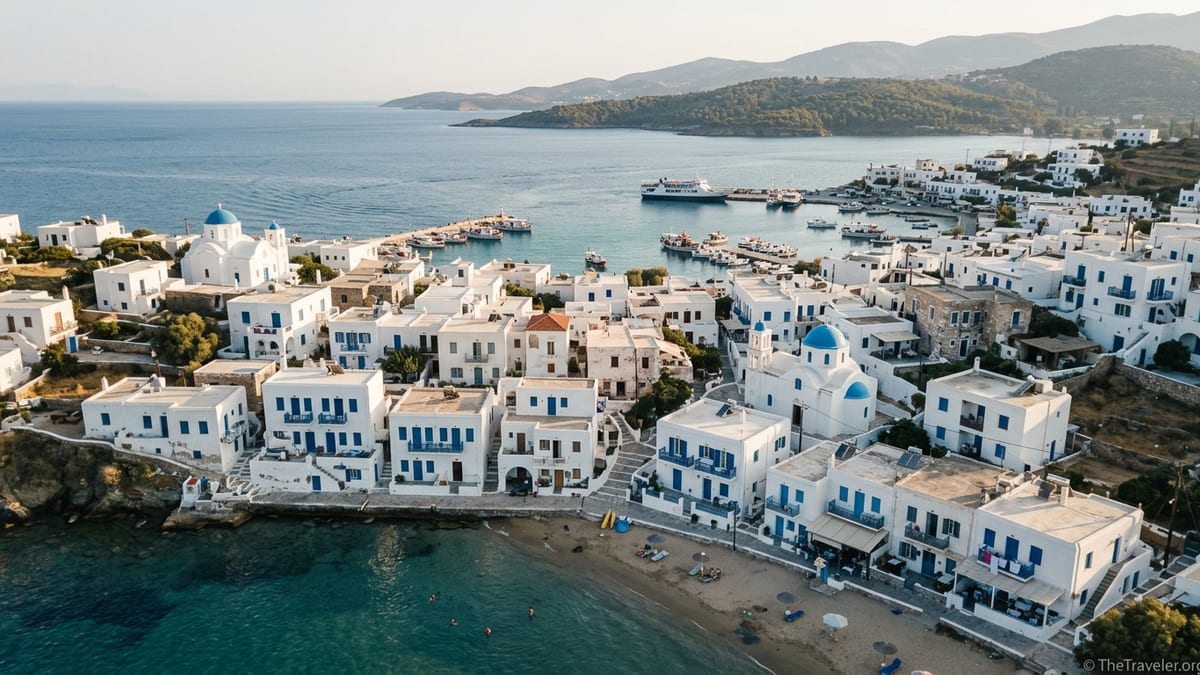
How to Choose Your Base in Greece
Start by thinking about how many stops you realistically want. A classic first-timer itinerary of 10 to 12 nights often splits into three bases: for example three nights in Athens, three in Santorini and four in Crete. Each change of base usually costs you at least half a day once you factor in packing, checking out, transport to the port or airport, the crossing itself and settling in again, so adding a fourth or fifth stop only makes sense if you have two weeks or more.
Budget also plays a big role. In 2026, a simple double room in a central Athens guesthouse might start around 80 to 120 euros per night in May, while a caldera-view suite with a plunge pool in Oia in late June can easily run 600 to 1,200 euros per night or more. Beach towns on larger islands like Crete, Naxos and Paros often offer studio apartments with kitchenettes from roughly 70 to 150 euros, ideal for families or longer stays. Knowing that price gap helps you decide where to splurge and where to save.
Transport should guide your choice too. If you plan to rely on buses and ferries, staying in hubs like central Athens, Fira in Santorini, Chania or Heraklion in Crete, Mykonos Town, Rhodes Town or Corfu Town makes it much easier to get around without a car. If you are comfortable renting a car, larger islands like Crete, Rhodes and Corfu open up a wider range of quiet coastal villages and countryside stays, from small agrotourism guesthouses among olive groves to family-run pensions two minutes from the sand.
Finally, match the atmosphere to your travel style. Couples on a honeymoon may value quiet, sunset views and boutique luxury, such as Imerovigli in Santorini or a secluded bay near Elounda in Crete. Families often prefer flat, sandy beaches with tavernas and playgrounds on the waterfront, like Agios Georgios Beach in Naxos Town or sandy stretches near Rethymno in Crete. Nightlife travelers tend to gravitate toward districts like Psiri in Athens or Mykonos Town, while budget travelers may mix one or two high-end nights in a famous spot with several nights on a lower-key island or in a mainland town where dining and accommodation are far more affordable.
When to Stay in Athens vs the Islands
Athens is more than an obligatory stop for the Acropolis. Staying two or three nights in areas like Plaka, Monastiraki, Koukaki or Syntagma places you within walking distance of world-class ancient sites, rooftop bars and the metro. Plaka is the most classic choice for first-timers, with neoclassical townhouses, souvenir shops and tavernas beneath the Acropolis; think small boutique hotels and guesthouses, some in the 120 to 250 euro range in high season, packed into narrow pedestrian streets.
If you prefer a less touristy but still central feel, Koukaki south of the Acropolis has become popular in recent years. You will find streets like Veikou and Olympiou lined with modern cafés, wine bars and bakeries, plus contemporary boutique hotels that cater to design-conscious travelers. Younger visitors drawn to nightlife often consider Psiri or Monastiraki, where converted warehouses host cocktail bars and live-music tavernas; the trade-off is more noise until late at night. Upscale travelers might lean toward Kolonaki, uphill from Syntagma, for designer boutiques and polished restaurants, often at slightly higher room rates.
In practice, you should stay in Athens at the start or end of your trip if you are flying internationally, especially in summer when occasional ferry delays and air traffic congestion can affect connections. For example, if your flight home from Athens International Airport is at 10:00 in the morning, sleeping on an island the previous night and relying on a same-day flight or ferry is risky. A common strategy is to land in Athens, spend two nights exploring the city, then move on to the islands and return to Athens for a final overnight close to Syntagma or near the airport.
If your time is very short, for instance only five or six nights total, it may make sense to limit yourself to Athens plus a nearby island or coastal town. A couple might spend three nights in Plaka and then two or three nights on a Saronic Gulf island like Aegina or Hydra, reachable by ferry in under two hours from Piraeus, rather than attempting long ferry journeys to the Cyclades and back.
Santorini: Views, Romance and When It’s Worth the Cost
Santorini is Greece’s most famous island for a reason: dramatic cliffs, whitewashed villages and caldera sunsets. Staying in a caldera town such as Fira, Oia, Imerovigli or Firostefani gives you those iconic views right from your terrace. First-time visitors without a car often choose Fira, the island’s main transport hub, where buses fan out to Oia, the airport, the ferry port and beach towns like Kamari and Perissa. A mid-range hotel with partial caldera view and a shared pool in Fira might cost around 250 to 400 euros per night in June or September.
Oia is the classic honeymoon choice, with small luxury hotels and suites carved into the cliff. Many advertise private plunge pools or hot tubs facing the sunset, priced anywhere from 600 euros per night in shoulder season to well over 1,200 euros in July and August. You pay for serenity and prestige, but also share narrow lanes with cruise ship excursions and day trippers, especially between late afternoon and sunset. Travelers who want caldera views but less foot traffic often look at Imerovigli, north of Fira, where boutique properties sit along a quieter stretch of cliff path.
If you care more about relaxing on the beach and controlling your budget, consider staying on Santorini’s southeast coast. Towns like Kamari, Perissa and Perivolos sit on long volcanic black-sand and pebble beaches with tavernas, beach clubs and plenty of apartments just off the waterfront. A couple could find a clean, simple studio with balcony and sea glimpse from perhaps 80 to 150 euros per night in May or October, rising in summer but still far below caldera prices. You can easily take day trips by bus or taxi to view the caldera, then return to a less crowded, more affordable base.
Santorini works best for couples and small groups who value scenery over sand and who are prepared for higher prices on everything from cocktails to taxi rides. Families with young children sometimes find the cliffs, steps and lack of shallow sandy beaches challenging, so they might limit their time here to two or three nights in a beach town and invest more days in family-friendly islands like Naxos, Paros or Crete, where kids can play on gentle shorelines and accommodation sizes tend to be larger.
Crete: Best Bases on Greece’s Largest Island
Crete is so large that it feels almost like its own country, and where you stay determines which side of the island you will actually see. For many visitors, the main decision is between Chania, Rethymno and Heraklion on the north coast. Chania, in the west, is especially popular as a first base because of its beautiful Venetian harbor, old town alleyways and easy access by bus or car to beaches like Falassarna and Balos. A restored townhouse hotel overlooking the harbor might charge around 150 to 250 euros per night in mid-season, while budget travelers can find guesthouses and simple apartments in residential streets a 10 to 15 minute walk from the waterfront for under 100 euros.
Rethymno, roughly halfway between Chania and Heraklion, offers a similar Venetian harbor aesthetic but with a long sandy beach running along the town’s edge. Many mid-range hotels stand across the road from the beach, allowing families to combine old-town exploration with lazy days by the sea without needing a car. Heraklion, the island’s capital, suits travelers focused on the archaeological site of Knossos and those using early flights or ferries, but it feels more like a busy Greek city than a resort; some visitors use it for a single night on arrival or departure and otherwise stay elsewhere.
If you are planning a week or more, splitting your stay between two bases on Crete can reduce driving times. For example, a couple might spend four nights in Chania to visit Balos, Elafonisi and the Samaria Gorge, then move east for three nights near Elounda or Agios Nikolaos, where upscale resorts overlook Mirabello Bay. A luxury hotel with spa, infinity pool and half-board near Elounda can range from 300 euros per night for entry-level rooms in May to significantly higher rates in August, while local tavernas in nearby villages still serve reasonably priced grilled fish, salads and local wine.
Crete is ideal for families and active travelers who want a mix of beaches, hiking, archaeological sites and village life. Hiring a car for at least part of your stay is strongly recommended if you want to explore beyond the main bus routes. Budget travelers can keep costs in check by staying in smaller north-coast villages between major towns, where locally run studios with kitchenettes often fall in the 60 to 100 euro range, especially outside peak weeks in late July and August.
Mykonos, Rhodes and Corfu: Matching Islands to Your Style
Mykonos is best known for its nightlife and stylish beach clubs, so where you stay matters if you want to balance late nights with some rest. Mykonos Town, also called Chora, is the main base for many visitors because it is close to the old port, full of bars and restaurants, and lays out classic whitewashed lanes around the famous windmills. Boutique hotels and guesthouses just above town or near the Old Port typically price around 200 to 400 euros per night in high season, with simpler rooms further up the hill offering cheaper options.
For more of a resort feel, you can stay near popular beaches like Ornos or Platis Gialos, both about a 10 minute drive from town. At Ornos, you will find a mix of family-friendly hotels, casual tavernas and organized beach facilities where sunbed sets might start around 40 to 60 euros per day in July. Platis Gialos lines a sheltered bay with several mid-range and luxury hotels right on the sand; water taxis connect it during the day to livelier beaches like Paradise and Super Paradise, famous for DJ sets and parties. Couples looking for a quieter stay sometimes choose Agios Ioannis, which faces the sunset and has fewer beach clubs.
Rhodes and Corfu, both in the Ionian and Dodecanese seas, suit travelers who want more greenery, a mix of cultures and room to roam. On Rhodes, a common choice is to base in or near Rhodes Town, whose medieval Old Town has stone walls, narrow lanes and a lively dining scene. From there, buses or rental cars can reach beaches in the northeast and villages inland. Those seeking a more laid-back beach base often look to Lindos, with its hilltop acropolis and sandy coves; accommodation here ranges from simple rooms in whitewashed houses to all-inclusive resorts on nearby bays.
Corfu offers a different atmosphere again, with olive-covered hills and Italian-influenced architecture. Corfu Town makes a logical starting point, especially for short stays and visitors arriving by air or cruise. For beaches, families often head to low-key resort villages like Gouvia or Dassia on the east coast or Paleokastritsa on the west, where boat trips take you to coves with clear turquoise water. Luxury travelers might choose secluded villas with pools in the northeast of the island, accessed by rental car, while budget travelers can look for older but well-kept studio complexes in resort towns served by the main bus network.
Naxos and Paros: Relaxed Cyclades for Families and Food Lovers
Naxos and Paros sit in the same island group as Mykonos and Santorini but offer a gentler atmosphere and often better value. On Naxos, many visitors stay right in Naxos Town, also known as Chora, so they can walk between the ferry port, the old town lanes around the castle and the sandy curve of Agios Georgios Beach. Families appreciate being able to stroll from a beach hotel to supermarkets and bakeries without hills or long transfers. Typical mid-range beach hotels here might be in the 100 to 200 euro range in summer, with studios and apartments in quieter backstreets for less.
Further along the west coast of Naxos, villages like Agios Prokopios, Agia Anna and Plaka offer longer beaches and a more holiday-resort feel. Beachfront tavernas set up sunbeds and umbrellas that you can rent by the day, while many accommodations are small, family-run places a short walk inland. For example, a couple traveling in September might book a whitewashed studio with kitchenette and shared pool in Agios Prokopios for approximately 90 to 130 euros per night, leaving more in the budget for windsurf lessons or day trips to nearby islands.
Paros has two main hubs: Parikia, where the main ferry port sits, and Naoussa, a charming fishing village turned chic harbor town on the north coast. Parikia works well for short stays and travelers relying on ferries, with a wide choice of budget rooms near the waterfront. Naoussa feels more upscale, with stylish boutique hotels and a nightlife scene of wine bars and restaurants tucked into alleyways around the little port. Beach lovers can base in smaller settlements like Logaras, Piso Livadi or Golden Beach, then use buses or rental cars to explore the island by day.
Compared with Santorini and Mykonos, both Naxos and Paros are strong all-rounders. Couples can find romantic small hotels without the ultra-luxury price tag; families have safe, sandy beaches and space for kids to run; and food-focused travelers enjoy local cheeses, potatoes, seafood and wines at tavernas that still cater mainly to Greek and European holidaymakers rather than big tour groups. Many repeat visitors end up using one of these two islands as their main base, taking day excursions to more famous neighbors instead of staying there.
Mainland Greece: Peloponnese and Beyond
Many travelers skip the Greek mainland beyond Athens, but it offers some of the country’s best value and variety. The Peloponnese peninsula in particular works well for road trips and slower stays. Nafplio, about a two hour drive from Athens, is a favorite base for couples and families who want seaside charm plus easy day trips to ancient sites like Mycenae and Epidaurus. Boutique hotels in restored mansions cluster around the car-free old town, while small pensions and apartment rentals fill the streets behind the harbor; prices tend to be lower than on the most famous islands for equivalent quality.
Further west, coastal towns like Kardamyli in the Mani region or Gythio near the Laconian Gulf cater to travelers seeking quieter pebble or sand beaches backed by mountains. Many accommodations here are small stone guesthouses or low-rise hotels steps from the sea, where you can pay locally for sunbeds instead of packaged resort facilities. Inland, mountain villages such as Dimitsana or Stemnitsa in Arcadia appeal in spring and autumn for hiking, folklore museums and hearty local cuisine.
Northern Greece also has compelling bases depending on your interests. Thessaloniki is Greece’s second city and a major hub for food and nightlife, ideal for travelers who prefer an urban base with day trips to archaeological sites like Vergina or to nearby beaches on the Halkidiki peninsula. Around Halkidiki, the first and second “fingers” host beach towns where families and groups rent apartments by the week, often at lower nightly rates than the Cyclades, especially outside August. Car rental tends to be essential here, as public transport is more limited.
Choosing the mainland as a base often suits repeat visitors to Greece, road-trip fans and travelers on a tighter budget who do not want to sacrifice length of stay. For example, a family with two school-age children might spend three nights in Athens, five nights in Nafplio and four nights in a seaside town in Halkidiki, using a rental car, instead of flying to a pricey island. They gain access to beaches, historical sites and village life while paying less per night and avoiding long ferry queues in peak season.
The Takeaway
There is no single “best place” to stay in Greece, only the best match for your time, budget and travel style. Athens rewards at least two or three nights at the start or end of most itineraries, especially in central neighborhoods like Plaka, Monastiraki, Koukaki or Syntagma that put you close to sights and transport. Santorini delivers unforgettable views and romance, particularly in caldera towns like Fira, Oia and Imerovigli, but you can control costs by staying on the beach side in places like Kamari or Perissa and visiting the cliffs by day.
On larger islands such as Crete, Rhodes and Corfu, your base determines what you can realistically see, so it often makes sense to pick one or two hubs like Chania plus an east-coast resort in Crete or Rhodes Town plus Lindos on Rhodes. For a balanced, less hectic Cyclades experience, Naxos and Paros deliver excellent beaches, good food and a wide range of accommodations that work for couples, families and budget travelers alike. Mainland destinations like Nafplio, the Peloponnese coast and Halkidiki quietly offer superb value and a strong mix of culture and coastline.
When planning, be realistic about travel times, factor in at least half a day each time you change bases and decide where you want to spend rather than trying to economize everywhere. A common strategy is to splurge for two or three nights in a bucket-list spot such as Oia or Mykonos Town, then stretch the budget with longer stays on a more relaxed island or mainland town. With that mindset, you can build a trip that feels both special and sustainable, waking up each day in a place that supports the kind of Greek holiday you actually want.
FAQ
Q1. How many nights should I stay in Athens before heading to the islands?
Most travelers are happy with two or three nights in Athens at the start of their trip, enough time for the Acropolis, key museums and a couple of evening strolls through Plaka or Monastiraki. If you are flying home from Athens, add one final night in the city at the end so you are not relying on same-day ferries or domestic flights.
Q2. Is it worth paying for a caldera-view hotel in Santorini?
It depends on your budget and priorities. If you are celebrating a honeymoon or milestone and can afford it, one or two nights in a caldera-view room in Fira, Oia or Imerovigli can be unforgettable. If you prefer to stretch your budget, staying in beach towns like Kamari or Perissa and visiting the caldera on day trips offers a very good compromise.
Q3. Do I need a car on Crete, Rhodes or Corfu?
On large islands a car is extremely helpful if you want to explore more than one area or visit remote beaches and villages. You can manage without one by basing yourself in a main town such as Chania, Rhodes Town or Corfu Town and using buses and organized excursions, but for maximum flexibility and to reach less developed spots a rental car for at least part of your stay is recommended.
Q4. Which Greek island is best for families with young children?
Naxos is often cited as one of the best family islands because of its long, shallow sandy beaches around Agios Georgios, Agios Prokopios and Plaka, along with a wide choice of apartments and family rooms. Paros, parts of Crete near Rethymno or Chania, and quieter parts of Corfu also work very well for families, especially outside the hottest weeks of late July and August.
Q5. Where should I stay in Greece for nightlife and beach clubs?
Mykonos is the top choice for nightlife, with bars in Mykonos Town and beach clubs on Paradise, Super Paradise and other south-coast beaches. For a more local city nightlife scene, neighborhoods like Psiri and Gazi in Athens or areas around the waterfront in Thessaloniki come into their own after dark. Some resort areas on Rhodes and Corfu also have lively bar strips, though generally at a more relaxed scale than Mykonos.
Q6. What is a good island base for a tighter budget?
Islands like Naxos, Paros and some parts of Crete typically offer better value than Santorini or Mykonos. On these islands you can still find clean studios or simple hotels from roughly 70 to 120 euros per night in shoulder season, and everyday costs such as meals, sunbeds and local transport tend to be lower. Staying in a mainland town like Nafplio or a Peloponnese beach village can also be very cost effective.
Q7. Is it realistic to visit multiple islands on a one-week trip?
It is possible but you should be selective. With seven nights, many travelers choose either Athens plus one island or two islands that are well connected, such as Paros and Naxos. Trying to fit Athens, Santorini, Mykonos and another island into one week often leads to rushed days dominated by ferries and packing instead of relaxed exploration.
Q8. How far in advance should I book hotels in popular places like Santorini or Mykonos?
For stays in July, August or around major holidays, it is wise to book three to six months in advance for the most in-demand caldera-view hotels in Santorini or stylish properties in Mykonos Town. Outside peak season, especially in May, early June, September and October, you will usually find more availability closer to your dates, though booking a flexible rate a couple of months ahead still gives better choice.
Q9. Are mainland beach towns in Greece as nice as the islands?
Many mainland beach areas are excellent, though the scenery can be different. In the Peloponnese, for example, you will find pretty coves and long sandy stretches backed by villages rather than dense island development. In Halkidiki, pine-covered hills run down to clear bays. These regions often feel less crowded and offer more local life, especially outside August, and can be just as appealing as the islands for travelers who prioritize space and lower prices.
Q10. Should I stay in one base and do day trips, or move between several bases?
It comes down to your tolerance for packing and travel. Staying in one or two well-chosen bases, such as Athens plus one island or two towns on a large island like Crete, gives you more relaxed days and a deeper feel for each place. Moving between three or more bases can work if you have 12 to 14 nights or more and enjoy a faster pace, but remember that each change of base usually costs at least half a day in transit.