


Choosing a Greek island can feel harder than booking the flights. Santorini’s sunsets, Mykonos’ clubs, Naxos’ beaches, Crete’s food, Milos’ coves, Paros’ charm: every island has a hook, and no single one is “best” for everyone. This guide compares the standout Greek islands by travel style so you can match the right place to your priorities rather than chase a generic top‑10 list.
How to Choose the Right Greek Island for You
The first decision is not which island looks prettiest on Instagram, but what kind of trip you want. A couple planning a relaxed honeymoon in September will have very different needs from a family of five traveling in July or a group of friends chasing nightlife in August. Start by ranking your priorities: beaches, romance, family ease, nightlife, history, food, hiking, luxury or affordability. Whichever two or three rank highest should drive your short list.
Logistics also matter. If it is your first time in Greece and you are flying into Athens, the Cyclades cluster in the central Aegean is usually the simplest. Islands like Santorini, Mykonos, Naxos and Paros have frequent summer ferries and, in the case of Santorini and Mykonos, dozens of direct seasonal flights from Europe. Crete and Rhodes are larger, with their own airports and a wider choice of accommodation, from basic pensions under about 70 euros per night in June to five-star beachfront resorts that can exceed 400 euros in peak August.
Seasonality will shape your experience more than many first-time visitors expect. July and August bring the hottest weather and the biggest crowds, especially on Santorini and Mykonos, where cruise passengers and day‑trippers can make popular streets feel packed from late morning to sunset. In May, early June, late September and October, ferries still run frequently on major routes, sea temperatures are swimmable, and availability is far better, which is ideal for couples, hikers and food‑focused travelers.
Finally, think about how much moving around you really want to do. Many tour brochures still show three or four islands in ten days, but frequent packing, ferry queues and potential wind‑related delays can eat into your holiday. For most travelers, especially families and honeymooners, two bases over ten to twelve days are enough: for example, Santorini and Naxos, or Athens, Naxos and Paros, or Chania in Crete paired with a smaller island.
Best Greek Islands for Beaches
If beaches are your top priority, the conversation quickly shifts to Naxos, Milos, Crete and a few headline spots like Navagio Beach on Zakynthos and Elafonisi in western Crete. Naxos is widely regarded by recent guidebooks and family travel specialists as one of the strongest all‑round beach islands, with a long, almost continuous west‑coast ribbon of sand from Agios Georgios, walkable from Naxos Town, through Agios Prokopios and Agia Anna down to Plaka. Many hotels here are small family‑run properties where a double room in shoulder season might cost around 90–130 euros, often with a simple breakfast and sunbeds included.
Milos, by contrast, excels in variety rather than long uniform strands. Its coastline is indented with more than 70 named beaches and coves, many accessible only by boat. Sarakiniko, with its white, lunar‑like rock formations and turquoise water, is one of Greece’s most photographed shorelines, while Kleftiko is best reached on a day‑cruise that includes swimming stops and barbecue lunches. Visitors often rent small motorboats or take semi‑private catamaran cruises that range from about 80 to 150 euros per person in summer, depending on group size and route.
Crete, Greece’s largest island, offers different beach personalities in different regions. In the west, Balos Lagoon combines shallow turquoise water and a wild, almost Caribbean feel, reached via dusty track and a short hike or by boat from Kissamos. Elafonisi further south draws families with its pink‑tinted sand and shallow, warm lagoon, although it is increasingly busy from late morning. On the south coast near Matala and Plakias, quieter coves and pebble bays reward travelers willing to hire a car and drive an hour or more from the main towns.
For those dreaming of that one dramatic postcard beach, Zakynthos’ Navagio Beach, also known as Shipwreck Beach, still appears in many tour brochures, typically visited by organized boat trip from Porto Vromi or Zakynthos Town. However, erosion and safety restrictions mean access and viewpoints can change from season to season, so it is wise to check the latest local advice on whether you will be seeing the cove from a boat, from clifftop platforms, or both.
Best Greek Islands for Couples and Honeymoons
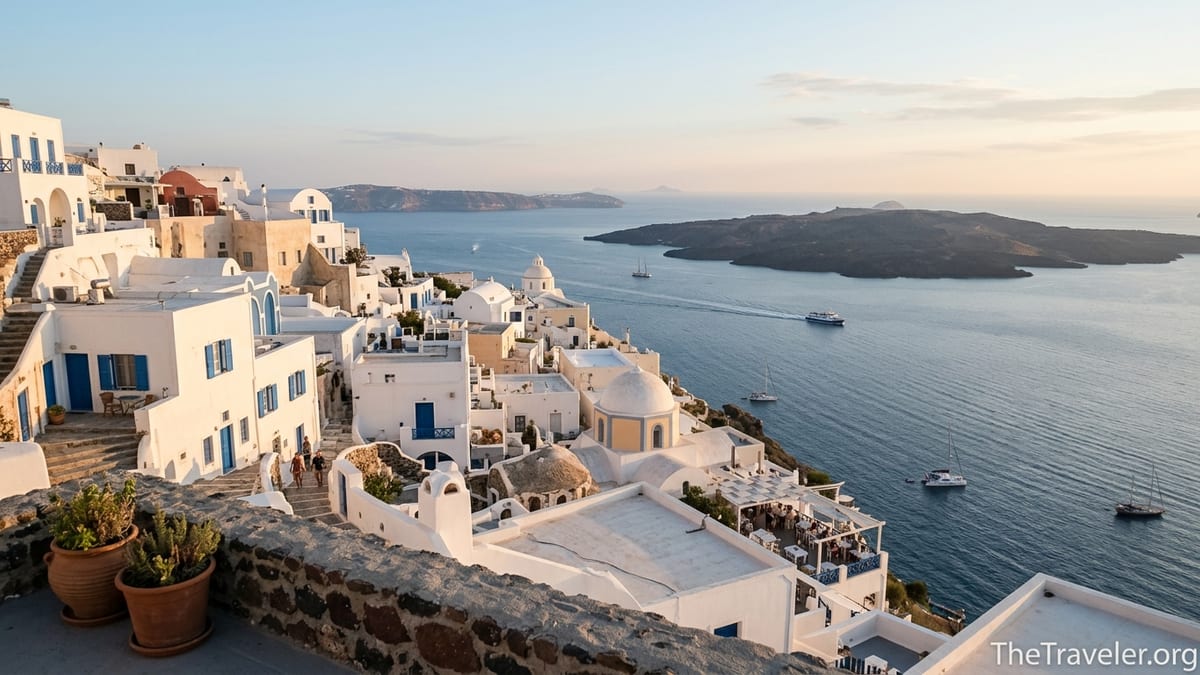
For couples planning a first trip, it is helpful to think in terms of mood: dramatic and iconic, low‑key and intimate, or somewhere in between. Santorini remains the classic honeymoon island, with its volcanic caldera, cliff‑side suites and organized sunset viewing around Oia and Fira. Cave hotels with private plunge pools looking straight into the caldera are among the most photographed stays in Greece, and in high season a night in such a suite can easily run from 400 to well over 800 euros. The trade‑off is crowds and cost, especially when multiple cruise ships are anchored.
Many repeat visitors now pair a shorter Santorini stay with a softer, less hectic island. Naxos, Paros and Milos are the main contenders here. Naxos Town offers atmospheric lanes, the landmark Portara ruin at sunset and a working Greek community feel, while places like Plaka Beach and Mikri Vigla offer small, stylish boutique hotels right on the sand. A couple might spend three nights on Santorini for the iconic views and then five on Naxos for long beach days, village tavern dinners and easier prices on accommodation and meals.
Paros has become a strong favorite for couples who want something prettier and more polished than Naxos but less intense than Mykonos. The harbor village of Naoussa concentrates whitewashed lanes, chic bars, seafood restaurants and boutique hotels around a sheltered bay, with beaches like Kolymbithres and Santa Maria reachable by bus, taxi or small boat. Prices in Naoussa are typically somewhat higher than on Naxos, especially in July and August, but still under top‑tier Santorini levels for comparable comfort.
Milos appeals to couples seeking scenery and relative quiet rather than nightlife. Many visitors stay in Adamas, which functions as the main port village, or in the hilltop Plaka with sunset views over the gulf. Days tend to revolve around boat trips, swimming in coves like Firiplaka and Tsigrado, and long lunches at seafront tavernas such as those in Pollonia. Car rental is strongly recommended, and with limited public transport, couples who enjoy independent exploration and do not mind some driving will get the most out of the island.
Best Greek Islands for Families
For families, the priorities usually shift toward safe swimming, practical accommodation, and easy transfers rather than nightlife or the most photographed vistas. Naxos is frequently singled out in family travel guides as one of the best all‑round islands for parents with school‑age children. The west‑coast beaches mentioned earlier are shallow, sandy and well served by beach clubs that rent sunbeds and umbrellas, often including simple playgrounds and casual tavernas immediately behind the sand. Families can base themselves in Agios Prokopios or Agia Anna and rely on frequent buses or short taxi rides into Naxos Town for evening walks and gelato.
Crete is another strong choice thanks to its size and variety. The Chania region in the west, with its atmospheric old town and nearby beaches, is popular with families who like to mix history and food with beach time. Plenty of self‑catering apartments and mid‑range hotels advertise family suites and kids’ pools, and large supermarkets just outside town make it easy to self‑cater breakfasts and some dinners. Family‑run tavernas commonly offer high chairs, simple grilled meats, fresh fish and familiar options like pasta or fries, which helps with picky eaters.
Paros can work well for families who want a slightly smarter atmosphere without intense nightlife. Parikia, the main port town, has level seafront promenades ideal for evening stroller walks, while Livadia Beach is within walking distance of many small hotels. Naoussa, though livelier in the evenings, still offers plenty of family‑oriented restaurants and small sandy coves within a short drive or bus ride. For an easy, low‑stress day, many families opt for an inexpensive half‑day boat trip around the bay with swimming stops and simple on‑board lunches.
Smaller or quieter islands like Sifnos and Syros are also gaining attention from families who have already visited Naxos or Crete. Sifnos has a reputation for excellent food and relaxed villages, with sandy beaches like Platys Gialos and Vathi, while Syros offers a more “everyday Greece” feel combined with good public transport and the neoclassical architecture of Ermoupoli. Families who prefer not to rent a car often appreciate the relatively compact size and bus networks of these islands compared with larger, more spread‑out destinations.
Nightlife, Food and Culture Hotspots
If bars and late‑night energy top your list, Mykonos remains the most famous party island, closely followed by Ios and certain parts of Zakynthos and Corfu. Mykonos Town’s lanes are lined with cocktail bars, beach clubs blast music at spots like Paradise and Super Paradise, and international DJs headline through July and August. Prices reflect the demand: a single cocktail at a prime sunset bar can easily surpass 15 euros, and club entry with a drink may approach or exceed 30 euros on big nights.
Paros offers a middle‑ground nightlife scene that appeals to couples and groups who want evenings out without full‑blown club culture. In Naoussa, small cocktail bars and wine spots stay open late, and there is enough buzz around the harbor squares to feel festive without overwhelming the town. Naxos remains quieter by comparison, with a handful of relaxed bars in Naxos Town’s waterfront and alleys, but the emphasis there is more on tavernas, dessert cafés and sunset walks.
For food‑focused travelers, several islands have built reputations that go beyond the standard taverna fare. Crete is often described as a culinary destination in its own right, with olive oil, cheeses, herbs and wines that rarely leave the island in large quantities. Chania’s narrow lanes are dotted with modern Cretan bistros that reinterpret traditional dishes alongside simple grill houses and bakeries selling bougatsa and cheese pies. Sifnos is known among Greeks as the birthplace of Nikolaos Tselementes, an influential cookbook author, and its villages host several well‑regarded tavernas where slow‑cooked chickpea stews and casseroles appear on weekend menus.
Cultural and historical interest extends far beyond Athens and the mainland. On Naxos, the marble Portara, the huge doorway of an unfinished temple, provides a memorable sunset viewpoint, while driving inland reveals Venetian‑era towers and villages where life moves at a noticeably slower pace than on the coast. On Rhodes, the medieval Old Town enclosed by walls offers a very different feel, with cobbled streets, Crusader‑era architecture and museums that appeal to travelers who want a deeper historical layer alongside resort beaches.
Hiking, Scenery and Active Travel
Many travelers still associate the Greek islands primarily with beaches and boat trips, but hiking and active travel options have expanded in recent years. Crete is the top choice for serious walkers, thanks in part to the Samaria Gorge, a 16‑kilometer route descending from the Omalos Plateau to the Libyan Sea. Organized excursions from Chania and Rethymno typically include bus transport to the trailhead, a timed walk through the gorge and a return ferry from Agia Roumeli, making it accessible even for visitors without rental cars, though it still demands a reasonable fitness level and sturdy footwear.
Santorini, although not a classic hiking destination, offers an unforgettable caldera‑edge walk between Fira and Oia, usually taking three to four hours at a relaxed pace with photo stops and café breaks. Sections of the path are paved or cobbled, others gravelly, and in high summer temperatures can be intense by midday, so many travelers set off early morning or late afternoon. The payoff is a changing perspective on the caldera cliffs and the villages perched along them, which many visitors describe as a trip highlight.
Naxos quietly provides some of the best casual hiking in the Cyclades, combining mountain scenery, traditional villages and historical sites. One popular route climbs Mount Zas, the highest peak in the Cyclades at just over 1,000 meters. The most common trailheads are reachable by car from Naxos Town in under an hour, and hikers are rewarded with wide views back over the island’s fertile interior and coast. Easier walks link villages such as Halki, Filoti and Apeiranthos, with the chance to stop at small cafés for local cheeses, cured meats and Naxian potatoes along the way.
Smaller islands like Amorgos and Tinos are also drawing hikers who prefer quieter paths. Amorgos features cliff‑side trails with sea views and the striking Hozoviotissa Monastery clinging to a rock face, while Tinos has well‑marked routes between marble‑paved villages and dovecote‑spotted hills. On all these islands, daytime heat in July and August can be severe, so spring and autumn are better suited to full‑day hikes, with many visitors timing walks for mornings and planning beach time in the afternoons.
Luxury, Affordability and First-Time Friendly Islands
In terms of pure luxury, Santorini and Mykonos remain in a class of their own, with high‑end resorts, private‑pool suites, designer boutiques and fine‑dining restaurants concentrated in relatively small areas. On Santorini, properties carved into the caldera cliffs in Oia, Imerovigli and Fira commonly advertise infinity pools, champagne breakfasts and private butler services, with prices reflecting both facilities and views. Mykonos adds large beach clubs with minimum‑spend policies and villas aimed at groups, which can deliver relative value if split among several couples or friends.
Travelers searching for comfort without those peak prices often look to Naxos, Paros, Milos and parts of Crete and Rhodes. On Naxos, a well‑reviewed boutique hotel with a pool near Plaka or Agios Prokopios might cost roughly half of a similar‑feeling suite on Santorini in August, while still offering modern rooms, sea views and walkable beach access. Paros’ Naoussa, with its growing selection of stylish small hotels and adults‑only properties, has become a favorite among travelers who want a “boutique” feel without the most extreme rates.
For strict budgets, larger islands with a wide spread of accommodation types tend to offer the best deals. In Crete, Rhodes and Corfu, it is still possible in shoulder season to find basic studios or older family‑run hotels for under 70 euros per night, especially away from the most famous resort strips. Self‑catering apartments with kitchenettes can help keep food costs manageable, particularly for families or groups who are happy to cook some meals and save restaurant dinners for specific evenings out.
For first‑time visitors, the island should feel manageable, connected and forgiving of travel hiccups. Naxos, Paros and Crete’s Chania region consistently score well on this front. All have relatively straightforward connections from Athens, a choice of accommodations at different price points, enjoyable beaches within a short walk or bus ride of main towns, and enough English spoken in tourist‑facing businesses to make logistics smooth. Many experienced travelers suggest starting with one of these islands and only adding an extra stop, such as Santorini or Milos, if you have at least ten nights in Greece.
The Takeaway
No single Greek island can claim to be the absolute “best,” because travelers arrive with different dreams and constraints. What matters more is matching the island’s personality to your priorities. If you want long, easy beaches and family‑friendly prices, Naxos or Crete may suit you better than Santorini. If your heart is set on iconic caldera views, Santorini belongs in your plan, perhaps balanced with a quieter island like Paros or Milos afterward.
As you refine your list, keep three questions in mind: what do I want to do most days, how much moving around am I comfortable with, and what is my realistic budget per night? Once those answers are clear, the choice between Naxos and Paros, Santorini and Milos, or Crete and Rhodes becomes less about online rankings and more about fit. The Greek islands are diverse enough that there is almost certainly a match for your style of travel; the art lies in choosing the one that feels like your version of paradise.
FAQ
Q1. Which Greek island is best for a first-time visitor?
Naxos is often the easiest all‑round first choice, with excellent beaches, a walkable main town, good food, and straightforward ferry connections from Athens.
Q2. If I only have one week, should I visit one island or two?
With seven nights, many travelers enjoy splitting time between two islands, such as Santorini and Naxos or Athens and Crete, but one base is less rushed and better for families.
Q3. Which Greek island has the best beaches overall?
Naxos and Milos are frequently mentioned: Naxos for long, family‑friendly sandy stretches and Milos for dramatic coves and variety, much of it best explored by boat.
Q4. What is the most romantic Greek island for couples?
Santorini remains the most iconic for honeymoons thanks to its caldera views and cave hotels, but many couples prefer pairing it with a quieter island like Paros or Milos.
Q5. Which islands are best for families with young children?
Naxos and Crete stand out for families, thanks to shallow sandy beaches, a wide choice of mid‑range accommodation, and plenty of casual tavernas that welcome children.
Q6. Where should I go in Greece for nightlife?
Mykonos is the leading nightlife island, with big clubs and beach parties, while Paros and Ios offer lively but slightly less intense scenes popular with younger travelers.
Q7. Are the Greek islands expensive compared with mainland Greece?
Headline islands like Santorini and Mykonos are noticeably pricier, especially in July and August, while Naxos, Paros, Crete and Rhodes generally offer better value.
Q8. Which Greek islands are best for hiking and outdoor activities?
Crete is top for serious hiking, especially the Samaria Gorge, while Naxos, Amorgos, Tinos and Santorini offer scenic day hikes with sea views and village stops.
Q9. Do I need to rent a car on the islands?
On compact islands with good bus networks like Naxos or Paros you can manage without, but on Milos and much of Crete a car greatly expands your beach and village options.
Q10. When is the best time of year to visit the Greek islands?
Late May, June, September and early October usually offer warm weather and swimmable seas with fewer crowds and lower prices than the peak of July and August.