


The Dodecanese chain in the southeastern Aegean has a reputation for dreamy beaches and long sunny seasons, but not every island hits the wallet in the same way. While Rhodes and Kos dominate the brochures, several smaller islands quietly offer lower prices on hotels, everyday meals and inter-island ferries, without the crowds that drive up costs in major resorts. This guide compares real-world budgets across the islands and highlights where your money will go furthest today.
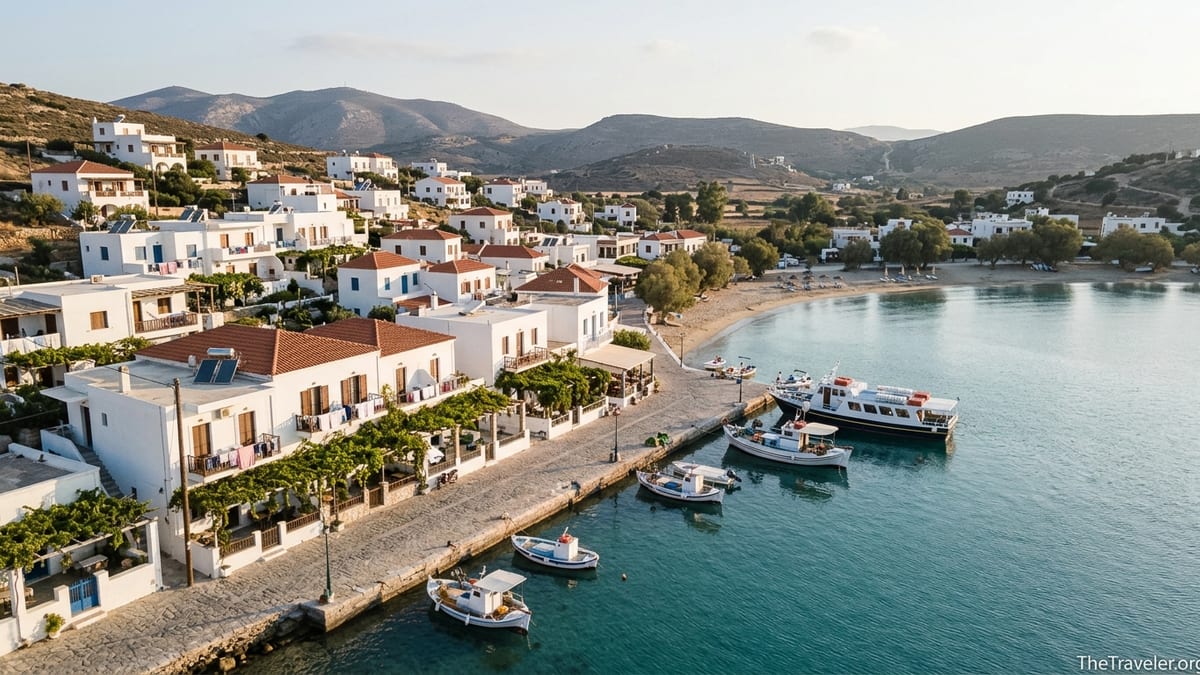
How Prices Vary Around the Dodecanese
Travel costs in the Dodecanese are shaped by three main factors: how easy an island is to reach, how busy it gets in July and August, and how much of its economy is focused on package tourism. Large hubs such as Rhodes and Kos have frequent flights, cruise calls and all-inclusive resorts, which pushes up prices in the most popular zones but can also create pockets of good value just outside the main strips. Smaller islands such as Kalymnos, Leros, Nisyros and Tilos rely more on domestic tourism and inter-island ferries, which tends to keep day-to-day prices for rooms and food relatively modest, especially outside the absolute peak weeks.
As a broad guideline for summer 2024, a clean double room in a family-run guesthouse on the cheaper Dodecanese islands often starts around 45 to 60 euros per night in June and September, rising to roughly 60 to 80 euros in late July and August for centrally located options with air conditioning. In contrast, equivalent accommodation in prime resort zones of Rhodes or Kos easily runs from 90 to 140 euros per night in high season. Meal prices follow a similar pattern, with simple taverna dinners on quieter islands typically costing less than in waterfront districts of the big resorts.
Ferries between the islands are another key budget line, particularly if you plan to hop between several destinations. High speed catamarans such as those operated by Dodekanisos Seaways publish fixed 2024 fares between islands, and a one-way ticket on a popular Rhodes to Symi run is around 30 euros, while shorter hops between nearby small islands can be closer to 15 to 20 euros one way. Planning routes that chain neighboring islands together rather than backtracking to hubs will usually save both time and money.
Car rental and local transport also differ significantly. On Rhodes, a basic compact car booked locally in summer can often be found for about 30 to 40 euros per day if reserved ahead, with some local agencies advertising low-season prices from the mid-20s per day. On smaller islands, supply is limited but so is demand, so you often see rates for small manual cars in the 30 to 45 euro range during high season, with scooters and 125cc motorbikes coming in cheaper. Using buses and occasional taxis can further reduce costs on islands with decent public networks.
Kalymnos and Leros: Climber-Friendly and Wallet-Friendly
Kalymnos has become internationally known among rock climbers, but away from the most fashionable climbing sectors it remains one of the better-value bases in the Dodecanese. In Massouri and Myrties, which are the main villages for climbers, simple studios with kitchenettes in late spring or early autumn often run from about 45 to 60 euros per night for two people, with seafront or pool properties pushing closer to 70 to 90 euros in August. Family-run apartments a ten- to fifteen-minute walk back from the water are usually significantly cheaper than those directly on the main strip.
Daily expenses on Kalymnos are relatively gentle. A decent breakfast of coffee and pastries at a local café is often around 4 to 6 euros per person, while a filling taverna dinner of salad, a shared plate of grilled meat or fresh fish and house wine for two can still come in near 30 to 40 euros if you avoid the very busiest frontline locations. Many visitors cut costs further by shopping at the island’s small supermarkets for simple lunches or picnic supplies, where prices for basics such as feta, tomatoes, olives and bread are comparable to mainland Greece.
Nearby Leros is even quieter and sees fewer international tour groups, which keeps accommodation prices competitive. In Agia Marina, Alinda and Panteli, small hotels and studios commonly advertise doubles in the 50 to 70 euro range in June and September, with some older properties or rooms further from the beach dipping below that outside the peak weeks. Because many Leriot families still rent out a handful of rooms above tavernas or in traditional houses, it is often possible to negotiate discounts on stays of a week or more, particularly in May or October.
Kalymnos and Leros are well linked by ferries. In 2024, standard adult fares on high speed boats between Kos, Kalymnos and Leros typically fall between about 18 and 30 euros one way, depending on the route and operator, with slower conventional ferries sometimes slightly cheaper. This makes it realistic to base yourself on one island and add day trips to the other, or to continue north to Lipsi and Patmos, without exploding your transport budget.
Nisyros and Tilos: Volcanic Landscapes, Tiny Crowds, Lower Bills
South of Kos, the small volcanic island of Nisyros offers one of the Dodecanese’s most striking landscapes and some of its lowest prices. Accommodation is concentrated around Mandraki and the tiny port of Pali. Here, family-owned studios and guesthouses often list doubles in the 40 to 60 euro range in shoulder season, with moderate increases in late July and August. Many of these rooms are simple, with basic kitchenettes and balconies rather than pools or spa facilities, which helps keep rates down while still offering everything most independent travelers need.
Everyday food costs on Nisyros compare well with larger islands. A coffee at a harbor café is often around 3 euros, a beer about 4 euros, and a plate of local specialties such as pitaridia pasta or baked chickpeas might cost 9 to 12 euros at a village taverna. A couple can still dine comfortably for roughly 30 to 35 euros including a shared starter and carafe of house wine if they skip the more expensive fish dishes. Self-catering is easy, with small minimarkets in Mandraki and fresh produce coming in from Kos and nearby islands on the regular ferries.
Tilos, another small island between Rhodes and Kos, appeals to walkers and those seeking quiet beaches more than nightlife, and prices reflect that slower pace. In the main settlement of Livadia, seafront studios and small hotels commonly charge around 55 to 75 euros per night in high summer, with similar or slightly lower prices in Megalo Chorio and Eristos. Many accommodations are older but well kept, and because there are none of the big international chains that dominate Rhodes Town or Faliraki, rates tend to stay sensible even in August, provided you book early.
Ferry connections to these islands are straightforward but not as frequent as to the larger hubs. As of 2024, a high speed catamaran ticket from Kos to Nisyros is usually priced around the mid-teens to low twenties in euros for a one-way journey, and Kos to Tilos slightly higher. Routes between Rhodes, Tilos and Nisyros are priced in a similar band, with adult fares on regional high speed services between roughly 17 and 35 euros depending on the distance and vessel. Factoring in these moderate ferry costs, a week on Nisyros or Tilos can compare very favorably to one on Rhodes once accommodation and meal prices are included.
Rhodes and Kos: Where to Stay Cheaply on the Big Islands
Rhodes and Kos are not inherently expensive, but the particular area you choose makes a major difference. Rhodes Town, Lindos and the resort belt around Faliraki are the best known and draw package travelers who accept higher prices for beachfront convenience. Just a short distance away, however, prices for both rooms and food dip notably. On Rhodes, inland villages and less famous coastal settlements such as Stegna, Haraki or the outskirts of Kolymbia often have studios and basic hotels with double rooms from around 50 to 70 euros in June, rising to 70 to 100 euros in August for properties within walking distance of the beach.
In Rhodes Town itself, budget-minded visitors can look for small pensions back from the Old Town walls rather than inside the medieval core, where atmospheric boutique hotels command a premium. Guesthouses a ten-minute walk from the main sights sometimes offer simple en suite doubles in the 60 to 90 euro bracket in high season, still competitive for a busy city with a long season. On the west coast near Ialyssos and Ixia, older hotels on the second or third line from the sea frequently sell rooms through booking platforms in a similar price range, undercutting the new beachfront resorts.
Kos shows a similar split. Kos Town’s harborfront and the resort villages of Kardamena and Tigaki see higher price tags in late July and August. Yet if you head slightly inland or choose smaller beach villages such as Mastichari or Kefalos, you can often find basic studios for two from about 45 to 65 euros per night outside the absolute peak, climbing to 65 to 90 euros in midsummer. These are often family operations where negotiating a better rate for stays of 7 nights or longer is quite normal in shoulder season.
When comparing Rhodes and Kos to the smaller islands, remember to factor in local transport. On Rhodes, the bus network is extensive and economical, with one-way tickets on main routes usually under 5 euros, so staying in a cheaper inland location but relying on buses can still work out cheaper than renting a car for the entire stay. On Kos, buses connect the main resorts and villages with Kos Town, though services are less frequent at night. Taxi fares add up quickly, so in both cases it can be worth pricing a two- or three-day car rental against several long taxi rides if you plan to explore widely.
Ferries, Car Rentals and Getting Around on a Budget
For island hoppers, ferry costs can rival accommodation bills, so it pays to study routes and fares before drawing up an itinerary. In 2024, regional catamarans connecting the Dodecanese islands quote standard economy fares such as approximately 29 euros from Rhodes to Tilos, 35 euros from Rhodes to Nisyros, and around 44 to 48 euros from Rhodes to Kalymnos or Leros, with shorter links like Leros to Lipsi around 18 euros for foot passengers. Shorter hops such as Kos to Nisyros are lower, usually in the high teens or low twenties. Conventional ferries run by larger lines tend to be slower but can sometimes be marginally cheaper and offer more stable schedules in shoulder months.
Smart route planning can significantly cut these costs. Rather than jumping back and forth between Rhodes and Kos, for example, it is usually more efficient to move along a chain such as Rhodes to Tilos to Nisyros to Kos, or Kos to Kalymnos to Leros to Lipsi and on to Patmos, buying point-to-point tickets as you go. Most travelers find that two or three islands in a week is a realistic pace that keeps ferry spending under control while still allowing time to enjoy each stop.
Car rental is another area where early research helps. On Rhodes, local agencies widely advertise compact manual cars in low and mid season from the mid-20s euros per day, rising into the 30 to 40 euro range in midsummer once taxes and insurance are added. Prices on Kos are broadly similar. On smaller islands such as Kalymnos or Leros, competition is more limited, and high-season rates around 35 to 45 euros per day for a basic car are common. Scooters and small motorbikes are usually cheaper, often from roughly 20 to 30 euros per day, but always check license requirements and insurance coverage.
Public transport options vary widely. Rhodes has the most comprehensive bus system, with frequent services linking Rhodes Town to Faliraki, Lindos and the west coast. Kos has a reasonable network focused on Kos Town and the main resort villages. On Kalymnos, Nisyros, Tilos and Leros, buses do run but often only a few times per day on key routes, such as port to main village or port to beach. This makes careful timetable checks essential if you want to avoid taxis, which can be relatively expensive per kilometer on smaller islands. Walking is practical on the compact islands, and many travelers happily combine a few bus rides with plenty of hiking.
Eating, Drinking and Self-Catering Without Overspending
Meal costs are one of the easiest areas to control in the Dodecanese, especially on the quieter islands. In local kafeneia and small village tavernas, a Greek coffee still often costs around 2 to 3 euros, an espresso slightly more, and a glass of house wine in the evening about 3 to 4 euros. A generous Greek salad, plate of fava or tzatziki and basket of bread can usually be shared by two for under 15 euros in many non-touristy locations. Main dishes such as souvlaki, moussaka or fried fish might add another 10 to 15 euros per person, depending on the island and setting.
On Rhodes and Kos, prices can jump in the most touristed pockets. Sit down at a waterfront restaurant in Lindos or a busy strip in Kardamena and it is common to see main courses in the 15 to 22 euro range, cocktails over 10 euros and bottled craft beers more expensive than the standard lagers favored by locals. Switching to side-street tavernas one or two blocks back from the waterfront generally brings more reasonable menus, while sticking to house wine, carafes and simple grilled dishes keeps the bill in check.
Self-catering is particularly effective on islands such as Kalymnos, Leros, Nisyros and Tilos, where small supermarkets stock fresh produce, local cheeses and basic pantry items at prices similar to mainland Greece. Many budget studios come with small kitchenettes, and having breakfast at home and packing simple beach lunches can easily shave 15 to 25 euros per person per day from your food budget. Tap water quality varies, so most visitors rely on bottled water, which remains inexpensive in larger multi-packs from supermarkets compared with corner kiosks.
For drinks and nightlife, the cheapest strategy is to lean into the relaxed local rhythm. In quiet harbors like Livadia on Tilos or Pali on Nisyros, an evening out might be a slow sequence of café bars where a glass of wine or a beer costs 4 to 5 euros. On Rhodes and Kos, high-energy bar streets push prices higher, particularly for mixed drinks, but quieter backstreet bars and beach cafés still offer more modest pricing. Happy hour deals are common in resort areas, though it is worth remembering that “two for one” offers can quickly encourage more spending than planned.
The Takeaway
For travelers willing to look beyond the best known resort strips, the Dodecanese remains one of the more approachable island groups in Greece for a mid-range or budget holiday. Islands such as Kalymnos, Leros, Nisyros and Tilos stand out for their combination of relatively low accommodation prices, modest everyday food costs and manageable ferry connections. Larger hubs like Rhodes and Kos can still be good value when you choose quieter neighborhoods, make use of buses and avoid the priciest seafront dining spots.
Realistic daily budgets vary with travel style, but many independent visitors find that outside the very height of summer, a couple can get by comfortably on a combined 120 to 160 euros per day on the cheaper islands, including accommodation, meals, local transport and a few drinks, when staying in simple studios and eating mostly at local tavernas. On Rhodes and Kos, planning carefully around where you stay and eat can keep overall costs in a similar band, particularly if you visit in June, early July or September.
Ultimately, the cheapest Dodecanese island is usually the one where you are prepared to travel a little off the beaten path. Choosing a lesser-known beach over a marquee name, taking a slower ferry instead of the very fastest catamaran, and embracing family-run studios rather than large resorts all help your money stretch further. In return, you gain quieter beaches, more personal encounters with local hosts and the sense that you are experiencing the islands much as Greek families do.
FAQ
Q1. Which Dodecanese island is generally the cheapest for accommodation?
Nisyros, Tilos, Kalymnos and Leros are often among the cheapest, with simple studios frequently starting around 45 to 60 euros per night in shoulder season.
Q2. How much should I budget per day on a cheaper Dodecanese island?
A couple staying in a studio and eating mostly at local tavernas can often manage on roughly 120 to 160 euros per day including meals, local transport and some drinks.
Q3. Are ferries between the Dodecanese islands expensive?
Most regional ferry tickets fall between about 15 and 50 euros one way, depending on distance and vessel, with shorter hops like Kos to Nisyros at the lower end of that range.
Q4. Is it cheaper to stay on Rhodes or to hop to a smaller island?
Staying in less touristed parts of Rhodes can be cost effective, but smaller islands such as Nisyros and Tilos usually offer lower average room and meal prices.
Q5. Do I need to rent a car on the smaller islands?
Not always. Islands like Nisyros and Tilos are compact enough to explore partly on foot, supplemented by occasional buses or taxis, though a scooter or small car adds flexibility.
Q6. When is the best time to visit for lower prices?
June, early July and September typically offer a good balance of warm weather and more moderate prices, while late July and August bring higher rates and more crowds.
Q7. Can I find all-inclusive deals on the cheaper islands?
All-inclusive resorts are concentrated on Rhodes and Kos. The smaller islands mostly offer self-catering studios and small hotels, which can be cheaper overall for independent travelers.
Q8. How much does car rental usually cost in the Dodecanese?
Expect roughly 30 to 45 euros per day for a basic manual car in high season, with slightly lower rates available in spring and autumn or with advance booking.
Q9. Are restaurant prices very different between islands?
Yes. Waterfront areas in Rhodes Town, Lindos or Kos Town tend to be noticeably pricier, while tavernas on quieter islands or back from the main promenades are generally cheaper.
Q10. Is island hopping in the Dodecanese still worth it on a tight budget?
Yes, if you limit yourself to two or three islands, use logical ferry chains and prioritize nearby destinations, island hopping can remain affordable while greatly enriching the trip.