


Ask most travelers about Greece and you will hear the same names: Santorini, Mykonos, Crete. Yet the country’s backbone, mainland Greece, holds some of the most rewarding journeys in Europe. From temple-crowned cliffs and stone-built mountain villages to pine-fringed beaches that locals keep to themselves, the mainland can feel like a different country to the islands. The question is not whether mainland Greece is worth visiting, but whether you can afford to leave it out of your itinerary.
Why Mainland Greece Deserves a Place in Your Itinerary
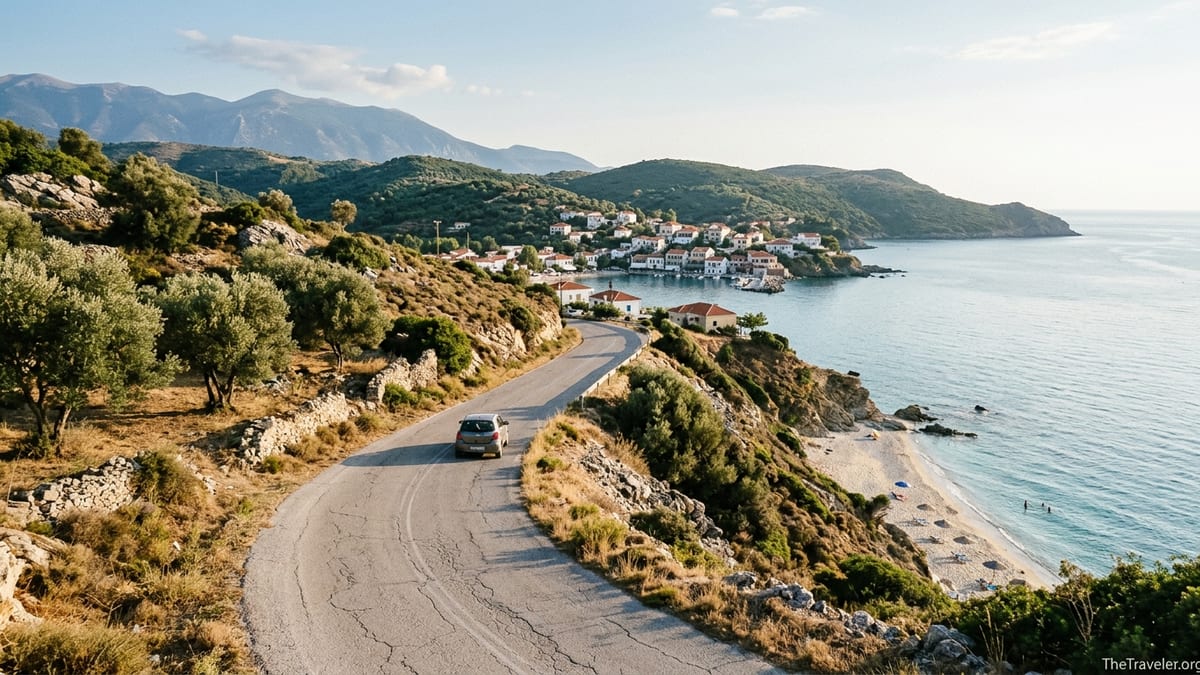
Mainland Greece gives you a broader view of the country than an islands-only trip ever can. This is where you trace the spine of the Pindus mountains, follow battlefields that shaped Western history, and drive along empty coastal roads where the sea is on one side and olive groves on the other. For many visitors, a loop that links Athens with Delphi, Meteora, the Peloponnese and perhaps the Epirus coast ends up being the highlight of their time in Greece.
The distances are manageable for a road trip. As a rule of thumb, Athens to Nafplio in the Peloponnese is around two hours by car, Athens to Delphi roughly three hours, and Athens to Meteora about four and a half hours using the modern toll highway. These legs can be comfortably done after breakfast, leaving afternoons free for wandering old towns or catching late light over an archaeological site.
Mainland Greece can also be easier on the budget than marquee islands. While a standard double room on Santorini in July can easily exceed the equivalent of 250 to 300 US dollars per night, mid-range guesthouses in mountain regions such as Zagori or coastal towns like Nafplio commonly fall in the 80 to 140 dollar range in the same period, with prices dipping further in May, June and late September. Meals in traditional tavernas often come to 15 to 25 dollars per person including house wine.
Most importantly, the mainland is where you encounter everyday Greece. In small town plateias, or squares, children cycle until late, grandparents sit over coffee and backgammon, and tourists are a side note rather than the main event. If your idea of a successful trip involves conversations with locals and not just viewpoints, the mainland belongs on your map.
For History Lovers: Beyond the Acropolis
Athens offers a dense introduction to Greek history, but the mainland gives context. Classic sites like Delphi, perched on the slopes of Mount Parnassus, combine setting and story. Driving from Athens, you climb from coastal plains to fir forests and arrive in about three hours, passing the modern village of Arachova, a lively ski base in winter that doubles as a stone-built mountain town in summer. On site, the ruins of the Temple of Apollo and the stadium line the Sacred Way, and the small museum showcases the famous bronze charioteer.
In the Peloponnese, Mycenae and Epidaurus are an easy day trip from Nafplio. Mycenae’s Lion Gate, tholos tombs and Cyclopean walls pull you deep into Bronze Age Greece, while Epidaurus is renowned for its remarkably preserved theater where summer performances still take place. From Nafplio, each site is roughly a one-hour drive, which makes it practical to base in the old town and visit both over two leisurely days, returning each evening to a waterfront promenade lined with cafes and gelato stands.
History on the mainland is not only ancient. In the Mani Peninsula of the southern Peloponnese, tower houses built by clan families stand above stone lanes, reflecting centuries of local independence. Further north, the city of Ioannina in Epirus has an island-dotted lake and a walled old quarter shaped by Ottoman and Byzantine rulers. You can tour a lakeside fortress, visit small mosques and then drive less than an hour into the Zagori villages, where arched stone bridges once carried mule caravans across deep gorges.
Because many of these sites lie in rural regions, crowds tend to thin out compared with Athens in peak season. Delphi can be busy with tour buses mid-morning, yet if you arrive at opening time or late afternoon in May or September, you may be walking parts of the Sacred Way with only a few other visitors. At Mycenae and Epidaurus, it is common for independent travelers to find quiet corners even in summer once group tours move on.
For Road Trippers: Classic Mainland Routes
If you enjoy getting behind the wheel, mainland Greece is effectively built for road trips. Highways link major hubs, but as soon as you turn off toward villages or coastal byways, traffic drops away. A classic week-long circuit from Athens might run Athens to Delphi, on to Meteora, down to the Peloponnese via the Rio–Antirrio bridge, and back to Athens through Nafplio. Daily drives on this loop often sit in the two to four-hour range, giving a good balance between time on the road and time on the ground.
Meteora is one of the most rewarding targets for drivers. The road climbs from the plain near Trikala to Kalambaka and Kastraki in central Greece, where sandstone pinnacles support centuries-old monasteries. Once there, a ring road loops around the rocks; you can park at different viewpoints and walk short sections between monasteries. Many travelers choose two nights here so they can photograph the landscape at both sunset and sunrise, and still have time to go inside a couple of monasteries that rotate opening days.
In northern Greece, Thessaloniki makes a natural starting point. Within an hour’s drive south you reach the first peninsula of Halkidiki, where locals from the city escape to the beaches at weekends. Continue around the middle prong of Sithonia and you are on one of the most scenic coastal drives in the country, with pine forests sliding into coves of bright water and small resorts like Vourvourou offering rooms, boat rentals and seafood tavernas. Because many international visitors overlook Halkidiki in favor of islands, you can often find good value accommodation even in July, especially if you book small family-run hotels or apartments set a few streets back from the sea.
For a longer road trip of ten days or more, the Peloponnese lends itself to slow discovery. Starting from Athens, you can cross the Corinth Canal and follow the coast to Nafplio, then loop south into the Mani Peninsula via Kardamyli and Areopoli, where coastal roads twist past stone villages and tiny coves. West of the Mani, the seaside towns of Pylos and Methoni give access to golden-sand beaches such as Voidokilia, often mentioned by Greek travelers themselves as one of their favorite mainland swims. Fuel prices in Greece are not low by European standards, so travelers commonly offset this by choosing simpler guesthouses and self-catering apartments in smaller towns rather than resort hotels.
For Beach Travelers: Mainland Shores That Rival the Islands
Island beaches get the headlines, but several stretches of mainland coast more than hold their own. On the Ionian side, the town of Parga, with its hillside of pastel houses and castle-topped headland, feels almost like an island that happens to be attached to Epirus. Just outside town, Valtos Beach offers a long arc of sand and pebbles backed by olive groves, with sunbed rentals, paddleboards and beach bars. Smaller coves like Lichnos sit within a few minutes’ drive or boat taxi ride, providing a quieter option in high summer.
Further south in the Peloponnese, the area around Pylos and Gialova has grown into a favorite for travelers who want beaches without the island price tag. Voidokilia Beach is often cited among Greece’s most beautiful, with a near-perfect horseshoe shape and dunes behind. It lacks major construction directly on the sand, so facilities are limited to seasonal umbrellas and parking, but nearby villages offer everything from simple studios to boutique hotels. The west coast of the Peloponnese also catches sunsets over the Ionian Sea, which is a bonus if you enjoy evening swims.
On the Aegean side, Halkidiki in northern Greece is one of the country’s most popular mainland beach regions, especially for residents of Thessaloniki. The first peninsula, Kassandra, has family-focused resorts and organized beaches within about an hour’s drive from the city, while Sithonia, the middle prong, is lined with smaller bays, pine-backed coves and fewer large hotels. Some beaches here remain unorganized or lightly serviced, which appeals to travelers who prefer a natural setting. Reaching Halkidiki from Thessaloniki airport typically takes between one and two hours by rental car, depending on how far down the peninsula you go.
Even within day-trip range of Athens, you can swim at clear-water beaches without boarding a ferry. Cape Sounion, about a 90-minute drive from central Athens in light traffic, combines the clifftop Temple of Poseidon with a string of coves and small beach clubs along the Saronic Gulf. Some visitors time their day so that they swim in late afternoon, then head up to the temple for sunset. While the Athens Riviera can be busy on summer weekends, midweek visits in May, June and September often feel relatively calm, especially early in the day.
For Hikers and Mountain Town Lovers
If you imagine Greece only as white villages and blue sea, mainland mountains will surprise you. In Epirus, the Zagori region north of Ioannina is a mesh of some 40-odd stone villages linked by arched bridges and mule paths. From bases such as Papingo or Monodendri, hikers tackle sections of the Vikos Gorge trail, a deep canyon that many visitors compare in impact to more famous European gorges but with a fraction of the crowds. Guesthouses here might charge the equivalent of 80 to 130 US dollars per night in summer, often including homemade breakfast with local pies and honey.
On the eastern side of mainland Greece, the Pelion peninsula rises between Volos and the Aegean, mixing beech and chestnut forests with traditional villages like Tsagarada and Makrinitsa. Old cobbled paths, or kalderimi, form signed trails between settlements, allowing you to hike from a mountain village down to small pebble coves in a single day. Because Pelion is a favored escape for Greek families in August, July and late August can be busy, but June, early July and September usually offer warm sea temperatures with milder air in the hills.
Closer to Athens, Arachova near Delphi and the village cluster around Kalavryta in the northern Peloponnese serve as winter ski areas and summer hiking bases. While lifts and pistes operate only in the colder months, the trail networks, mountain refuges and cooler air draw walkers from May through October. It is easy to combine a few days in such a mountain town with a coastal stop: for example, spending two nights in Arachova for Delphi and nearby hiking, then dropping down to the Gulf of Corinth for sea swimming on your way back to Athens.
Because these mountain areas remain working communities rather than purely tourist resorts, they are especially appealing outside the peak summer vacation weeks. In late September and October, for example, you might find daytime temperatures in the high teens to low twenties Celsius in Zagori, with mist in the gorge in the morning and woodsmoke in the evenings. Prices for accommodation often dip compared with August, and you share trails mostly with Greek hikers and a handful of international visitors.
For Families, Couples, Costs and Crowds
Mainland Greece works well for families because you can mix short drives, outdoor activities and history in a single trip. A family itinerary might include Athens for the Acropolis and interactive museums, Delphi for mythology-filled ruins in a mountain setting, and a few days in Nafplio with its car-free old town and nearby beaches. Many towns on the mainland have small playgrounds near the main square, and seafront promenades where children can safely ride scooters in the evening while parents linger at tavernas.
Couples often gravitate to old towns and quieter coastal settlements. Nafplio’s neoclassical streets and Venetian fortifications form one of the most atmospheric old towns in Greece, and its location puts you within an easy drive of wineries in Nemea and seaside fish tavernas in nearby villages. In the Mani Peninsula, stone guesthouses in villages such as Kardamyli or Areopoli provide a romantic yet low-key base, with hikes into olive groves, hidden coves and laid-back cafes rather than nightlife. On the Epirus coast, Parga’s hillside setting and boat trips to off-shore islets appeal to couples looking for an “island feel” without a ferry crossing.
In terms of costs, the mainland generally offers better value than the most famous Cycladic islands. Basic rental cars in high season often start around 40 to 60 dollars per day when booked in advance from major airports such as Athens or Thessaloniki, with prices dipping outside July and August. In many mainland towns you can find decent double rooms for under 120 dollars per night in peak months if you are flexible on exact location and book early. Meals at family-run tavernas commonly cost less than in island hotspots, especially inland; a shared salad, two mains and a carafe of house wine might come in under 40 dollars total for two people in a small Peloponnese town.
Crowds vary sharply by region and timing. Coastal hubs within easy reach of big cities, like the first finger of Halkidiki or beaches near Athens, fill up on summer weekends and Greek holiday periods. Mountain regions such as Zagori and Pelion see a small peak in August but rarely feel overwhelmed compared with islands like Santorini. Visiting from late May to early July or in September is a reliable way to balance good weather with thinner crowds and more choice of accommodation. Winter travel is viable, particularly in places like Meteora and Delphi, but some coastal resorts and smaller guesthouses may close or reduce operations from late autumn until spring.
Travel Logistics: Getting Around and When to Go
Most mainland trips start by air in Athens or Thessaloniki. From Athens airport, rental car desks are located on-site and you can drive straight onto the Attiki Odos ring road to join highways heading north toward Lamia and Meteora, or west toward the Peloponnese. Thessaloniki airport also has car rental options, with a direct route south toward Halkidiki or west toward Vergina, Kozani and Ioannina. If you prefer not to drive, intercity buses and trains link major towns, though journey times are longer and reaching small villages without a car can be difficult.
Driving conditions on main routes are generally good, with modern motorways and clear signage in both Greek and Latin script. Tolls are common on highways radiating from Athens and along parts of the north-south axis, so drivers should budget for regular small payments during longer legs. Away from main roads, expect narrow, winding mountain routes and occasional livestock on the verge; many travelers limit their driving to daylight hours in rural areas for comfort. Fuel stations are widely available along primary routes and around towns, though they are more spaced out in remote mountain regions, so it is sensible to refill when your tank is half full.
Seasonality matters more on the mainland than many visitors realize. July and August bring heat that can easily climb well above 30 degrees Celsius in lowland areas, which makes early starts important for walking around archaeological sites or hiking. In contrast, May, June and September usually bring warm days, cooler nights and pleasant sea temperatures. Mountain regions like Zagori, Pelion and the highlands above Nafpaktos can be significantly cooler than coastal plains, even in midsummer, so a light layer for evenings is wise.
Winter on the mainland has its own appeal, especially for those interested in a quieter, atmospheric version of Greece. Meteora in January can dust with snow, Delphi’s slopes turn crisp and clear, and ski resorts above Arachova and Kalavryta come to life at weekends. However, shorter daylight hours and occasional road closures in high passes mean trips require more planning. Many coastal hotels and beach tavernas shut between late October and April, although cities like Thessaloniki, Ioannina and Kalamata remain lively year-round.
The Takeaway
If you are asking whether mainland Greece is worth visiting, the more practical question is how much time you can give it. For history lovers, the combination of Delphi, Mycenae, Epidaurus, Olympia and Meteora adds layers to what you see in Athens. For road trippers and hikers, regions like the Peloponnese, Halkidiki, Zagori and Pelion provide endlessly varied landscapes on a compact scale. Beach travelers, families and couples all find options that match or even surpass some island experiences, often at gentler prices and with fewer crowds.
You do not need to choose between islands and mainland. Many travelers now split their trips, spending a few days on a mainland loop before or after a shorter island stay, such as pairing a week in Naxos or Corfu with a drive through the Peloponnese or northern Greece. With smart timing in late spring or early autumn, you can swim in warm seas, wander ancient theaters in the late afternoon light, and end your days in stone-built mountain villages where life continues much as it has for decades.
In the end, mainland Greece is where the country’s extremes meet: mountain and sea, ancient and modern, busy plazas and backroads with no traffic for miles. If you value variety and a sense of discovery, it is not just worth visiting. It is likely to become the part of Greece you talk about long after the sunsets have faded from your photos.
FAQ
Q1. Is mainland Greece worth visiting if I have already seen Athens and one island?
Yes. Mainland regions like Delphi, Meteora, the Peloponnese, Zagori and Halkidiki offer different landscapes and experiences from both Athens and the islands, with easier road trips and often better value.
Q2. How many days should I spend on mainland Greece?
With five to seven days you can link Athens with one or two regions such as Delphi and Meteora or Nafplio and the Peloponnese. With ten to fourteen days you can add mountain areas like Zagori or coastal zones like Parga or Halkidiki without rushing.
Q3. Is it necessary to rent a car to explore mainland Greece?
A car is not strictly necessary, but it greatly increases flexibility, especially for mountain villages and smaller beach towns. Major sites like Delphi, Meteora and Nafplio have bus connections, yet many rewarding places are difficult to reach without driving.
Q4. Are beaches on the mainland as good as those on the islands?
In several areas they are comparable. The Pylos and Gialova coast in the Peloponnese, the Parga and Sivota region in Epirus, and Halkidiki in northern Greece all have clear water and attractive bays that many visitors rate as highly as island beaches.
Q5. When is the best time to visit mainland Greece?
Late May, June and September usually offer the best mix of warm weather, swimmable seas and manageable crowds. July and August are hotter and busier, while spring and autumn outside these months are ideal for hiking and road trips with cooler temperatures.
Q6. Is mainland Greece cheaper than the Greek islands?
Often yes, particularly compared with headline islands such as Santorini and Mykonos. Accommodation, meals and sunbed rentals in mainland towns and villages are generally more moderate, especially away from the most popular beach regions in peak season.
Q7. Is mainland Greece suitable for families with children?
Very much so. Shorter drives between attractions, child-friendly beaches, small town squares with playgrounds and relaxed tavernas make it easy for families. Destinations like Nafplio, Halkidiki, the Peloponnese coast and Parga are frequent family favorites.
Q8. Will I miss out if I choose mainland Greece instead of an island?
You will have a different style of trip, but not a lesser one. Mainland Greece offers rich history, mountains, lakes and excellent beaches. Many travelers who skip islands on a first trip still feel they experienced a full and varied version of Greece.
Q9. How crowded are major mainland sites like Delphi and Meteora?
In peak months, mid-mornings see tour groups, but crowds thin early and late in the day. Visiting in May, June, September or October further reduces pressure, and many other sites in the Peloponnese and Epirus feel quieter year-round.
Q10. Can I combine mainland Greece with a short island stay in one trip?
Yes. Common combinations include a mainland loop from Athens plus a few days on islands such as Aegina, Hydra, Naxos or Corfu. Ferries and short flights make it relatively easy to add an island without sacrificing time on the mainland.